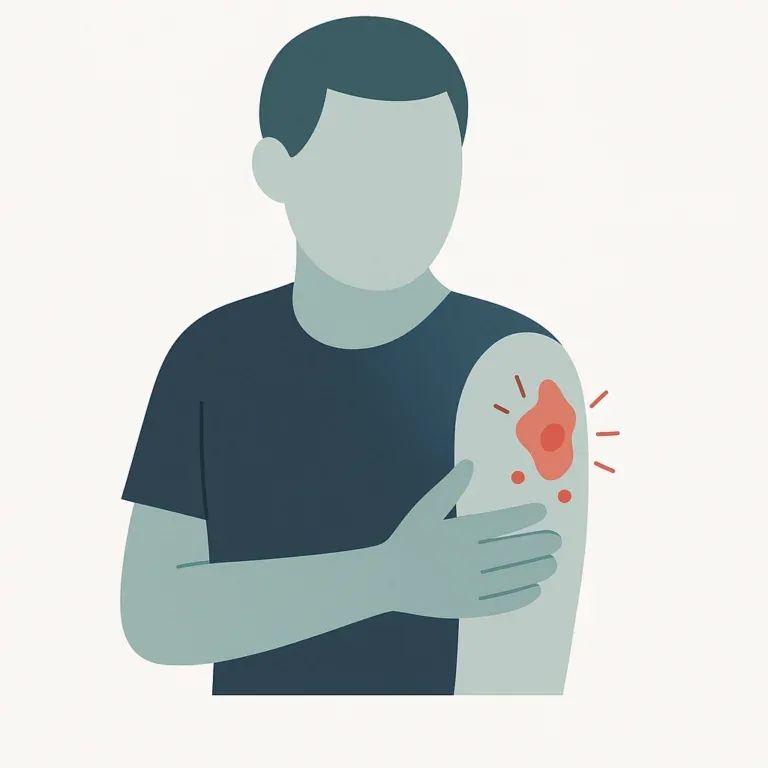
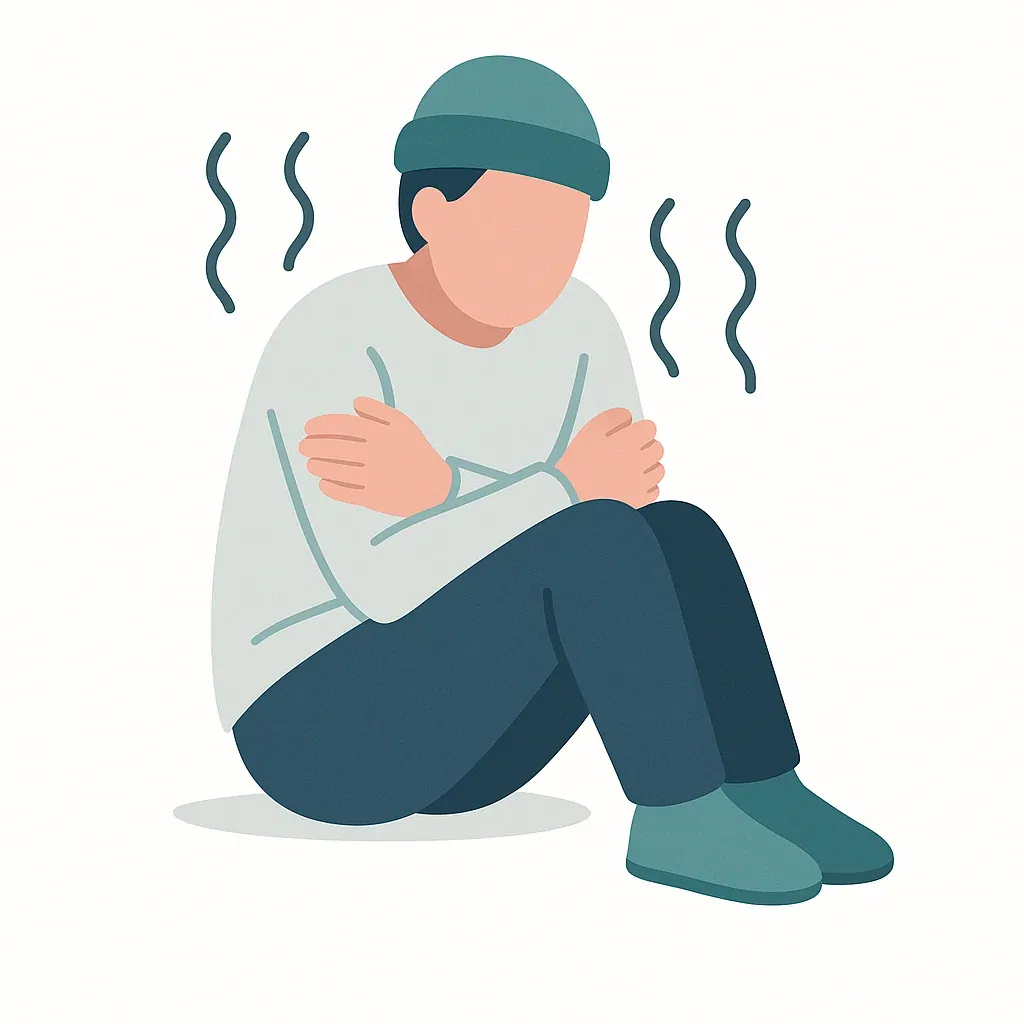

Hypothermia is a condition where the body becomes too cold and cannot keep itself warm. Normally, the body tries to stay at about 37 degrees Celsius. When it gets too cold for a long time, the body loses heat faster than it can make it. This can be very dangerous because the body needs to be warm to work properly. Hypothermia is important to know about in first aid because if someone gets very cold, their heart, brain, and other organs can stop working well.
Hypothermia usually happens when people are outside in cold weather or cold water for too long. It can also happen indoors if the heating is not working and people are not dressed warmly. Small children and older people get cold more easily because their bodies do not control temperature as well as younger adults. If clothing is wet, heat leaves the body faster, and this can cause hypothermia quicker.
When someone has hypothermia, they may feel very cold, shiver a lot, and feel tired or weak. Their skin might look pale or bluish, and they might move slowly or become confused. In more serious cases, the person might stop shivering, their speech may become slow or slurred, and they could lose consciousness. Their heart may beat slowly or unevenly. These signs are warning that the person is getting very sick and needs help quickly.
Why it matters in first aid
The first step in helping someone with hypothermia is to get them somewhere warm and dry. Moving the person out of the cold wind, rain, or snow can help stop the body from losing more heat. It is important to protect them from the cold ground by putting blankets, towels, or clothing under them. Cover the person with dry blankets or clothes, especially over their head, but not covering their face. If you have extra clothes, put them on the person, but be gentle because their body may be very weak.
If the person is awake and able to swallow, you can give them warm (not hot) drinks like water or juice. Avoid alcohol or caffeine because these can make the body lose more heat. Do not give them food if they are very sleepy or confused because they could choke.
Do not rub or massage the person’s skin or limbs. Rubbing can cause damage to cold skin and may make the problem worse. Also, it is important to handle the person carefully. Sudden movements can upset their heartbeat if the hypothermia is severe.
When to call 000
If the person’s breathing or heartbeat stops, start CPR if you know how. Call emergency services by dialling 000 as soon as possible. Tell the operator that the person may have hypothermia and give details about what happened. You can keep helping the person by making sure they stay warm and watching their breathing and responsiveness until help arrives.
Hypothermia can happen anywhere, not just in snowy places. Even cool or wet weather can cause it if people are outside for many hours without proper clothing or shelter. Water is especially dangerous because the body loses heat faster when wet. Falling into cold water or being caught in rain for a long time can lead to hypothermia quickly.
Some other medical problems or medicines can make hypothermia more likely. For example, people who have diabetes, heart problems, or take certain drugs may get cold easier. Alcohol is also a big risk because it can make people feel warm but actually causes the body to lose heat faster. This means someone drinking alcohol outside on a cold night is in danger of hypothermia without realizing it.
Preventing hypothermia is easier than treating it. Wearing the right clothes, such as layers of warm, dry clothing, is very important. Protect yourself from wind and rain by wearing a waterproof jacket and covering your head with a hat. If you plan to be outside in cold weather, take extra clothes and blankets just in case. If you are with someone who looks cold or tired, check on them often and encourage them to stay dry and warm.
When to call for help is very important. Call 000 immediately if someone:
- Is very cold and cannot get warm
- Stops shivering
- Is confused, very sleepy, or cannot answer questions
- Has slow or irregular heartbeat or breathing
- Is unconscious or not waking up
- These signs mean the person needs urgent medical care. Hypothermia can become life-threatening if it is not treated quickly.
Summary
First aid for hypothermia aims to stop the body from getting colder, keep the person warm and safe, and get expert help as soon as possible. Simple steps like moving the person to a warm place, taking off wet clothes, covering them with blankets, and calling 000 can save a life. It’s important to stay calm and gentle while helping, as sudden or rough moves may cause harm.
In summary, hypothermia happens when the body loses more heat than it makes, causing body temperature to drop dangerously low. It can happen in cold, wet, or windy conditions and affects how well the body works. Knowing how to recognise the signs and what to do can help you protect yourself and others. Always act quickly and call for emergency help if the person is very sick or not improving. Keeping warm and dry is the best way to avoid hypothermia altogether.
Sources reviewed
Reviewed against current Australian environmental, first aid and emergency guidance by the First Aid Glossary Editorial Team. This article is general information and does not replace emergency-operator directions, professional medical advice or hands-on first aid training.