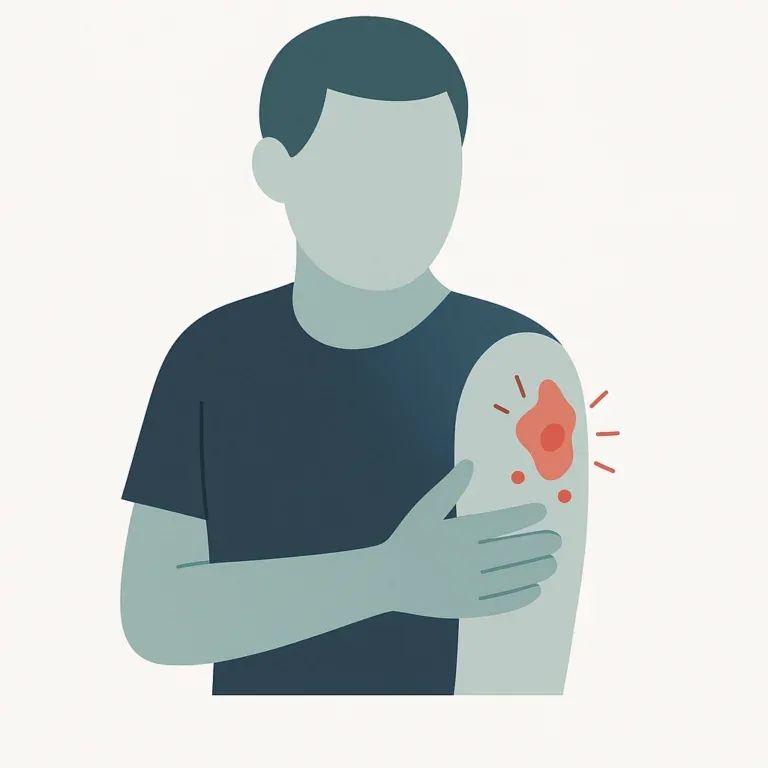


Bee and wasp stings usually cause sudden pain, redness, and swelling at the sting site. Most are mild, but some can trigger a large local reaction or a severe allergic reaction. In first aid, the priority is recognising when the sting is becoming an emergency and acting quickly.
What are bee and wasp stings?
Bee and wasp stings happen when the insect injects venom into the skin. This usually causes immediate sharp pain followed by redness, swelling, or itch.
This page focuses on one specific type of sting. If you want the broader overview, read Insect Bites and Stings.
Most stings improve with simple first aid, but some can lead to a more serious Allergic Reaction or Anaphylaxis.
What symptoms can happen after a sting?
Common mild symptoms include:
- sudden sharp pain
- redness
- swelling
- itch
Some people get a large local reaction, where the swelling spreads well beyond the sting itself.
Severe symptoms can include:
- trouble breathing
- wheeze or persistent cough
- swelling of the tongue or throat
- dizziness or collapse
- becoming Unresponsive
What should you do in first aid?
If someone is stung by a bee or wasp:
- Move them away from the insect if it is still nearby.
- If it is a bee sting and the stinger is visible, scrape it out quickly with a fingernail or the edge of a card.
- Wash the area with soap and water.
- Apply a cold pack wrapped in cloth to help reduce pain and swelling.
- Watch closely for worsening swelling or signs of a serious allergic reaction.
If itching or local swelling is the main problem, doctor- or pharmacist-recommended Antihistamines may sometimes help.
When is it an emergency?
Treat it as an emergency if the person:
- has trouble breathing
- has swelling of the tongue or throat
- becomes dizzy or collapses
- has a known severe sting allergy
- is stung inside the mouth, throat, or eye area
If severe allergy symptoms appear, use an Adrenaline Auto-Injector immediately if one is available. If you know the brand, follow the correct steps for EpiPen or Anapen. Then call 000.
If the person is not breathing normally, start CPR.
How is this page different from other sting pages?
This page focuses on bee and wasp stings as the trigger.
- Insect Bites and Stings is the broader overview page
- Ant Stings and Bites covers another common Australian sting trigger
- Allergic Reaction explains the broader meaning of allergy reactions
- Anaphylaxis explains the severe life-threatening emergency pathway
Summary
Bee and wasp stings usually cause local pain, redness, and swelling, but they can sometimes lead to a serious allergic reaction. In first aid, remove a visible bee stinger quickly, cool the area, watch for worsening symptoms, and treat breathing trouble, throat swelling, or collapse as an emergency.
Sources reviewed
Reviewed against Australian first aid and emergency guidance by the First Aid Glossary Editorial Team. This article is general information and does not replace emergency-operator directions, professional medical advice or hands-on first aid training.