Transient Ischaemic Attack (TIA)

A transient ischaemic attack, or TIA, is a temporary stroke-like event that needs urgent medical assessment. Learn the signs and what to do.

This section covers medical emergencies and health conditions that may require first aid awareness, such as asthma, seizures, stroke, shock, allergic reactions, and diabetic events. Terms focus on what the condition is and how it is described in emergency or first aid settings.
A transient ischaemic attack, or TIA, is a temporary stroke-like event that needs urgent medical assessment. Learn the signs and what to do.
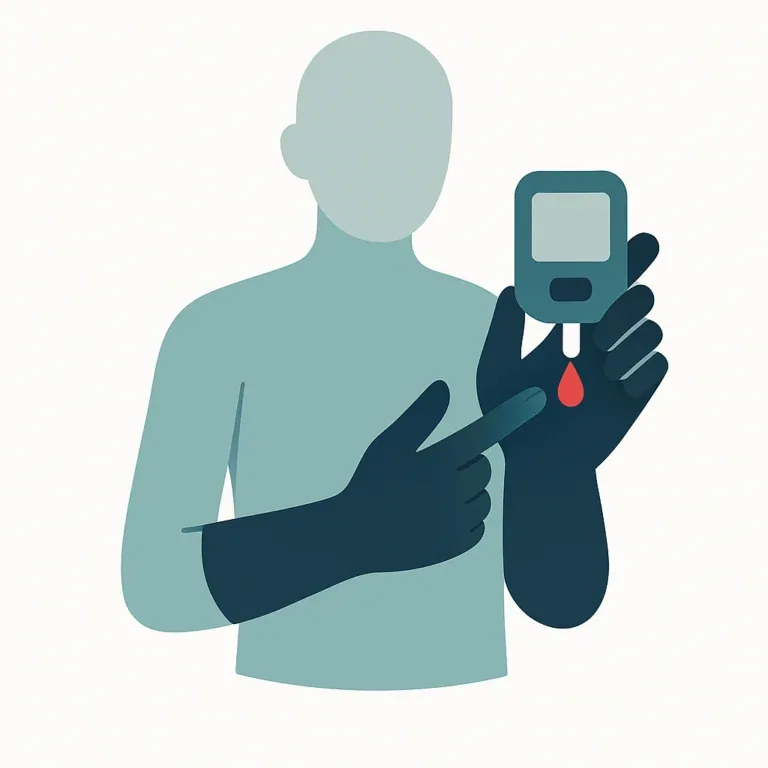
Diabetes affects how your body uses sugar for energy, and understanding this condition is key to staying calm and providing the right help during a diabetes emergency when blood sugar levels go too high or too low.

Dizziness can mean feeling faint, lightheaded, unsteady, or off balance. Learn what it means, what can cause it, and when to get urgent help.

Fainting is a brief loss of consciousness caused by a temporary drop in blood flow to the brain. Learn common triggers, warning signs, and what to do first.
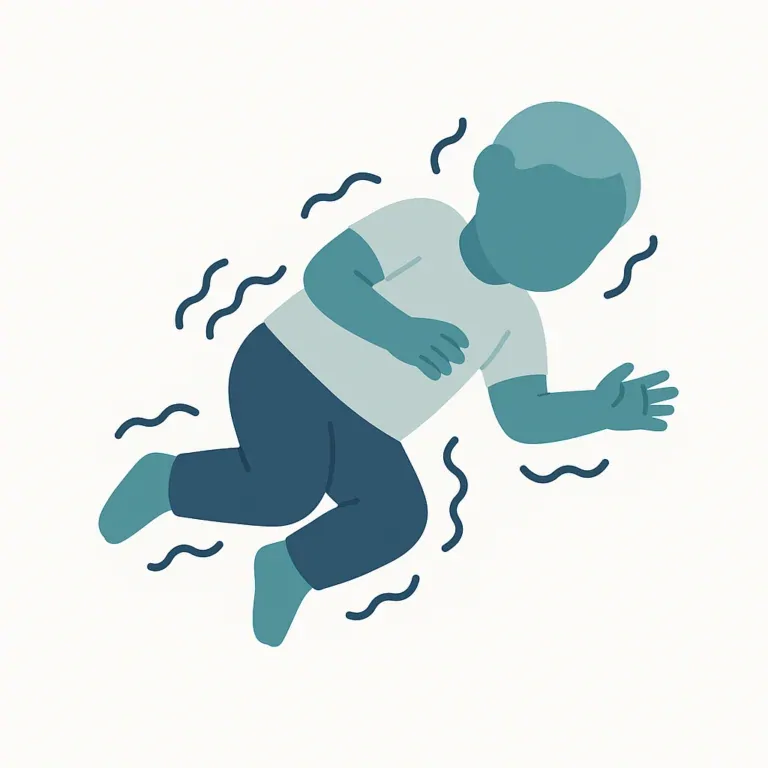
A febrile convulsion can be a frightening experience when a young child suddenly has a seizure triggered by a high fever, but understanding what it is and how to respond can help you stay calm and provide the right care.
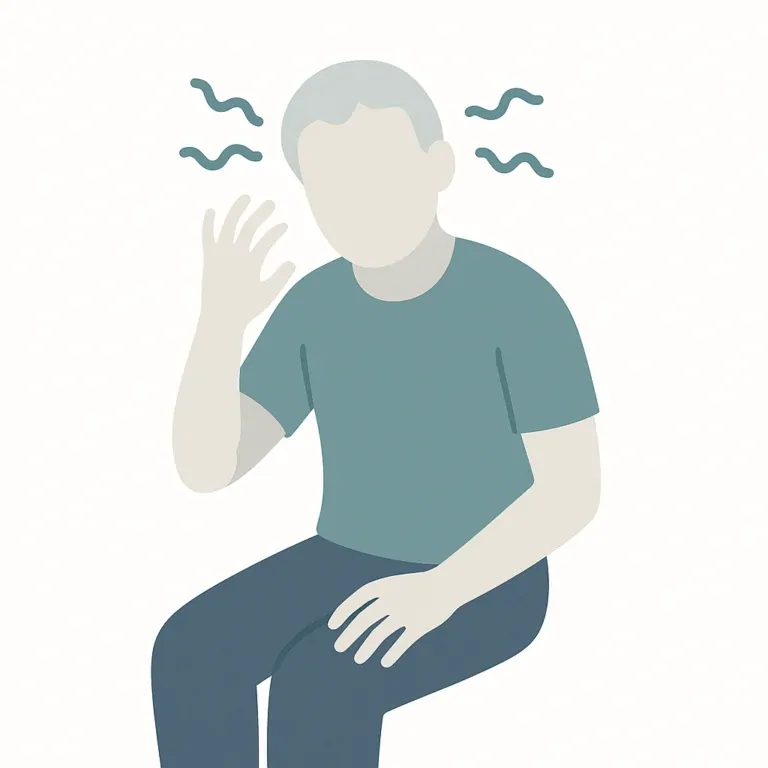
Complex partial seizures cause brief changes in awareness or behavior that can be confusing to witness, but knowing how to recognize and respond to them can help keep someone safe until the seizure passes. These seizures affect only part of the brain, often causing unusual movements or a blank stare without full loss of consciousness.

An epileptic seizure is a sudden burst of unusual electrical activity in the brain that can cause a person to lose control or behave strangely. Knowing what to expect and how to help during an epileptic seizure can make all the difference in keeping someone safe and calm.
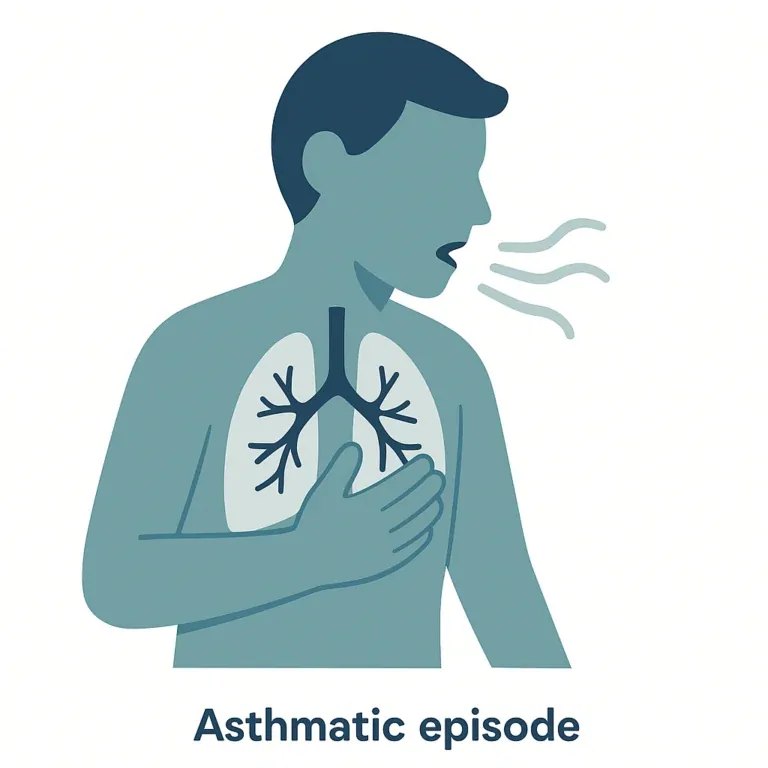
Asthmatic episode is another term for an asthma flare-up. For the main practical first aid response page, see Asthma Attack.

Epinephrine is a life-saving medicine used to treat anaphylaxis. In Australia it is commonly called adrenaline and is usually given with an auto-injector such as an EpiPen or Anapen.
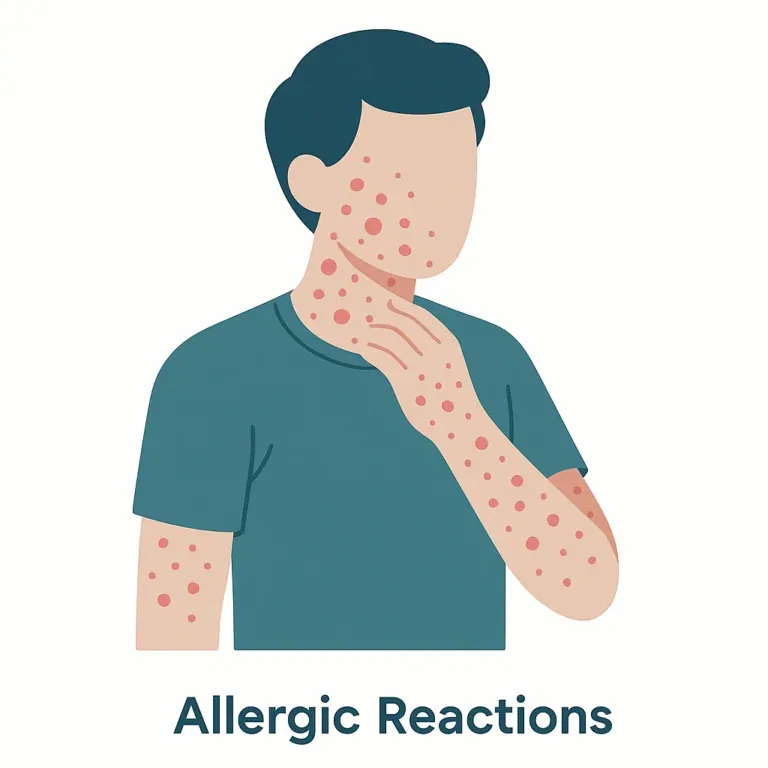
Learn the common signs of allergic reactions, from mild skin symptoms to serious breathing problems, and when a prescribed adrenaline auto-injector may be needed.