
Chest thrusts are a first aid technique used to help someone who is choking and cannot breathe or cough properly because something is blocking their airway. They are a way to push air out of the lungs quickly to try and force the object blocking the throat or windpipe to come out. Chest thrusts can save a person’s life by opening their airway so they can breathe again.
When a person chokes, their airway—the tube that carries air to the lungs—gets blocked by food, a small toy, or other objects. If the object is stuck and stops air from moving in and out, the person may struggle to breathe, cough, make high-pitched noises, or even lose consciousness. They need help quickly because without air, the body, especially the brain, cannot get enough oxygen.
Why it matters in first aid
Chest thrusts are an important first aid action for choking, especially for babies, young children, or adults who cannot cough out the object and cannot breathe. They work by pressing in and up on the middle of the chest to squeeze the lungs. This forces air out with pressure, which can push the choking object out of the airway.
Knowing about chest thrusts can help you stay calm and confident if someone near you starts choking. It is a simple and effective tool to help in emergencies when a person’s airway is blocked, and normal breathing is stopped.
Understanding what happens when someone chokes helps explain why chest thrusts are useful. When we breathe normally, air passes through the nose or mouth, down the throat, and into the windpipe (also called the trachea) before it reaches the lungs. The windpipe is like a tube carrying fresh air into the body. If something gets stuck in this tube, it blocks the flow of air.
Sometimes, a person tries to cough up the object, which is the body’s natural way to clear the airway. But if the object is tightly stuck, coughing might not work. When choking is severe, chest thrusts can help by quickly pushing air from the lungs outward, which can push the object out of the windpipe or throat.
You might wonder how chest thrusts are different from other actions like back blows or abdominal thrusts (sometimes called the Heimlich maneuver). Back blows involve hitting between the shoulder blades to help loosen the object. Abdominal thrusts involve pressing the upper belly to squeeze air out of the lungs.
Chest thrusts are often used for people who cannot receive abdominal thrusts safely. This can include pregnant women, very overweight people, or infants. For example, if a person is too pregnant or overweight, pressing on their belly can cause harm. In these cases, chest thrusts offer a safer way to help clear their airway.
If you see someone choking, there are some key signs to watch for. They might cough weakly or not cough at all. They may clutch their throat, turn red or blue in the face, struggle to speak, or show signs of panicking. If they can breathe or cough strongly, encourage them to keep coughing to try to clear the blockage. Do not perform chest thrusts unless the person is seriously choking and cannot breathe or speak.
If the person cannot breathe, is losing consciousness, or is unable to cough, chest thrusts are part of the first aid help you can give. Before doing chest thrusts, it is important to stay calm and act quickly. Time is very important in choking emergencies because the person needs air to live.
When to call 000
You should always call for emergency help in serious choking situations. In Australia, dial 000 to get fire, ambulance, or police services. If you are alone and the person is unconscious because of choking, call 000 first before beginning any first aid. If there are others, ask someone else to call 000 while you help the person.
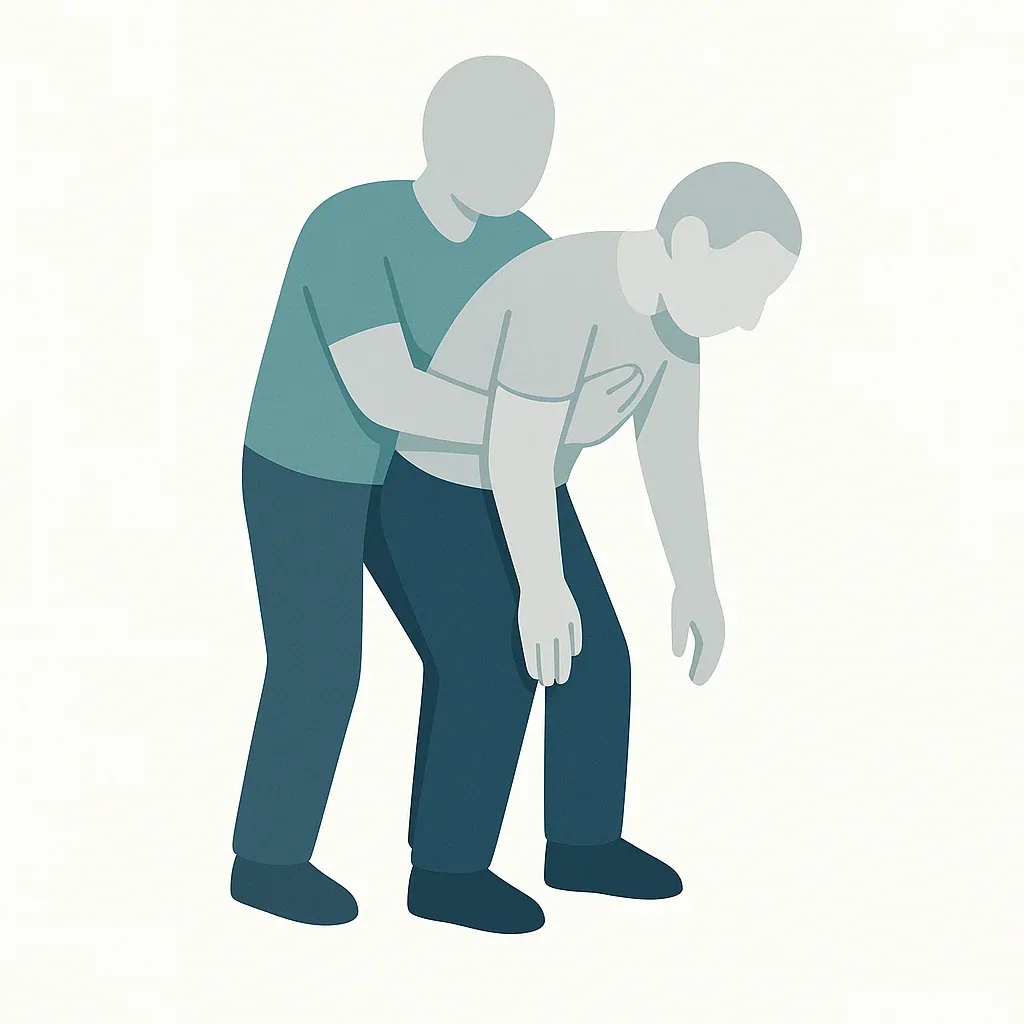
Chest thrusts should be done carefully. The general idea is to use your hands to gently but firmly press on the person’s breastbone in the center of the chest, pushing inward and upward. This quick push forces air out of the lungs, which can help push the blocking object out of the airway.
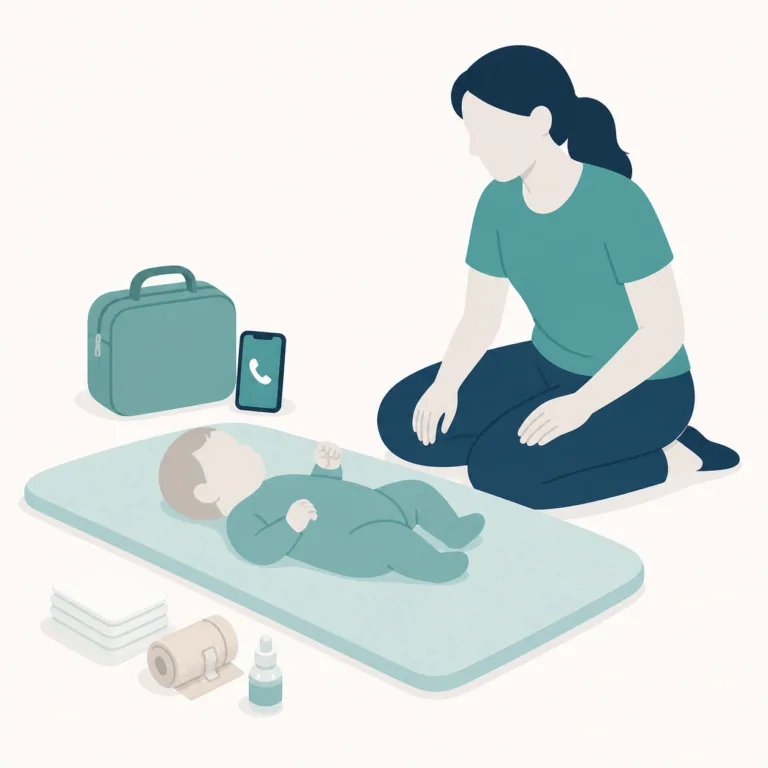
If the person is an adult or child, chest thrusts can be done if back blows or abdominal thrusts are not suitable or do not work. For babies under one year old, a different approach is generally used because their bodies are small and delicate. Chest thrusts for babies use less force and are given differently.
It is very important not to use too much force when giving chest thrusts. Press too hard, and you might hurt the person. Press too softly, and you may not clear the blockage. If you have not been trained, try to follow basic guidance calmly, and try to get professional help quickly.
While waiting for emergency services to arrive, keep checking if the person can breathe or cough. If they become unconscious, follow the advice of emergency operators and give the person appropriate aid while waiting.
Always make sure the area around the choking person is safe for both of you. If you need to move them, do so gently. Be careful not to cause injury while helping.
In summary, chest thrusts are an important first aid step when someone is choking and cannot breathe. They help by pushing air out of the lungs fast enough to remove blockage from the windpipe. Recognising choking early and knowing when to use chest thrusts can save lives.
Summary
Remember to call 000 in any serious choking emergency. While chest thrusts can help, getting professional medical help is always needed as soon as possible.
Being prepared to help means you understand the signs of choking, how chest thrusts work, and when to use them safely. Your calm action might be the difference between life and death.
Sources reviewed
- Healthdirect: choking first aid
- ANZCOR Guideline 4: Airway
- Triple Zero: official emergency calling guidance
Reviewed against Australian first aid and emergency guidance by the First Aid Glossary Editorial Team. This article is general information and does not replace emergency-operator directions, professional medical advice or hands-on first aid training.