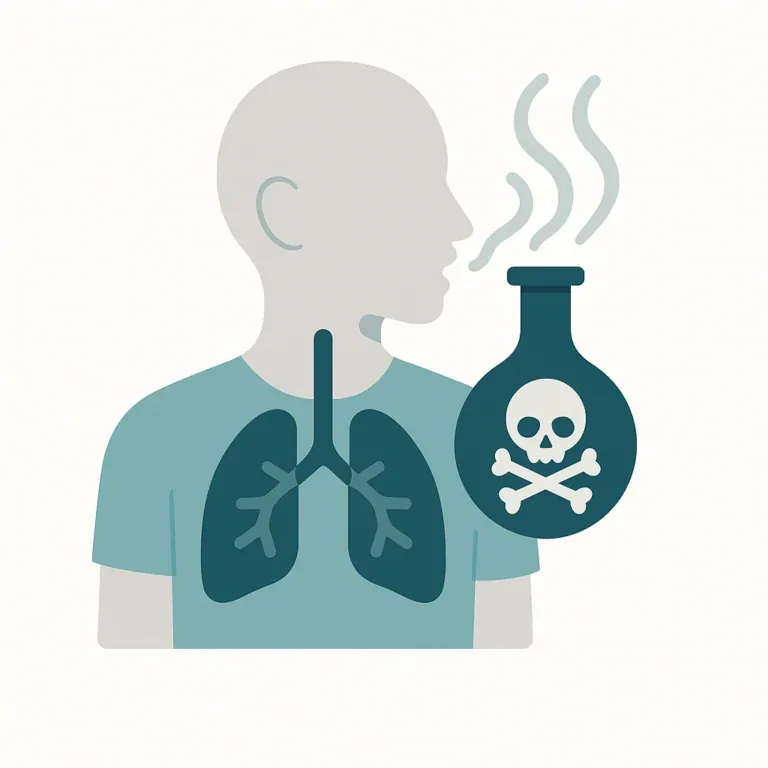
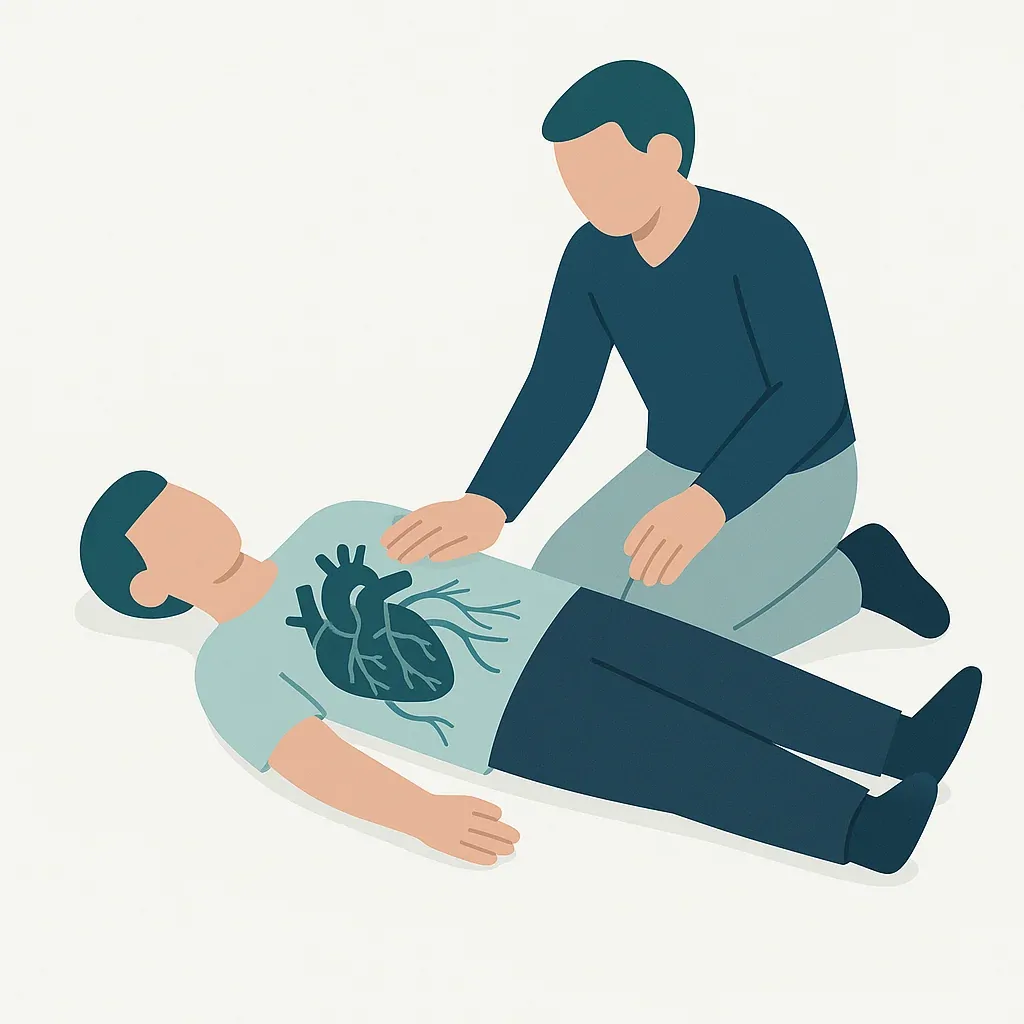

Circulatory collapse is a term used for dangerously weak blood flow. In plain English, it means the body is not circulating enough blood to keep the brain and other vital organs working properly.
What does circulatory collapse mean?
Circulatory collapse happens when blood flow becomes too weak to support the body’s essential organs. A person may become pale, weak, dizzy, confused, or collapse because the brain and body are not getting enough oxygen-rich blood.
Is it different from shock?
Not in the way most readers need for first aid.
For practical first aid purposes, the main term to understand is Shock. That is the broader and more useful page for recognising the emergency, understanding common causes, and knowing the first aid response.
What signs may suggest circulatory collapse?
Signs can include:
- pale, cold, or clammy skin
- dizziness or faintness
- weakness
- confusion
- fast, weak breathing
- collapse or becoming Unresponsive
These signs may also be described as shock and need urgent medical attention.
What should you do?
If you think someone has circulatory collapse or shock:
- Follow DRSABCD or a quick Primary Survey.
- Call
000immediately. - Help the person lie down if it is safe to do so.
- Keep them warm and monitor their breathing and responsiveness.
- Control major bleeding if present.
For the main plain-English first aid explanation, read Shock.
Summary
Circulatory collapse is a term for dangerously weak blood flow. In first aid, the main page to understand is Shock, because that is the clearer and more useful emergency term for most readers.
Sources reviewed
- Healthdirect: collapsing
- Healthdirect: circulatory system and blood pressure
- Triple Zero: official emergency calling guidance
Reviewed against current Australian cardiac, first aid and emergency guidance by the First Aid Glossary Editorial Team. This article is general information and does not replace emergency-operator directions, professional medical advice or hands-on first aid training.