

- What Is a Drug Overdose?
- Why Is Drug Overdose Important in First Aid?
- Signs and Symptoms of a Drug Overdose
- What to Do if You Suspect a Drug Overdose
- How Emergency Services Help with Drug Overdose
- General Safety Around Drugs and Medicines
- When to Call Emergency Services
- Preventing Drug Overdose
- Summary
- Sources reviewed
A drug overdose happens when a person takes too much of a medicine or another substance that affects the body. This can be on purpose or by accident. The amount taken is more than what the body can handle safely. When this happens, it can cause serious problems or even be life-threatening. Knowing about drug overdose is important for keeping people safe and helping them when they need it.
What Is a Drug Overdose?
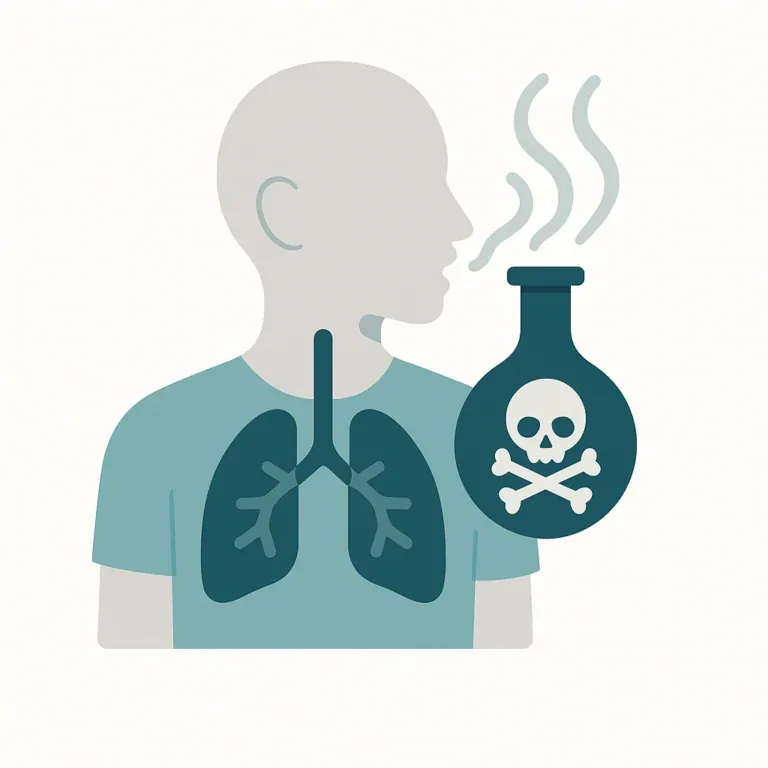
A drug overdose means that someone has taken too much of a drug. This can be a medicine a doctor gives you, or it can be other substances like illegal drugs or alcohol. When there is too much of the drug in the body, it can make the person very sick. The body struggles to cope, and important parts like the brain, heart, or lungs might not work properly.
The body breaks down drugs to clear them out, but too much can overload this system. Sometimes the overdose happens quickly, and other times it builds up slowly over time. Even medicines bought from a pharmacy can be dangerous if taken in the wrong amount.
Why Is Drug Overdose Important in First Aid?
Drug overdoses can be emergencies. If someone overdoses, they might lose control of their body or stop breathing. They could become unconscious or confused, and they might even die without help. First aid is about giving the right care until medical help arrives. Knowing the signs of an overdose and what to do can save lives.
When you see someone who might have overdosed, it is very important to act quickly but safely. Calling for emergency services is often needed because the person may need special medical treatment to help their body recover.
Signs and Symptoms of a Drug Overdose
People react differently to an overdose depending on the drug taken and how much was used. Some common signs you might see include:
- Feeling very sleepy or unconscious and difficult to wake up.
- Breathing that is slow, weak, or has stopped.
- Confusion, strange behaviour, or talking nonsense.
- Vomiting or having seizures (shaking or twitching wildly).
- Pale, clammy skin or unusual skin colour.
- Very small or very large pupils (the black part of the eye).
- Chest pain or heart beating very fast or very slow.
- Weakness or inability to move properly.
- These signs can happen quickly or over several hours. Sometimes the person may complain of feeling sick or dizzy first.
What to Do if You Suspect a Drug Overdose
Always think about your own safety first. If the situation feels unsafe, keep away and call for help.
If you think someone has taken too much of a drug:
- Try to stay calm. Speak gently to the person if they are awake.
- Check if the person is breathing and responsive. You can try gently shaking their shoulder and calling their name.
- If they are not breathing or not responding, call emergency services on 000 immediately.
If the person is breathing but unconscious, place them in the recovery position. This means laying them on their side to keep their airway clear and prevent choking.
Do not give the person anything to eat or drink unless a health professional tells you to.
Do not try to make them vomit. This can sometimes do more harm than good.
If you can, try to find out what they took and how much. This information is very helpful for the ambulance officers or doctors.
Stay with the person until help arrives. Keep an eye on their breathing and pulse.
How Emergency Services Help with Drug Overdose
When you call 000, the operator will ask questions to understand the situation. They will send paramedics quickly if needed. Emergency workers can give special medicines and care to help the person’s body recover.
In hospital, doctors may use treatments to stop the effects of some drugs, clean the stomach contents, or support breathing and organs. This is why it is very important to get professional help as soon as possible.
General Safety Around Drugs and Medicines
Always take medicines exactly as directed by a doctor or pharmacist. Never take more than the recommended dose.
Keep medicines out of reach of children to prevent accidental overdose.
Do not share prescription medicines with others, even if they feel the same as you.
Avoid mixing medicines with alcohol or other drugs unless a doctor says it is safe.
If you have questions about medicines, always ask a healthcare worker for advice.
When to Call Emergency Services
Call 000 straight away if:
- The person has stopped breathing or is not breathing normally.
- They are unconscious and cannot be woken up.
- They have seizures that last more than a few minutes.
- They are choking or have trouble breathing.
- They have chest pain that does not go away.
- They look very sick or something does not feel right.
Even if you are not sure, it is better to call for help. Emergency workers are trained to help in these situations. They can give advice over the phone while help is on the way.
Preventing Drug Overdose
Many drug overdoses can be prevented by using medicines safely and asking for support if there are problems with drugs. Talking to a doctor or counsellor can help if someone is feeling unwell or struggling.
If you know someone who might be at risk of overdose, encourage them to get help and to use medicines properly.
Remember that overdose can happen to anyone. It is not a reason to be embarrassed or afraid. Getting help quickly saves lives.
Summary
A drug overdose is when a person takes too much medicine or other substances and becomes very sick. It is a serious emergency that needs quick action. Watch for signs like trouble breathing, unconsciousness, or strange behaviour. Call 000 if you think someone may have overdosed. Keep the person safe and stay with them until help arrives. Use medicines carefully and ask for help if you need it. Knowing about drug overdose can help you protect people and save lives.
Sources reviewed
Reviewed against Australian first aid and emergency guidance by the First Aid Glossary Editorial Team. This article is general information and does not replace emergency-operator directions, professional medical advice or hands-on first aid training.