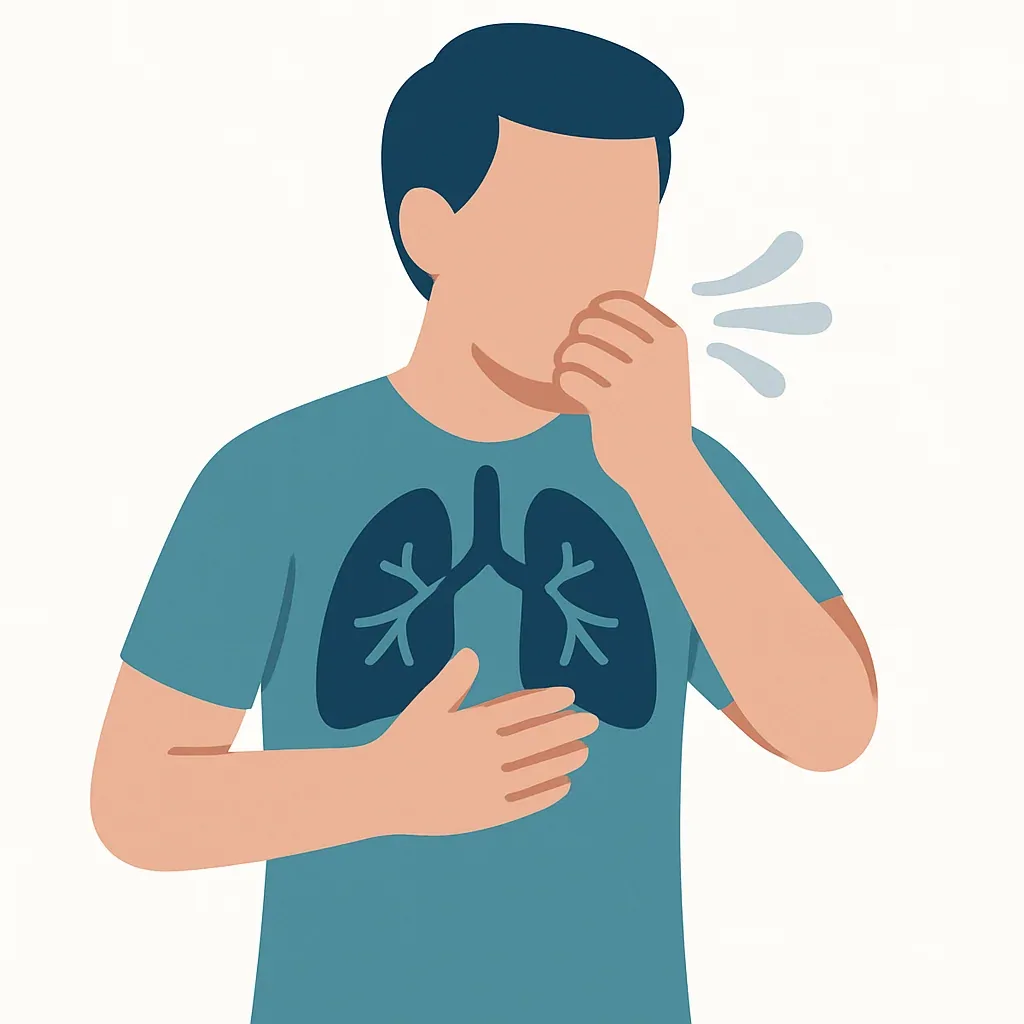

Ineffective breathing means a person is still breathing, but not well enough to get enough air into the lungs. In first aid, this is dangerous because breathing may still be happening while oxygen levels are dropping.
What does ineffective breathing mean?
The person is not breathing normally or effectively enough to support the body.
Breathing may be:
- too shallow
- too slow
- too fast
- weak
- noisy
- irregular
This can quickly become a medical emergency.
What are the signs of ineffective breathing?
Signs can include:
- shallow breaths
- obvious breathing effort
- gasping or noisy breathing
- Wheezing
- blue or pale lips
- reduced alertness
- difficulty speaking
- chest movement that looks weak or abnormal
What should you do in first aid?
- Call
000or get someone else to call. - Help the person sit upright if they are conscious and breathing.
- Keep them calm and watch their breathing closely.
- Look for signs that breathing is worsening or stopping.
- Treat it as urgent even if the person is still awake.
When is it an emergency?
Treat ineffective breathing as an emergency, especially if the person:
- is getting more tired
- is turning blue
- cannot speak properly
- becomes confused
- has a blocked airway
- may be moving toward Respiratory Failure
If the person becomes Unresponsive and is not breathing normally, start CPR.
How is it different from respiratory distress or respiratory failure?
Respiratory Distress is the broader pattern of obvious breathing struggle.
Ineffective breathing focuses on the fact that the breaths themselves are not working well enough.
Respiratory Failure is a more severe stage where the lungs are no longer doing their job well enough to keep oxygen and carbon dioxide at safe levels.
Quick answer
Ineffective breathing means a person is breathing, but not well enough to get enough air. Call 000, watch closely for worsening breathing, and start CPR if the person becomes unresponsive and is not breathing normally.
Sources reviewed
Reviewed against current Australian respiratory, first aid and emergency guidance by the First Aid Glossary Editorial Team. This article is general information and does not replace emergency-operator directions, professional medical advice or hands-on first aid training.