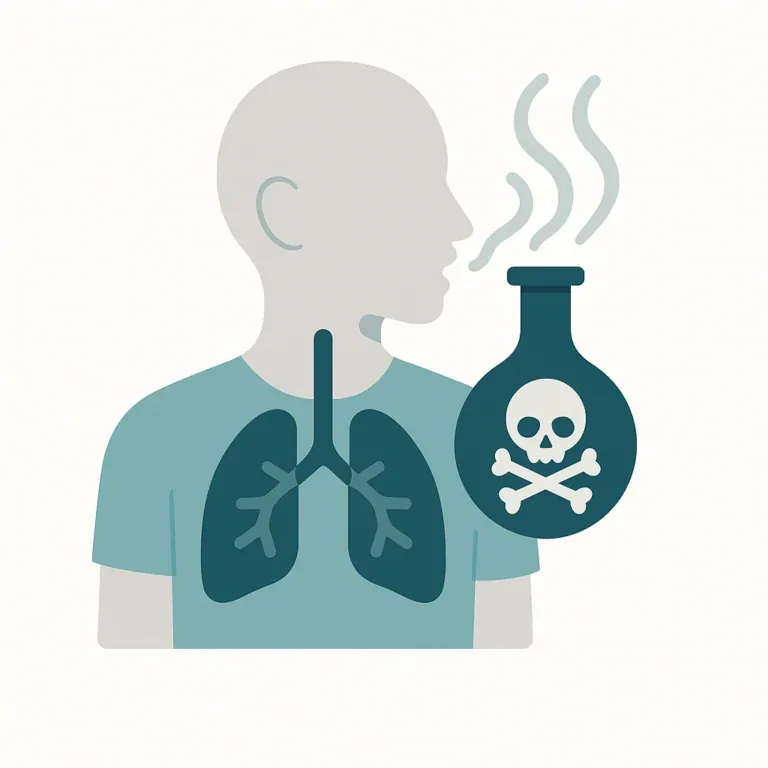
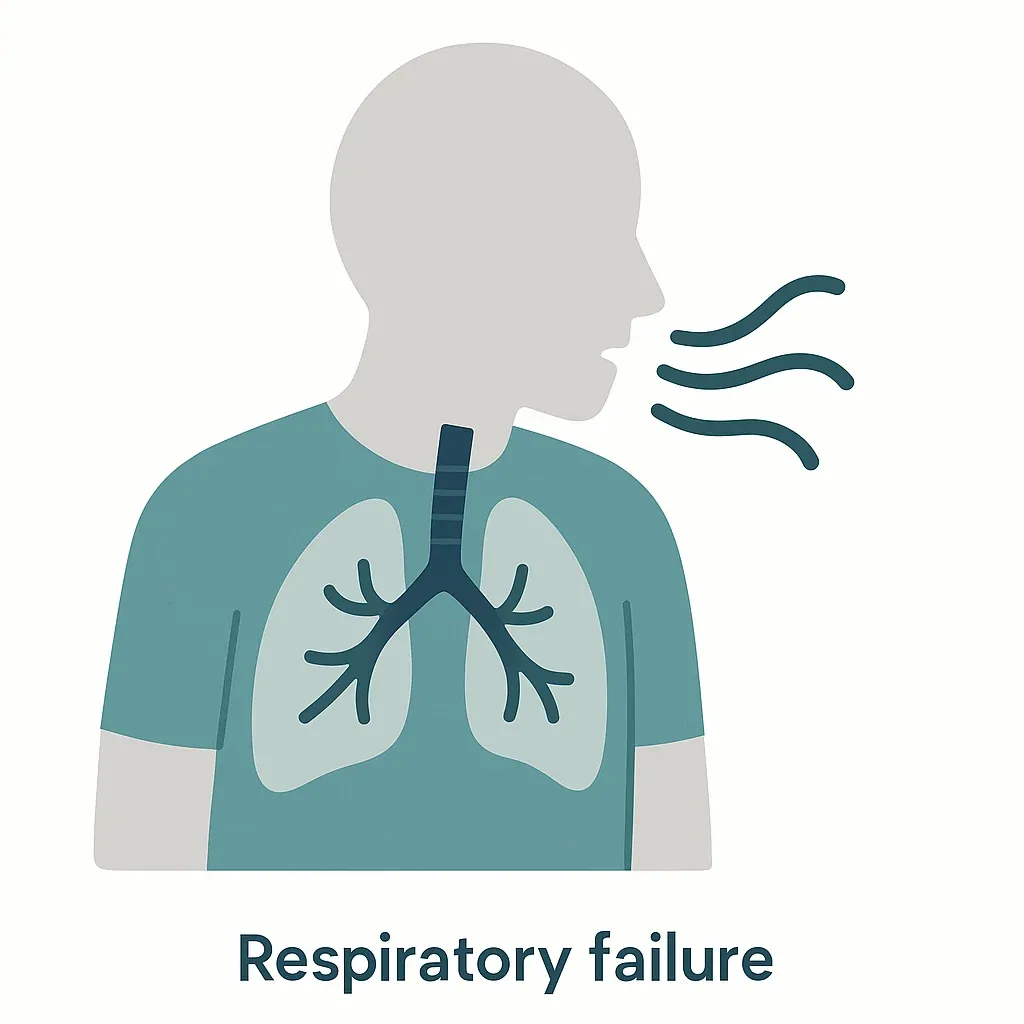

Respiratory failure means the lungs are no longer doing their job well enough to keep oxygen and carbon dioxide at safe levels. In first aid, this is a life-threatening breathing emergency that needs urgent medical help.
What does respiratory failure mean?
Normally, the lungs bring oxygen into the body and remove carbon dioxide.
In respiratory failure, that process is failing badly enough that the person may become critically unwell.
This can happen because:
- oxygen levels are falling
- carbon dioxide levels are rising
- or both
What are the signs of respiratory failure?
Signs can include:
- severe breathing difficulty
- very weak or abnormal breathing
- blue lips or skin
- confusion
- drowsiness
- exhaustion
- worsening Respiratory Distress
By this stage, the person may not be able to keep up with the work of breathing much longer.
What should you do in first aid?
- Call
000immediately. - Keep the person upright if they are conscious and breathing.
- Stay with them and watch for collapse or reduced responsiveness.
- Be ready to act if breathing stops.
This is not a watch-and-wait situation.
How is it different from ineffective breathing or respiratory arrest?
Ineffective Breathing means the breaths are not working well enough.
Respiratory failure is the more severe stage where the lungs are no longer keeping oxygen and carbon dioxide in safe balance.
Respiratory Arrest means breathing has stopped.
When should you start CPR?
If the person becomes Unresponsive and is not breathing normally, start CPR straight away.
Quick answer
Respiratory failure means the lungs are failing to move enough oxygen in or carbon dioxide out. It is a life-threatening emergency. Call 000 immediately and be ready to start CPR if the person stops breathing normally.
Sources reviewed
- ANZCOR Guideline 5: Breathing
- Healthdirect: respiratory system and urgent breathing symptoms
- Triple Zero: official emergency calling guidance
Reviewed against current Australian respiratory, first aid and emergency guidance by the First Aid Glossary Editorial Team. This article is general information and does not replace emergency-operator directions, professional medical advice or hands-on first aid training.