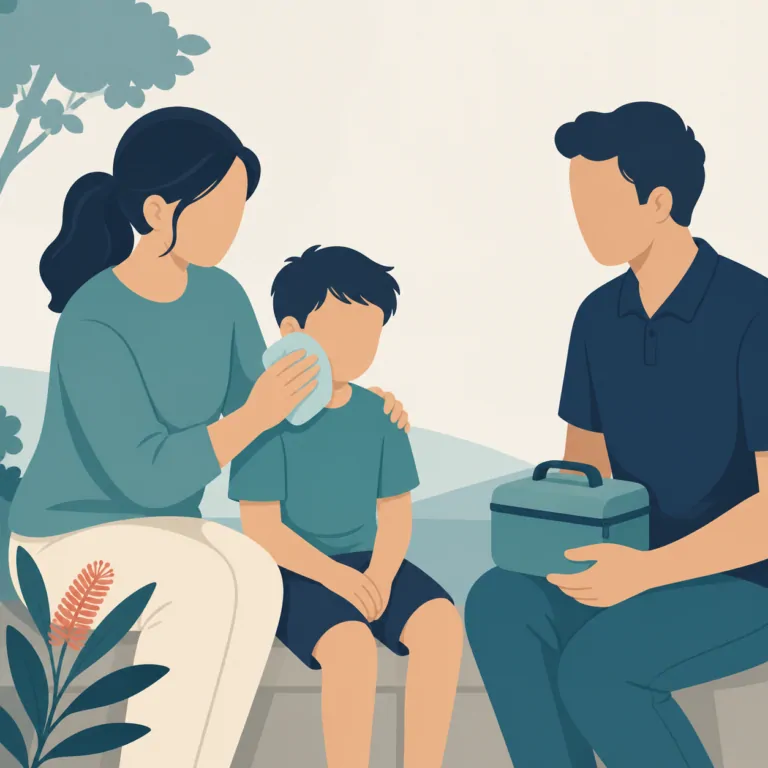
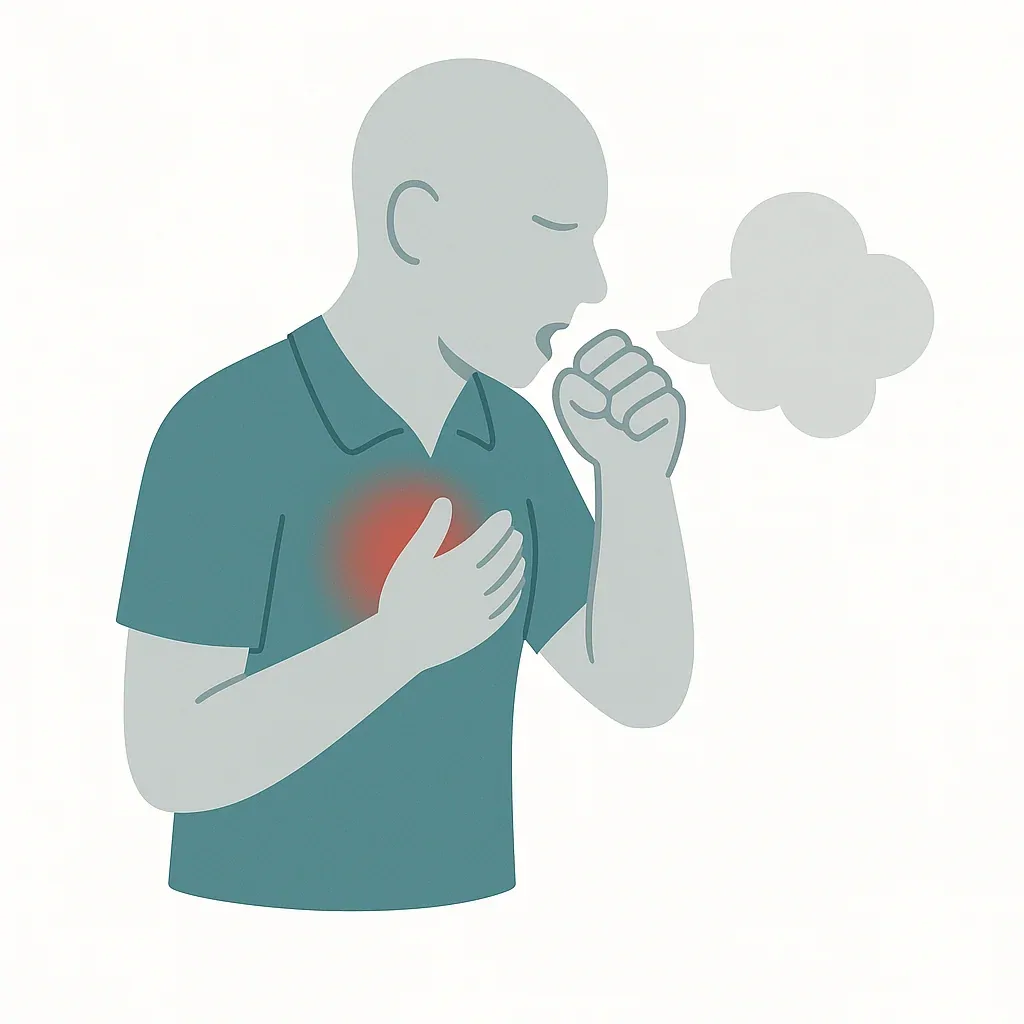

Inhalation injury means damage to the lungs and airways caused by breathing in harmful smoke, chemicals, or hot air. This can happen during a fire, chemical spill, or when someone breathes in poisonous gases. The air we breathe is supposed to be clean and healthy, but inhaling bad substances can hurt the parts inside our chest that help us breathe.
In first aid, understanding inhalation injury is very important because it can make it hard for a person to breathe properly. If someone has inhaled smoke or chemicals, their breathing tubes can swell up, get clogged, or become inflamed. This can stop enough air from reaching their lungs and cause serious health problems, even if their body looks okay on the outside.
What Happens in the Body
Our airways start at the nose and mouth and go down to the lungs, which are like big balloons inside the chest. These airways carry oxygen from the air to the lungs so the body can get the fresh air it needs. Inhalation injury can hurt the lining of these airways and the lungs, making it hard to breathe.
Heat from fire or hot gases can burn the throat and breathing tubes. Smoke has tiny particles that can irritate or damage the lungs. Chemicals might burn or poison the inside of the airways. The body may react by swelling inside the airways, creating mucus, or causing coughing and wheezing. This swelling and irritation can block the airways and stop air flow.
Signs Someone Might Have an Inhalation Injury
A person who has inhaled harmful smoke or chemicals may show various signs that can suggest inhalation injury. They may have soot or black marks around their mouth or nose. Their skin or lips might be pale, blue or grey, which means the body is not getting enough oxygen.
They may cough a lot, sometimes coughing up black or dark spit. They may have trouble breathing, noisy breathing (wheezing or stridor, which is a high-pitched sound), or fast breathing. Their voice may sound hoarse or the person might be unable to speak clearly. Their nose or throat might feel very sore or burned.
Sometimes people feel dizzy, confused, or very tired. They may have burns on their face, especially around the nose, mouth, or eyes, which can be signs of a bigger problem inside.
Why it is Important to Act Quickly
Inhalation injury can become serious very fast. The airways can swell more and more, making it harder to breathe. Without enough air, the body cannot get the oxygen it needs. Oxygen is important for the brain and other organs to work properly.
If someone’s breathing gets worse, they might stop breathing altogether. They can lose consciousness or even die if help is not given quickly. Getting medical help fast is really important for anyone who might have inhaled harmful smoke or chemicals.
How First Aid Helps
First aid for inhalation injury focuses on helping the person breathe and keeping them as comfortable as possible while waiting for emergency medical workers to arrive. The main goal is to make sure the person’s airway stays open so air can move in and out.
Keep the person calm and still as much as possible. Let them sit up if it is easier for them to breathe that way, unless they are injured in other ways that require them to lie down. Do not give them anything to drink or eat because they might need special treatment at the hospital.
If the person is coughing, encourage them to keep coughing to clear soot or mucus from the lungs. But if coughing is weak or stops, or if the person is struggling to breathe, this is very serious.
Make sure the person is kept away from the dangerous area where smoke or chemicals are still present. Do not put yourself in danger trying to help.
When to Call Emergency Services
If you think someone has inhalation injury, call emergency services straight away by dialing 000 in Australia. This is especially important if the person:
- Has difficulty breathing or is breathing very fast or very slowly
- Has noisy breathing like wheezing or a high-pitched sound
- Has a change in skin colour (blue, grey, very pale)
- Is coughing up black or bloody spit
- Is confused, drowsy, or losing consciousness
- Has burns on the face or neck
- Has breathed in smoke from a fire or chemicals
Calling for help quickly means that trained medical teams can get there soon with the right equipment. Hospitals can support the person with oxygen, breathing machines, and special treatments to help the lungs heal.
Important Safety Tips
Never enter a fire or smoke-filled building to rescue someone unless you are sure it is safe to do so. Smoke and gases can harm you as well.
If you see a chemical spill, keep a safe distance and do not touch or breathe in the fumes.
If you are with someone who has breathed in smoke or chemicals, take them outside to fresh air as soon as possible if it is safe.
Keep yourself safe first, and call emergency services for expert help.
Summary
Inhalation injury is damage to the lungs and airways from breathing in smoke, hot air, or chemicals. It can cause serious problems with breathing and needs quick attention. Recognising signs like coughing, trouble breathing, noisy breathing, and soot around the mouth can help you know if someone is hurt.
Providing calm, careful first aid and calling 000 quickly can save lives. Always protect yourself and others by moving away from danger and getting professional help right away. Understanding inhalation injury helps everyone stay safe and help others in emergencies.
Sources reviewed
- Healthdirect: respiratory system and urgent breathing symptoms
- Triple Zero: official emergency calling guidance
Reviewed against current Australian respiratory, first aid and emergency guidance by the First Aid Glossary Editorial Team. This article is general information and does not replace emergency-operator directions, professional medical advice or hands-on first aid training.