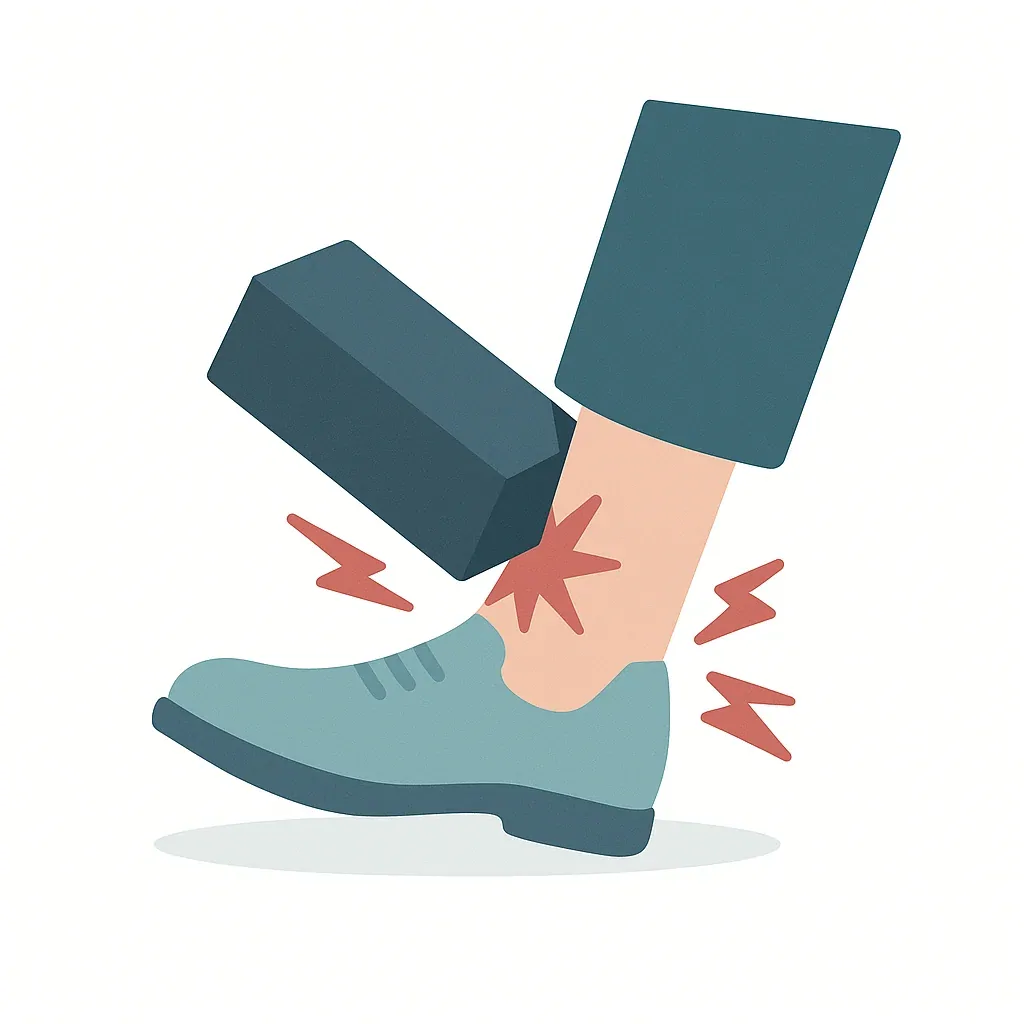

A crush injury happens when a part of the body gets squeezed or pressed between two hard objects for some time. This pressure damages the skin, muscles, bones, and sometimes internal organs. The injury can be serious because it not only hurts the part of the body that is trapped but can also cause problems with blood flow and other parts of the body.
In first aid, understanding crush injuries is very important. These injuries can happen in many ways, like during car accidents, building collapses, farm accidents, or when heavy materials fall on someone. If not treated properly, a crush injury can cause serious health problems or even be life-threatening.
What is a Crush Injury?
A crush injury happens when strong pressure squeezes a part of the body. It might be an arm, leg, hand, or foot that gets stuck and pressed between heavy things. This pressure can last for seconds or for a longer time. The longer the pressure lasts, the more damage it can cause.
When the body is crushed, the skin might be bruised or broken. The muscles underneath can be smashed and the bones can break. Sometimes, the blood vessels get squashed, which stops the blood flow to that part of the body. Without blood, the cells in the tissue do not get oxygen, and they can start to die.
Why is a Crush Injury Serious?
Crush injuries are serious for a few reasons:
- The trapped body part might have badly damaged tissues, muscles, and bones.
- The blood flow can be blocked, damaging the skin and muscle beyond the injury.
When the force is removed, substances from damaged muscle can move into the bloodstream and may affect the kidneys, heart and other organs.
There can also be bleeding inside the body which is not always visible.
Because of this, persons with crush injuries need urgent help. If the injury is severe and affects a large area of the body, it could lead to shock or even death if not treated quickly.
What You Might See and Feel with a Crush Injury
If someone has a crush injury, here are some signs to look for:
- The injured part may look swollen, bruised or badly swollen.
- There might be open cuts or wounds.
- The person may feel a lot of pain or no feeling at all if nerves are damaged.
- The limb or affected part might look deformed, bent or broken.
- The skin may be pale, blue or cold because blood is not flowing well.
- The person may feel weak, dizzy, or confused if toxins are affecting their body.
- In some cases, the person’s pulse in the injured limb can be weak or missing.
What to Do If Someone Has a Crush Injury
If you find someone with a crush injury, it is very important to stay calm and act quickly.
First, make sure the scene is safe for you to help.
If the person is trapped, call 000 early. Remove the crushing force as soon as it is safe to do so, but do not put yourself or other bystanders in danger or attempt a rescue that needs specialist equipment.
Call emergency services immediately by dialing 000. Tell the operator clearly what has happened and where you are.
If the person is free and able to move, help keep the injured part still and supported. Do not try to straighten broken bones or push wounds back in.
You can cover any open wounds with a clean, sterile dressing if you have one, or a clean cloth. This helps keep germs out and stops bleeding.
If the person feels cold or is going into shock, try to keep them warm and comfortable. You can cover them with a blanket or jacket.
Talk to the person calmly, and encourage them to stay still and keep breathing normally.
Avoid giving the person anything to eat or drink in case they need surgery.
Removing a crushing force safely
Current Australian first-aid guidance is to remove crushing forces as soon as it is safe to do so. Do not delay a safe release simply because of concern about crush syndrome. If there is any danger to rescuers, wait for emergency services and follow the call-taker’s instructions.
Control external bleeding and do not routinely apply an arterial tourniquet before release unless there is actual or suspected life-threatening bleeding. Anyone who has had a crush injury—including prolonged pressure from their own body weight—needs urgent hospital assessment.
For the current Australian guideline, see ANZCOR Guideline 9.1.7: First Aid Management of Crush Injury.
Safety Tips to Prevent Crush Injuries
Crush injuries can sometimes be prevented with extra care and awareness.
Always use safety equipment when working with heavy objects or machinery.
Keep play areas, workplaces and homes free of hazards where heavy things could fall.
Be cautious around vehicles, construction sites, and farms where accidents are more likely to happen.
Teach children to stay away from dangerous areas and heavy objects.
Knowing basic first aid for crush injuries can help you be ready to act calmly and quickly if needed.
When to Call Emergency Services
You should call emergency services immediately by dialing 000 if:
- Someone is trapped under a heavy object.
- They have severe pain, swelling, or bleeding.
- The injured part looks deformed, or the person cannot move it.
- The person feels weak, dizzy, confused, or has trouble breathing.
- There is a serious wound or a lot of bleeding.
- If you are unsure, it is always best to call for professional help right away.
In summary, a crush injury is when a heavy force presses on part of the body and causes serious damage. This type of injury needs quick and careful action. Always call emergency services and wait for professionals to safely manage the trapped person. Knowing what a crush injury looks like and what to do can help save a life and reduce the harm caused.
Related glossary terms: Crush Syndrome and Internal Bleeding.
Sources reviewed
- Healthdirect: compartment syndrome
- Healthdirect: shock
- Triple Zero: official emergency calling guidance
Reviewed against Australian first aid and emergency guidance by the First Aid Glossary Editorial Team. This article is general information and does not replace emergency-operator directions, professional medical advice or hands-on first aid training.