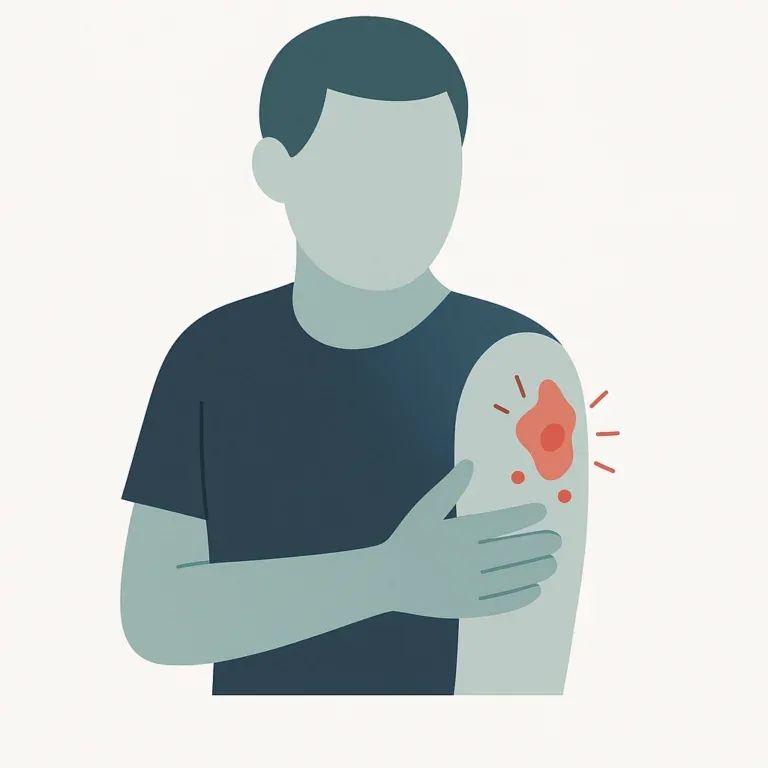
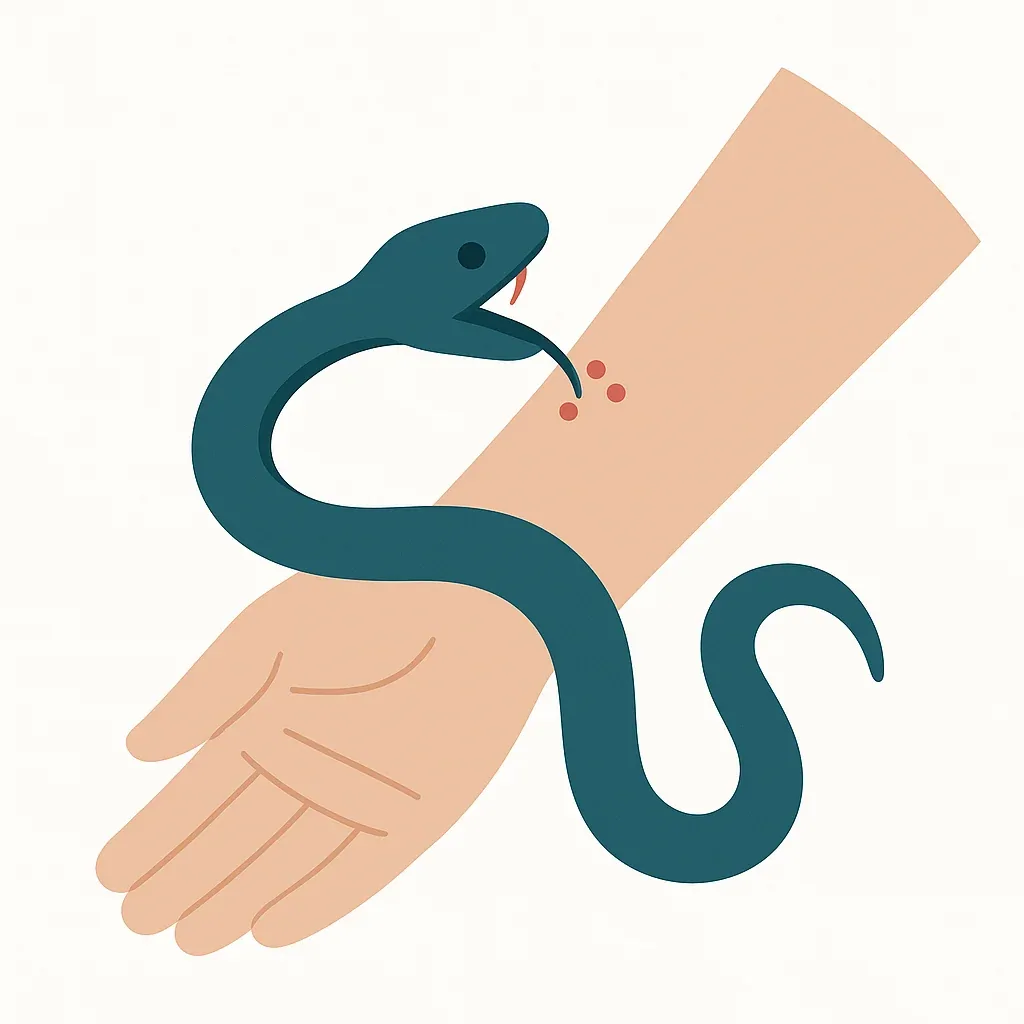

A sea snake bite is a medical emergency. Even if the bite looks small, venom can cause dangerous symptoms including weakness, trouble breathing, and collapse. In first aid, the key priorities are getting the person out of the water, calling 000, using Pressure Immobilisation, and starting CPR if needed.
What is a sea snake bite?
A sea snake bite happens when a sea snake bites the skin and injects venom.
Sea snakes live in Australian waters. Like other venomous snake bites, a sea snake bite should always be treated as potentially life-threatening.
What symptoms can happen?
Symptoms can include:
- bite marks that may be hard to see
- pain, swelling, or bleeding around the bite
- weakness
- trouble breathing
- dizziness
- collapse
- becoming Unresponsive
Some people may not feel very unwell straight away, but serious symptoms can still develop later.
What should you do in first aid?
If someone may have a sea snake bite:
- Get the person out of the water if it is safe to do so.
- Call
000and ask for an ambulance. - Keep the person calm and as still as possible.
- Apply Pressure Immobilisation if the bite is on a limb.
- Start CPR if the person is not breathing normally.
Do not wash the bite area, because venom on the skin may help in hospital later.
When is it an emergency?
A sea snake bite should always be treated as an emergency, especially if the person:
- has trouble breathing
- becomes weak or floppy
- feels dizzy or collapses
- becomes Unresponsive
How is this page different from the other bite and marine pages?
This page focuses on sea snake bites in a marine setting.
- Snake Bite covers the broader general snake-bite pathway
- Sea Creature Bites and Stings is the broader marine overview page
- Cone Shell Sting and Blue-Ringed Octopus Bite cover other dangerous marine envenomations that can also affect breathing
Summary
A sea snake bite is a life-threatening emergency. Get the person out of the water, call 000, keep them still, apply pressure immobilisation to a bitten limb, and start CPR if normal breathing stops.
Sources reviewed
Reviewed against current Australian first aid and emergency guidance by the First Aid Glossary Editorial Team. This article is general information and does not replace emergency-operator directions, professional medical advice or hands-on first aid training.