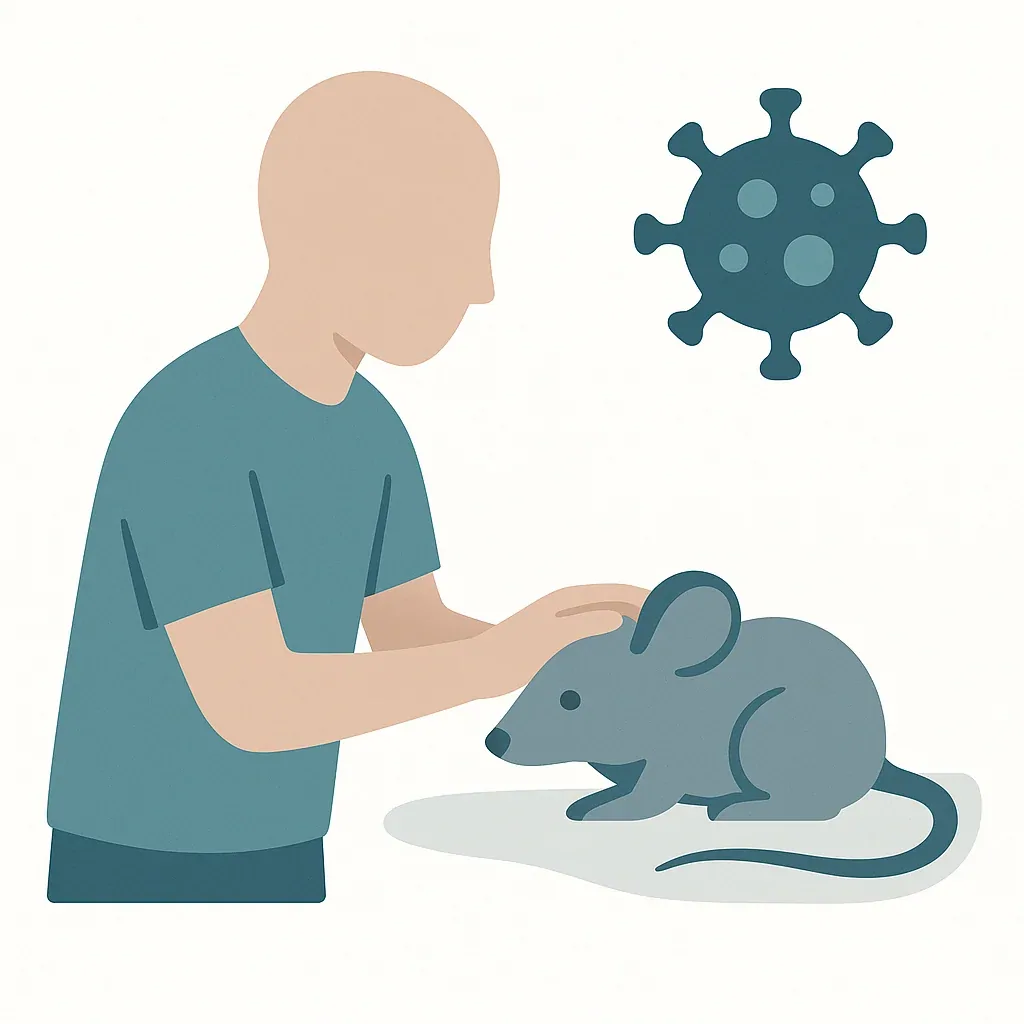

Zoonotic diseases are illnesses that can pass from animals to people. These diseases happen when germs, like bacteria, viruses, or parasites, spread from an animal to a human. The word “zoonotic” comes from “zoo,” meaning animal, and “nosos,” meaning illness or disease. In first aid and everyday life, knowing about zoonotic diseases is important because it helps people stay safe around animals and know when to get help.
Zoonotic diseases can spread in different ways. Sometimes, a person can catch a disease by touching an animal, like a pet dog or cat, or by touching animal products like fur or feathers. Other times, bites or scratches from animals might pass germs that can make someone sick. Some diseases spread through insect bites, such as from ticks or mosquitoes that carry germs after biting animals. It is important to be careful and clean hands after being with animals.
When someone has a zoonotic disease, they might feel sick in ways that are different depending on the illness. Common signs might include feeling hot from a fever, feeling very tired, having a cough, sore throat, or rash on the skin. Some diseases can cause more serious problems, like difficulty breathing or muscle pain. If you think someone might be sick from a zoonotic disease, it is important to look for signs of serious illness.
Why it matters in first aid
In first aid, the main goal with zoonotic diseases is to keep everyone safe and stop the spread of germs. This means avoiding direct contact with wild or sick animals and telling a doctor if you have been bitten or scratched by an animal. If someone hurts an animal bite or scratch, cleaning the wound gently and covering it with a clean cloth can help reduce the chance of infection. Also, washing hands well with soap and water after being near animals is very helpful.
When to call 000
If an animal bite or scratch looks deep, bleeds a lot, or shows signs of infection like redness, swelling, or pus, it is important to call emergency services in Australia by dialing 000. Also, if a person starts to feel very unwell, has trouble breathing, or loses consciousness, calling 000 right away is the safest choice. Early medical help can be very important to treat zoonotic diseases or animal-related injuries.
Many pets and farm animals are healthy and do not carry harmful germs. Still, it is a good idea to keep animals clean and have them checked by a vet regularly. Avoid touching animals you do not know well, especially if they look sick or wild. You should also be careful around animal droppings, as they can carry germs too.
Safety and prevention
In some cases, the germs that cause zoonotic diseases can live on clothes, shoes, or things that animals have touched. To stay safe, keep your surroundings clean, and wash your hands before eating or touching your face. If you work with animals or visit farms, wearing gloves and protective clothing might be needed to lower the risk of catching diseases.
Summary
Zoonotic diseases remind us that animals and people share many places in daily life. Being careful when handling animals, washing hands, and looking after wounds properly can help prevent these diseases. If a person feels sick after being near an animal, it is important to tell a doctor about this. Doctors can suggest tests or treatments that help people feel better and stop germs from spreading to others.
Remember, if a situation with an animal bite, scratch, or illness seems serious, calling 000 is the fastest way to get emergency help. Being calm, careful, and clean is the best way to keep yourself and others safe from zoonotic diseases. Knowing a little about these diseases helps you protect your family, pets, and community in everyday life.
Related glossary terms: Spider Bites and Wound Infection.
Sources reviewed
Reviewed against current Australian first aid, emergency and public-health guidance by the First Aid Glossary Editorial Team. This article is general information and does not replace emergency-operator directions, professional medical advice or hands-on first aid training.