
- First aid for babies definition
- Babies are not small children
- Start with a safe, calm assessment
- Breathing problems need early action
- Falls, bumps and head injuries
- Burns and scalds
- Bleeding, cuts and wounds
- Suspected poisoning or swallowed objects
- Fever, illness and dehydration concerns
- Prepare before you need first aid
- When to call Triple Zero (000)
- Related glossary terms
- Sources reviewed
First aid for babies definition
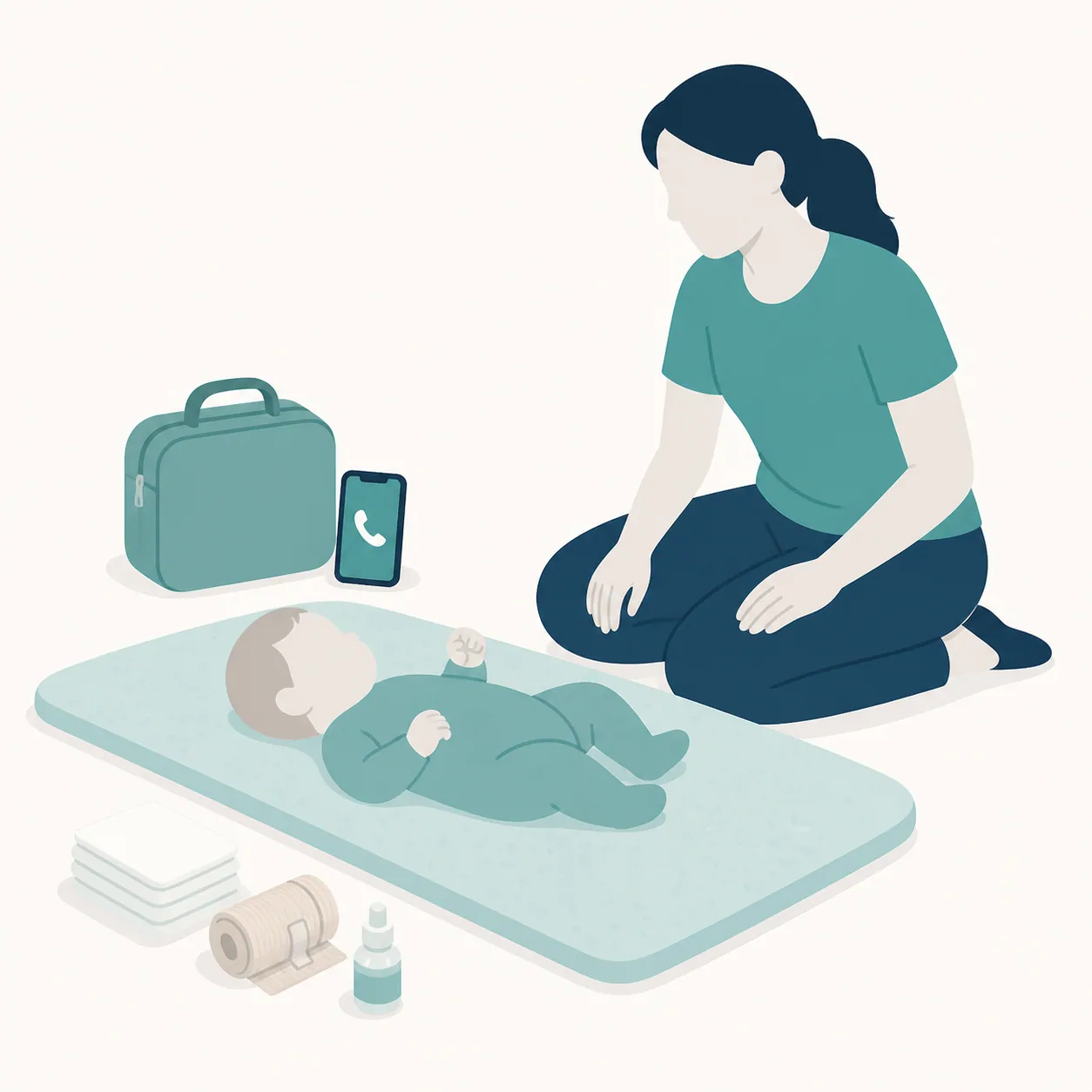
First aid for babies is the immediate, safe care given to an infant who is injured or suddenly unwell while emergency services, a doctor or another health professional is being contacted. Babies can become unwell quickly and cannot explain what they feel, so first aid for babies places a strong emphasis on recognising concerning signs early, keeping the baby safe and seeking help without delay.
The right response is not to try every possible remedy. It is to make the surroundings safe, observe the baby carefully, use only actions you understand and get professional guidance when the problem is more than minor. Parents and carers benefit greatly from a current first aid course that includes infants, but even without training, knowing when to call for help is an important first aid skill.
Babies are not small children
Babies have different airways, bodies and needs from older children and adults. A technique, dose of medicine or food that is suitable for an adult may be unsafe for a baby. For that reason, do not copy online demonstrations without reliable training, and do not use home remedies for a baby who appears seriously unwell.
Babies also cannot tell you whether they are dizzy, in pain or having trouble breathing. Look for observable changes instead: unusual sleepiness, poor feeding, a change in colour, difficulty breathing, a weak cry, repeated vomiting, limpness, a rash with illness or a behaviour that feels markedly different from normal. Carers often notice that something is “not right” before they can put it into words. Take that concern seriously and seek advice early.
Start with a safe, calm assessment
Before touching the baby, check the area for danger. Move away from traffic, water, fire, smoke, electricity, chemicals, unstable furniture, choking hazards or aggressive animals. Do not put yourself at risk while trying to help.
If the baby is awake, stay calm, speak softly and look for obvious problems such as bleeding, a burn, swelling or an object nearby that may have been swallowed. Keep the baby with a trusted adult where possible. Do not give food, drink or medicine to a baby who is coughing, vomiting, drowsy, injured or having trouble breathing unless a health professional specifically tells you to.
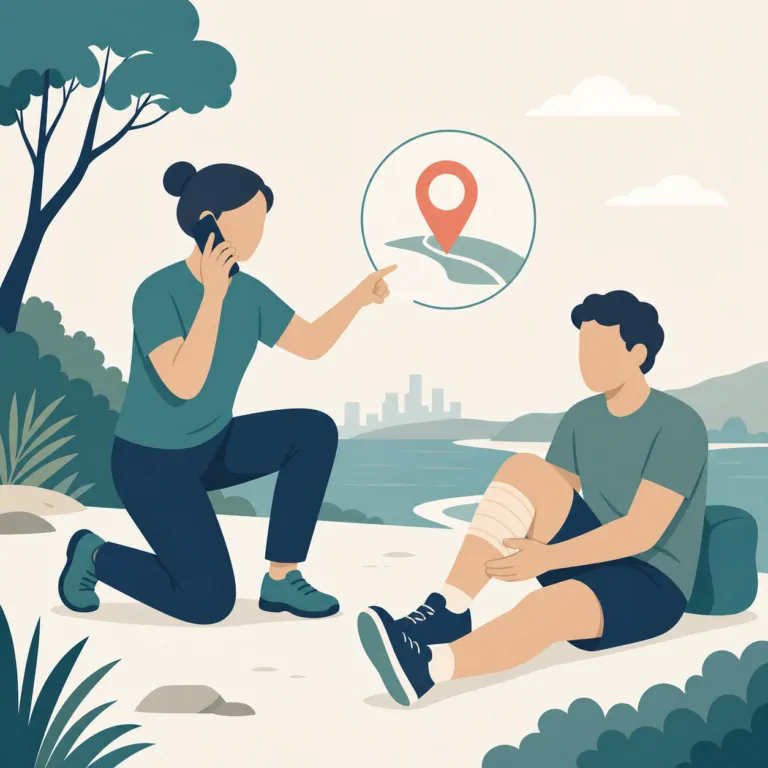
If the baby is unresponsive or not breathing normally, call Triple Zero (000) immediately. Put the phone on speaker if you are alone and follow the operator’s instructions. If you have been trained in infant CPR, begin the appropriate steps. If you have not been trained, the emergency operator can guide you while help is dispatched.
Breathing problems need early action
Breathing difficulty in a baby is an emergency concern. Watch for very fast breathing, pauses, noisy breathing, grunting, sucking in around the ribs or neck, blue or grey lips, a weak cry, a baby who cannot feed because of breathing effort, or a baby who becomes floppy or unusually sleepy.
Call Triple Zero (000) if a baby is struggling to breathe, becomes blue or grey, is unresponsive or is rapidly deteriorating. Hold or position the baby only in the way that seems most comfortable for breathing, unless an emergency operator gives different instructions. Do not put fingers into the baby’s mouth unless you can clearly see an object and can remove it safely. Blind finger sweeps can push an object further back.
If choking is suspected and the baby cannot breathe, cough or cry normally, call emergency services and use infant choking first aid only if you have been trained or are following the operator’s directions. Do not shake a baby, hang them upside down or offer water in an attempt to clear the airway.
Falls, bumps and head injuries
Babies can roll or move unexpectedly, especially on beds, change tables and couches. The safest prevention is to keep one hand on a baby during changes and place them on the floor or in a safe cot if you need to step away. Never rely on a baby being “not mobile yet.”
After a fall or a head bump, comfort the baby and check for bleeding, swelling and behaviour changes. Seek urgent medical advice if the baby lost consciousness, vomits repeatedly, seems unusually drowsy, has a seizure, is difficult to wake, has a large swelling, is not moving normally or is not behaving as usual. Call Triple Zero (000) for serious symptoms or a major fall.
Do not try to keep a tired baby awake just because they bumped their head, but do not dismiss marked drowsiness or difficulty waking them. Tell a health professional what happened, how far the baby fell if known, whether there was a hard surface involved and what changed afterward.
Burns and scalds
Hot drinks, bath water, ovens, heaters and sunlight can all cause burns. A baby’s skin is delicate, and a burn that looks small may still need medical attention. Move the baby away from danger, remove loose clothing or jewellery near the burn if it is not stuck to the skin, and cool the area with cool running water for at least 20 minutes as soon as practical.
Do not use ice, butter, toothpaste, oils, powders or adhesive dressings on a burn. Do not burst blisters or pull away clothing that is stuck to the skin. Cover the cooled area loosely with a clean non-stick dressing or cling film placed lengthways, not tightly wrapped around a limb.
Seek urgent medical care for any significant burn in a baby, and call Triple Zero (000) for a large, deep, chemical, electrical or inhalation burn, or when the baby has trouble breathing, is seriously distressed or the injury involves the face, hands, feet, genitals or a major joint.
Bleeding, cuts and wounds
For a small cut, wash your hands, use gloves if available and apply gentle direct pressure with a clean dressing. Once bleeding is controlled, rinse a minor wound with clean running water and cover it with a suitable dressing. Keep the baby from pulling at the dressing and watch for worsening redness, warmth, swelling, pus, fever or pain.
Call Triple Zero (000) for severe or uncontrolled bleeding. Seek prompt medical advice for a deep cut, bite, puncture wound, wound with embedded glass or another object, or a cut near the eye. Do not remove an impaled or deeply embedded object; support it in place and get help.
Avoid using antiseptics, creams or adhesive products on a baby’s skin unless their use is appropriate for the age and injury and you have followed professional or product advice. Gentle cleaning and correct assessment are more important than using many products.
Suspected poisoning or swallowed objects
Babies explore with their mouths, so prevention matters: store medicines, batteries, magnets, cleaning products, cosmetics, alcohol, nicotine products and small objects securely. If you think a baby has swallowed something, remove any material still in the mouth only if it is easy to do safely. Do not make the baby vomit and do not give food or drink unless advised.
In Australia, call the Poisons Information Centre on 13 11 26 for suspected poison exposure. Have the product packaging available if possible. Call Triple Zero (000) immediately if the baby has trouble breathing, becomes unresponsive, has a seizure or is rapidly getting worse.
Button batteries and multiple magnets are particularly urgent because they can cause serious internal injury. Do not wait for symptoms if you suspect either has been swallowed; seek emergency medical advice straight away.
Fever, illness and dehydration concerns
Fever itself is a sign that a baby may be fighting an illness, but the baby’s age, behaviour and overall appearance matter. Seek medical advice promptly for a young baby with fever or any baby who is difficult to wake, feeding poorly, breathing unusually, has fewer wet nappies, has a concerning rash, is persistently vomiting or seems much less alert than usual.
Do not use a cold bath or alcohol rub to treat a fever. Keep the baby comfortably dressed and follow advice from a health professional about fluids and medicines. Never give adult medication or another child’s medication to a baby.
Dehydration can develop when babies are vomiting, have diarrhoea, feed poorly or are unwell in hot weather. Dry mouth, fewer wet nappies, unusual sleepiness, absence of tears when crying or a sunken soft spot can be concerning signs. Get professional advice early rather than waiting for a baby to look severely unwell.
Prepare before you need first aid
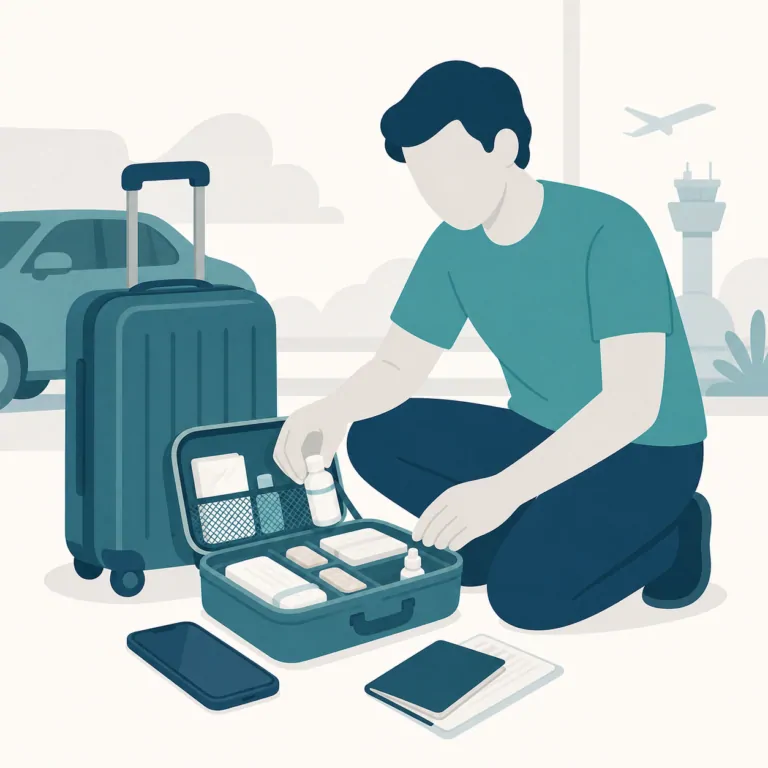
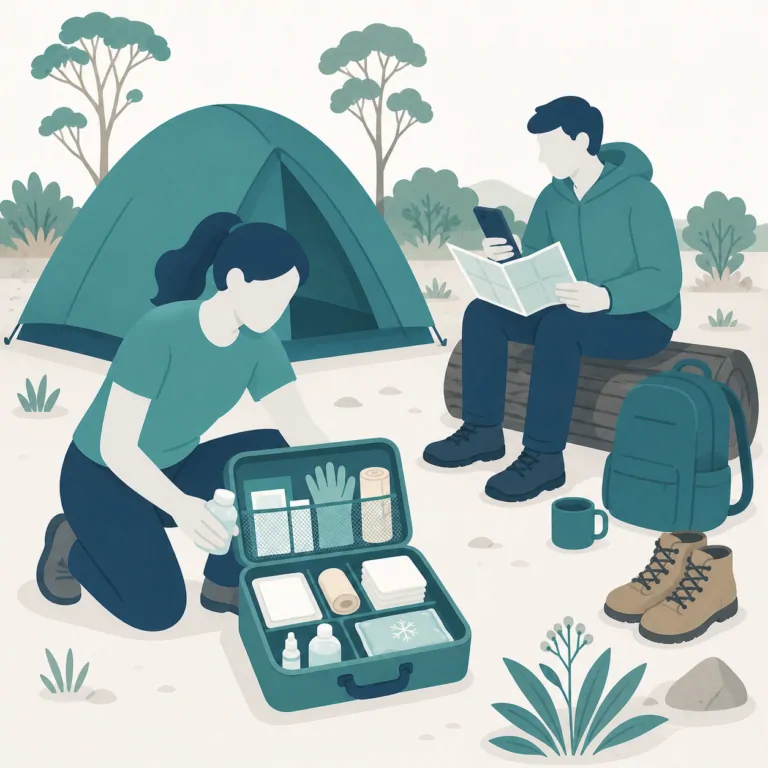
Keep a first aid kit, emergency contacts and a charged phone easy to reach. Store the home address where carers can read it during a call. If different adults care for the baby, make sure they know allergies, medicines, feeding arrangements and any health plan.
Take an infant first aid course that includes CPR, choking, burns and common childhood emergencies. Practise locating the kit and making an emergency call, but do not practise on a real baby. Review safety as the baby becomes mobile: a crawling baby faces different hazards from a newborn, and a toddler creates a new set again.
When to call Triple Zero (000)
Call Triple Zero (000) for a baby who is unresponsive, not breathing normally, seriously struggling to breathe, blue or grey, bleeding severely, seriously burned, having a seizure, suffering a major injury or rapidly getting worse. Stay on the line and follow the operator’s directions.
Trust your concern. Babies cannot explain their symptoms, and an early call or assessment is preferable to waiting with a baby who looks or behaves very differently from normal.
Related glossary terms
Sources reviewed
- Healthdirect Australia: first aid advice
- ANZCOR: first aid guidelines
- Triple Zero (000): emergency calling information
- Poisons Information Centre
Reviewed against Australian first aid and emergency guidance by the First Aid Glossary Editorial Team. This article is general information and does not replace emergency services, professional medical advice or hands-on first aid training.