
- First aid for cuts definition
- Make the area safe first
- Control bleeding with direct pressure
- Never pull out an embedded object
- Clean a minor cut or graze
- Cuts that need same-day assessment
- Watch for infection and healing problems
- Common mistakes to avoid
- When to call Triple Zero (000)
- Related glossary terms
- Sources reviewed
First aid for cuts definition
First aid for cuts is the immediate care given after the skin is broken. For a minor cut or graze, that usually means making the area safe, controlling bleeding with direct pressure, rinsing away visible dirt and protecting the wound with a clean dressing. It also means noticing when a wound needs a clinician or an ambulance rather than more home treatment.
The word cut covers several different injuries. A neat slice from a knife, a jagged tear from broken material, a scrape from a fall and a puncture from a sharp object can all break the skin, but they do not carry the same risks. A practical first aider does not need to diagnose the wound perfectly. They need to slow down, stop bleeding, avoid causing extra damage and arrange appropriate help.
Make the area safe first
Before touching a wound, pause to look for the thing that caused it. Broken glass, a knife, machinery, traffic, a fall risk or another person’s blood can turn one injury into two. Move away from danger if you can do so safely. Encourage the injured person to sit or lie down if they feel faint, and ask someone else to call for help or fetch supplies.
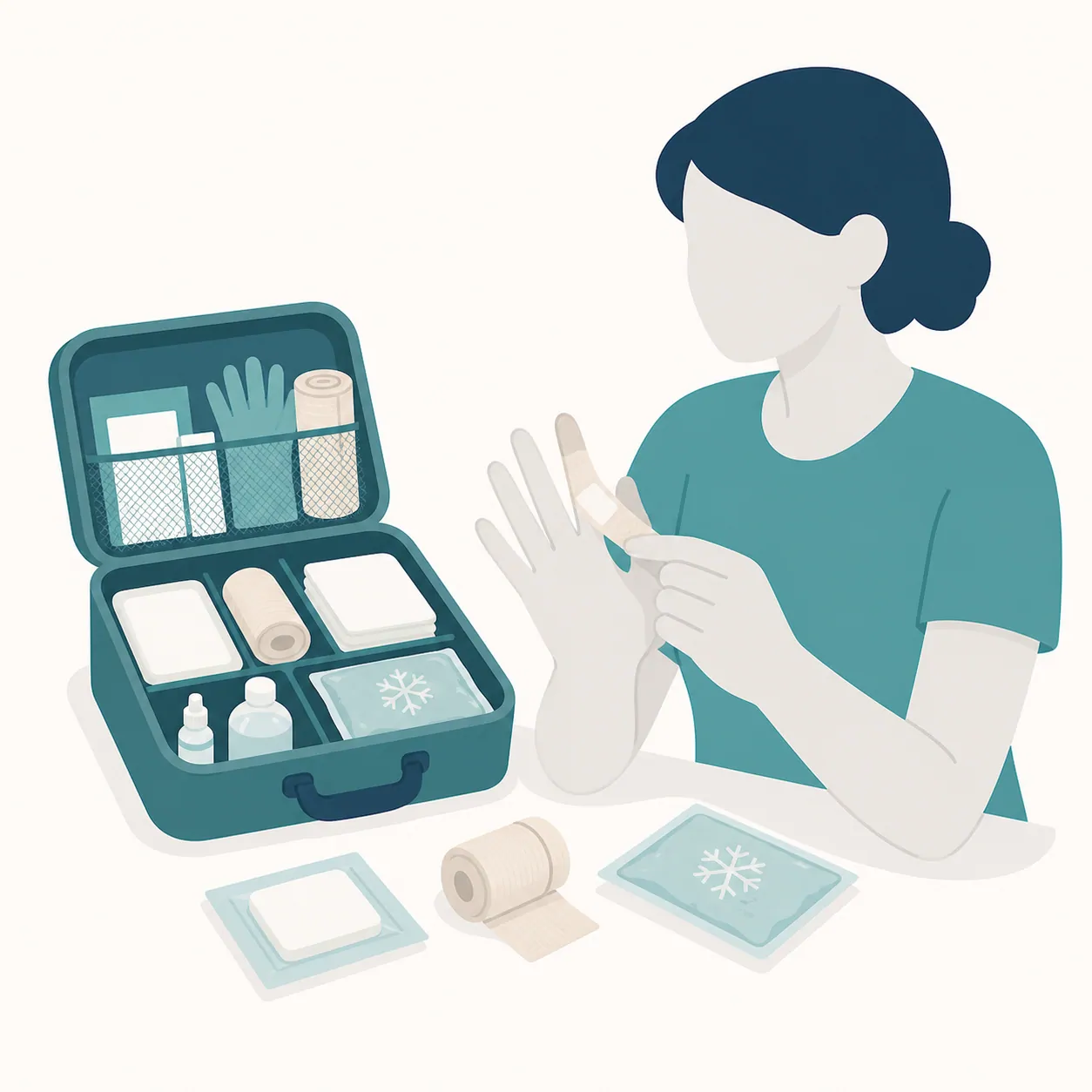
Wash your hands if practical and use disposable gloves where they are available. Gloves protect both people from blood exposure; they do not make a dirty environment clean. If gloves are not available and the wound is minor, use a clean barrier such as a dressing or cloth, then wash hands thoroughly afterwards. Do not delay urgent bleeding control while looking for perfect equipment.
Keep the person warm, still and reassured. Children in particular may be frightened by a small amount of blood. Explain what you are doing in simple language and let them know that a responsible adult is getting help if it is needed.
Control bleeding with direct pressure
For most external bleeding, direct, firm pressure over the wound with a clean dressing, pad or cloth is the first action. Hold it steadily rather than repeatedly lifting the cloth to check. Looking too soon can disturb the clot that is beginning to form.
If blood soaks through the first dressing, place another dressing or cloth over the top and keep pressure on. Do not remove the original layer simply to replace it. Keep the injured part still. If the person becomes pale, sweaty, dizzy, confused, short of breath or collapses, treat the situation as urgent and call Triple Zero (000).
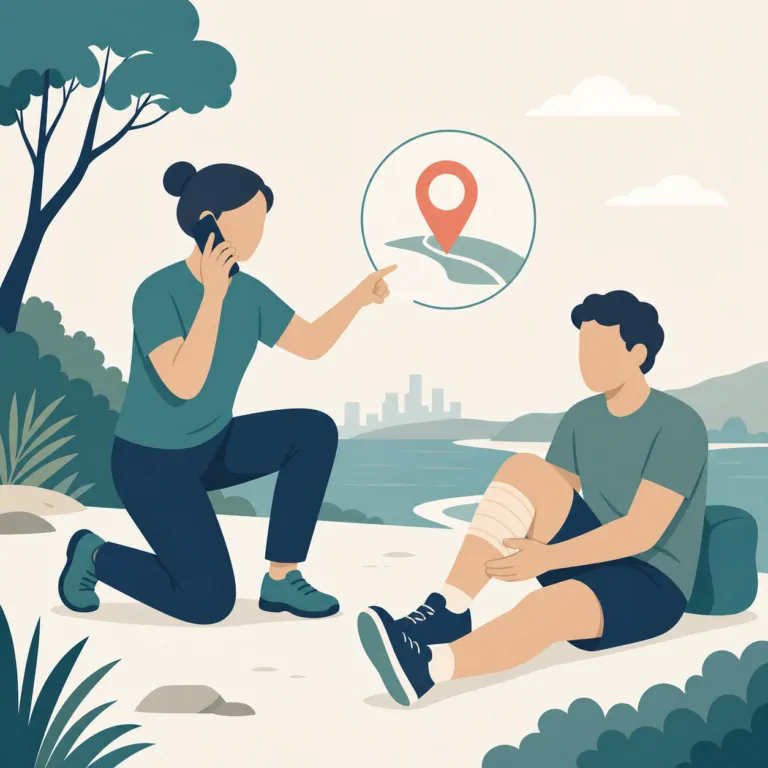
Severe or life-threatening bleeding needs emergency help. Call Triple Zero (000), keep firm pressure on the wound and follow the operator’s instructions. A tourniquet is not a routine treatment for a household cut: it is used for life-threatening limb bleeding that cannot be controlled by direct pressure, by someone trained and equipped to use one. Do not experiment with improvised devices.
Never pull out an embedded object
Glass, metal, wood or another object sticking from a wound should normally stay where it is. Removing it may make bleeding much worse or cause further tissue damage. Call for urgent medical help when appropriate, apply gentle pressure around the object and build clean padding around it so it cannot move. Bandage the padding only firmly enough to hold it in place; do not press the object deeper.
This is different from a superficial speck of grit in a simple graze. Once bleeding is controlled, small loose debris may sometimes be rinsed away with clean running water. Stop and seek advice if material is deeply embedded, the wound is painful to clean, the object is glass or the wound is near an eye, joint, tendon or nerve.
Clean a minor cut or graze
After the bleeding has stopped, rinse a minor wound with clean running water or saline. This helps remove dirt without scrubbing damaged tissue. If there is a small amount of loose debris, use a clean cloth or clean tweezers only if it can be removed easily. Do not dig into a wound, pour harsh substances into it or use a home remedy that could irritate tissue.
Pat the surrounding skin dry with a clean pad. Cover the wound with a suitable non-stick sterile dressing or adhesive strip. The dressing should protect it from further rubbing and dirt without cutting off circulation. Replace it if it becomes wet, dirty or loose, and follow the product instructions.
For a small graze, keeping the area clean and protected is usually more useful than repeatedly exposing it to “air.” Avoid swimming until a meaningful cut has healed, and do not pick a scab. Picking can restart bleeding, introduce germs and worsen scarring.
Cuts that need same-day assessment
Some wounds need a doctor, nurse or urgent care service even when bleeding seems controlled. Seek timely assessment for a cut that is deep, gaping, very painful, contaminated, over a joint, on the face, hand or genital area, or close to an eye. Closure may be time-sensitive, and an injury can affect movement or sensation even when it looks small.
Animal and human bites, puncture wounds, wounds caused by dirty water, and cuts containing gravel, soil or wood also deserve professional advice. Ask about tetanus protection if a wound is dirty, deep or you are unsure that vaccinations are current. Do not delay emergency care while trying to work out a vaccination record.
People taking blood-thinning medicines, those with diabetes or poor circulation, and people with reduced immune function may need a lower threshold for seeking medical advice. If a child is injured and you are unsure of the depth, cleanliness or cause, it is reasonable to contact a health professional for guidance.
Watch for infection and healing problems
A healing wound can be tender and mildly red at the edge initially. Warning signs include increasing rather than settling pain, spreading redness, warmth, swelling, pus, fever, red streaks, a bad smell or feeling generally unwell. Seek medical advice if these develop, if the wound opens again or if healing stalls.
Take a fresh look at a covered wound when changing the dressing. If it is becoming worse rather than better, do not keep changing products hoping it will settle. A clinician can assess whether there is retained material, infection, damage beneath the skin or a need for different care.
Common mistakes to avoid
Avoid treating every break in the skin as a minor cut. Do not use a tightly wrapped bandage that causes numbness, tingling, pale or cold fingers or toes. Do not use cotton wool or tissues packed into a wound. Do not remove a penetrating object. Do not drive yourself to hospital if you have severe bleeding, feel faint or may lose consciousness—call an ambulance.
Antiseptic products and wound washes have directions and limitations. A first aider should not assume that more product means better care. When the wound is more than minor, the priority is assessment, not a complicated home dressing.
When to call Triple Zero (000)
Call Triple Zero (000) for an ambulance when bleeding is severe or cannot be controlled with firm pressure, blood is spurting, an object is embedded, the person is fainting or confused, the injury involves the eye, or there is a serious mechanism such as a major fall, crush injury or traffic incident. Call as well for severe pain, trouble breathing, chest pain or reduced consciousness.
Stay with the person if it is safe. Tell the operator what happened, the location, the person’s age if known and what first aid has already been given. Follow instructions until help arrives.
Related glossary terms
Sources reviewed
- Healthdirect: wounds, cuts and grazes
- ANZCOR Guideline 9.1.1: First Aid for Management of Bleeding
- Healthdirect: first aid advice
- Triple Zero (000): emergency calling information
Reviewed against Australian first aid and emergency guidance by the First Aid Glossary Editorial Team. This article is general information and does not replace emergency services, professional medical advice or hands-on first aid training.