
- What Is a Wound?
- Why Do Wounds Get Infected?
- What Happens When a Wound Gets Infected?
- Why Is Wound Infection Important in First Aid?
- What Can You Do to Prevent Wound Infection?
- What Signs Tell You a Wound Might Be Infected?
- When Should You Call Emergency Services (000)?
- General First Aid for Wound Infection Concerns
- Stay Calm and Safe
- Summary
- Sources reviewed
A wound-infection/" class="fag-auto-link">wound infection happens when germs, like bacteria, get into a cut, scrape, or any break in the skin and make it sick. When a wound becomes infected, it can cause swelling, redness, pain, or even pus. This can slow down healing and sometimes cause more serious problems if not treated. Knowing about wound infections is important so you can spot the signs early and get help if needed.
What Is a Wound?
Your skin is like a protective cover for your body. It keeps germs out and stops you from losing too much water and heat. When your skin breaks from a cut, scratch, or scrape, it is called a wound. Wounds can be small like a paper cut or bigger like a deep cut from a knife.
Why Do Wounds Get Infected?
Wounds can get infected when bacteria, viruses, or fungi enter through the broken skin into the body. Bacteria are tiny living things all around us, but some can cause infections when they get inside a wound. Dirt, saliva, animal bites, or touching the wound with dirty hands can bring germs in.
What Happens When a Wound Gets Infected?
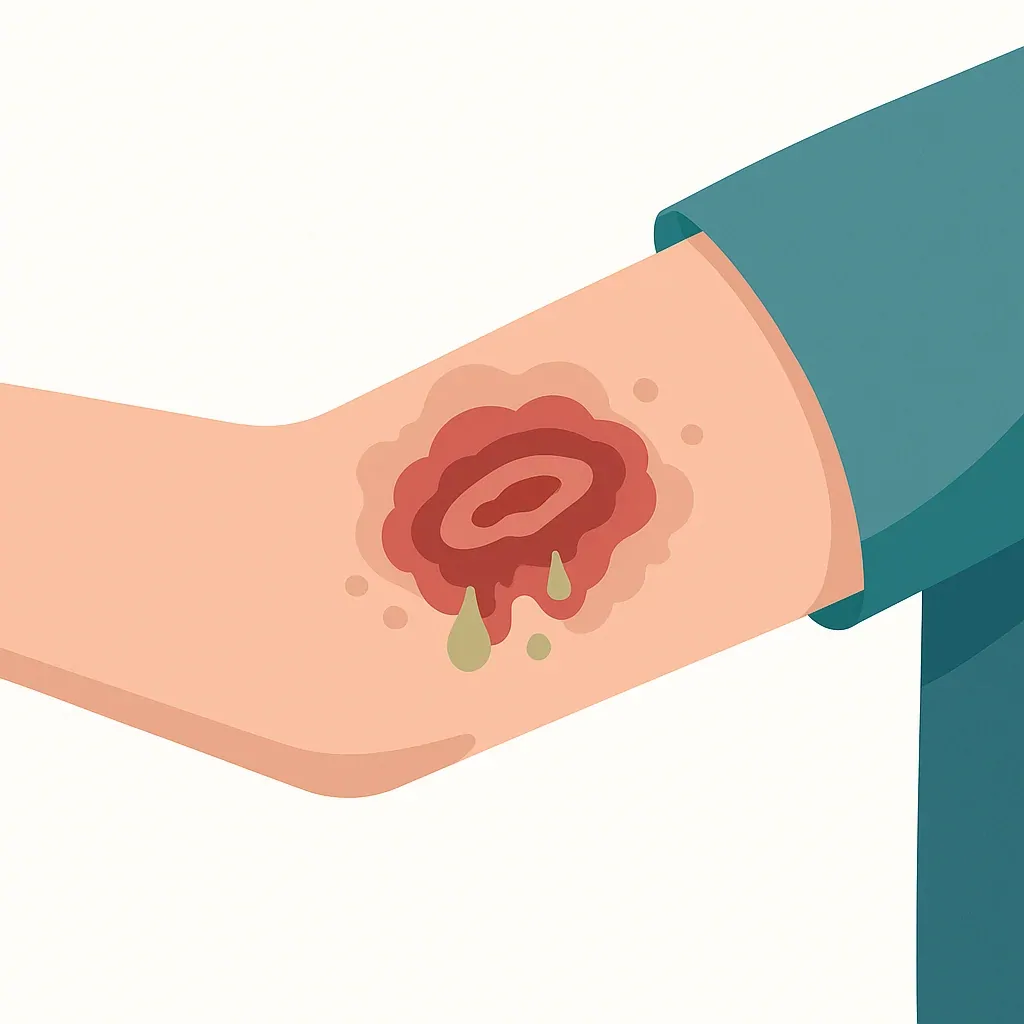
When germs enter a wound, your body tries to fight them. This fight can cause signs like redness, swelling, warmth, and pain around the wound. The wound might also leak a thick yellow or green fluid called pus. You might notice the area becomes tender and harder to use.
Sometimes, the skin around the wound changes color, and the wound might start to smell bad. The person with the wound might also feel tired, get a fever, or feel unwell. These signs mean the infection could be serious and might need medical help.
Why Is Wound Infection Important in First Aid?
First aid is about helping someone right after an injury happens. One important job in first aid is to stop bacteria from getting into wounds. Caring for wounds properly helps people heal quickly and avoid infection.
If you see signs of infection, it is important to take it seriously. Infection can spread to other parts of the body and cause more harm. Taking quick action can stop this from happening.
What Can You Do to Prevent Wound Infection?
The best way to prevent infection is to keep wounds clean and protected. Here are some simple steps to help:
- Wash your hands before touching a wound. This stops germs on your hands from going into the wound.
- Gently clean the wound with clean water or saline to wash out dirt and bugs. Avoid using harsh soaps or chemicals.
- Cover the wound with a clean, dry dressing or bandage. This keeps out dirt and germs.
- Change the dressing if it gets dirty or wet. A moist or dirty dressing can cause infection.
- Avoid touching or picking at the wound. Your hands might carry germs that cause infection.
- Keep the person’s tetanus injections up to date. Tetanus is a serious infection that can happen from some wounds.
What Signs Tell You a Wound Might Be Infected?
Look closely at the wound and the area around it. Watch for these signs:
- The skin around the wound is red and swollen.
- The wound feels warm or hot when you touch it.
- The person has more pain now than when the wound happened.
- The wound is leaking yellow, green, or bad-smelling fluid.
- There is a hard lump or a red line moving away from the wound.
- The person has a fever, feels tired, or unwell.
- If you see any of these signs, it is important to get medical help.
When Should You Call Emergency Services (000)?
Most small wounds that are cared for properly will heal without serious problems. But sometimes infections get worse quickly or are very serious from the start.
Call 000 if the person has:
- A deep wound with heavy bleeding that will not stop.
- A bite wound from an animal or human that looks infected.
- Spreading redness or swelling that grows fast after a wound.
- High fever or chills with a wound infection.
- Signs of serious illness like confusion, breathlessness, or extreme pain.
- Remember, if you are ever unsure or worried about a wound or infection, it is safer to call emergency services or see a doctor.
General First Aid for Wound Infection Concerns
If you think a wound might be getting infected, here are some helpful steps:
- Keep the wound clean and covered.
- Do not try to squeeze or pop any pus or blisters.
- Avoid using creams or medicines unless advised by a healthcare professional.
- Help the person rest and drink water to stay well.
- Watch for any changes and get medical help if the wound gets worse.
Stay Calm and Safe
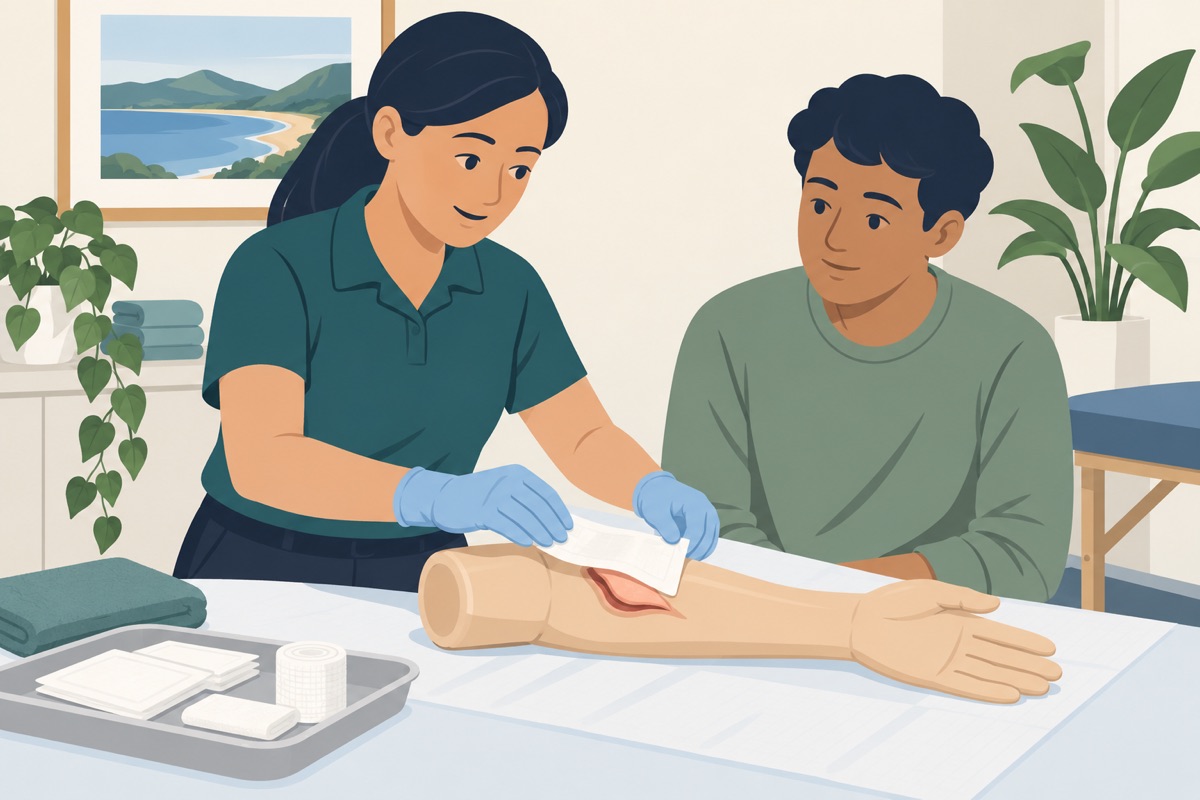
If you are helping someone with a wound, remember to stay calm. This helps the person feel safer and more comfortable. Wash your hands well before and after giving help. Use gloves if you have them to protect yourself and the person.
If you have to get medical help, keep the person warm and still while waiting. Do not take off any bandages unless they are soaking in blood or very dirty.
Summary
A wound infection happens when germs get into a break in the skin and make it sick. It can cause swelling, redness, pain, and pus. Wound infections can slow healing and cause more problems if not cared for.
First aid helps by keeping wounds clean and protected to stop infections. Watch for signs like redness, warmth, pus, and pain. Call 000 or see a doctor if the infection looks serious or spreads.
Simple care can stop most infections. Washing hands, cleaning wounds gently, and keeping bandages clean are very important. If you help calmly and safely, you can make a big difference in healing and staying healthy.
Related glossary terms: Wound Care and Wound.
Sources reviewed
Reviewed against Australian first aid and emergency guidance by the First Aid Glossary Editorial Team. This article is general information and does not replace emergency-operator directions, professional medical advice or hands-on first aid training.