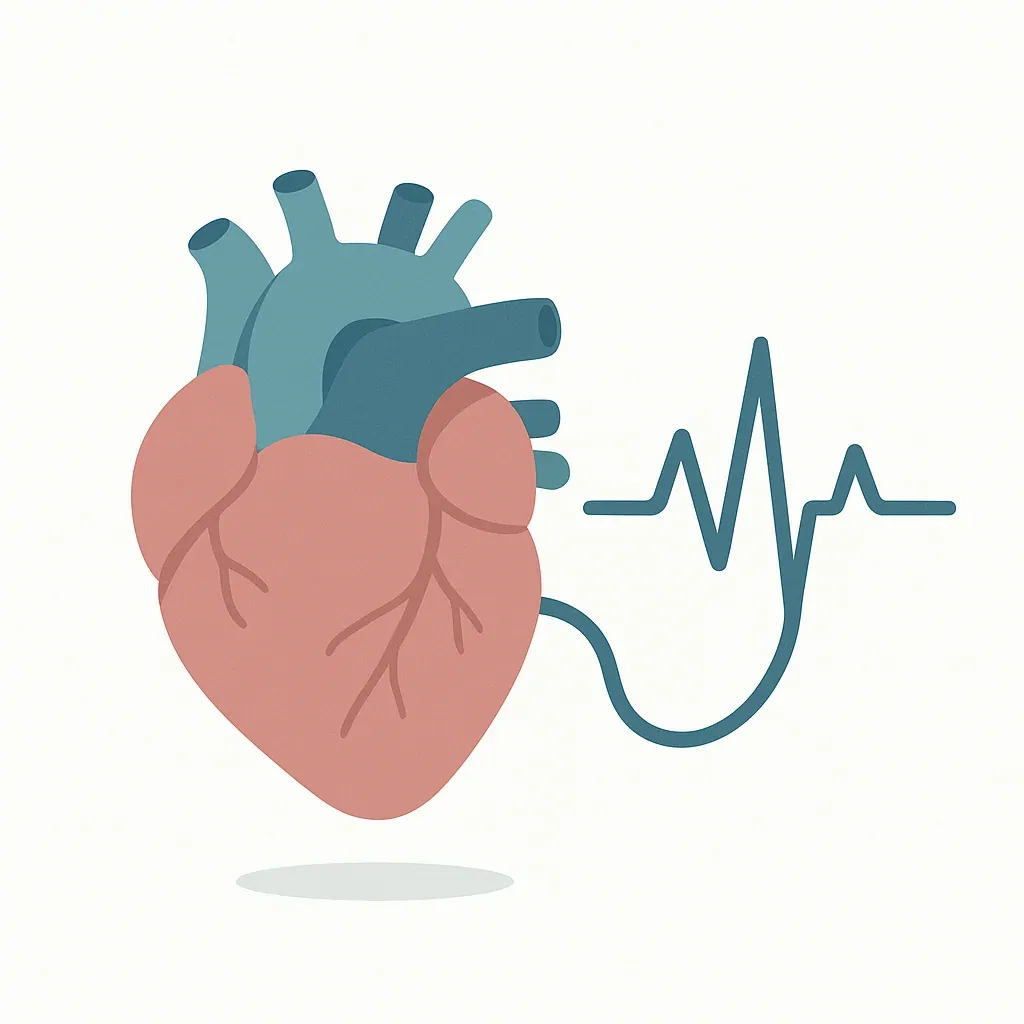

Palpitations are the feeling that the heart is beating in a way that feels unusual, such as racing, pounding, fluttering, or skipping beats. In first aid, palpitations matter because they can be harmless, but they can also happen with heart-rhythm problems or other medical emergencies.
What are palpitations?
Palpitations are a sensation, not a diagnosis. A person may say their heart feels:
- fast
- pounding
- fluttering
- thumping
- irregular
- like it is skipping beats
Some palpitations are brief and harmless. Others happen with symptoms that need urgent medical attention.
Palpitations are not the same as tachycardia
Tachycardia means a fast heart rate. Palpitations describe how the heartbeat feels.
Someone can feel palpitations even when the rate is not dangerously fast. Someone can also have tachycardia without describing strong palpitations. That is why it helps to connect palpitations with Heart Rate and Pulse.
Common causes
Palpitations can happen with:
- stress or anxiety
- exercise
- caffeine
- nicotine
- dehydration
- fever
- medicines or stimulant drugs
- heart-rhythm problems
The first aider usually cannot tell the exact cause on the spot, so the focus is on warning signs and escalation.
What to look for
Check whether palpitations are happening with:
- chest pain
- shortness of breath
- dizziness
- fainting or near-fainting
- weakness
- confusion
- a very fast or irregular Pulse
These features matter more than the word “palpitations” on its own.
What to do in first aid
If someone reports palpitations:
- Help them stop activity and rest.
- Keep them calm.
- Ask whether they have chest pain, trouble breathing, dizziness, or feel faint.
- If safe and appropriate, check their Heart Rate or Pulse.
- Call
000if there are serious symptoms or if the person is clearly deteriorating.
Mild palpitations without danger signs are different from palpitations that happen with collapse, chest pain, or severe breathlessness.
When palpitations are an emergency
Call 000 urgently if palpitations happen with:
- chest pain
- severe shortness of breath
- collapse
- fainting
- confusion
- blue or grey lips
- severe weakness
If the person becomes Unresponsive and is not breathing normally, follow Primary Survey or DRSABCD and start CPR. If available, use an Automated External Defibrillator.
Palpitations in the wider cardiac cluster
Palpitations may happen with Tachycardia, heart-rhythm problems, stress, or other illness. In some cases they may be part of a more serious picture involving Heart Attack, worsening Heart Failure, or another acute problem.
That is why palpitations should be read as a symptom term that points into the wider emergency-assessment pathway rather than as a standalone diagnosis.
Quick answer
Palpitations are the feeling that the heart is racing, pounding, fluttering, or skipping beats. They can be harmless, but they can also happen with more serious heart or medical problems. In first aid, help the person rest, check for danger signs such as chest pain or fainting, and call 000 if the person looks very unwell or is getting worse.
Sources reviewed
- Healthdirect: heart palpitations
- Healthdirect: heart arrhythmias
- Triple Zero: official emergency calling guidance
Reviewed against current Australian cardiac, first aid and emergency guidance by the First Aid Glossary Editorial Team. This article is general information and does not replace emergency-operator directions, professional medical advice or hands-on first aid training.