
- What is a food allergy?
- What foods commonly cause food allergy?
- What symptoms can a food allergy cause?
- When should you treat it as an emergency?
- What should you do in first aid?
- What should happen after the immediate emergency?
- How is this page different from other allergy pages?
- Summary
- Sources reviewed
A food allergy happens when the immune system reacts to a food allergen. Reactions can range from mild symptoms such as hives or vomiting to severe symptoms such as trouble breathing or collapse. In first aid, the main priority is recognising when the reaction is becoming Anaphylaxis and acting quickly.
What is a food allergy?
A food allergy happens when the body reacts to a food that is harmless to most people. The trigger food acts as an Allergen.
A food allergy is different from a food intolerance. A food allergy involves the immune system. A food intolerance usually does not and is less likely to cause a life-threatening reaction.
What foods commonly cause food allergy?
Common food allergens include:
- peanuts
- tree nuts
- cow’s milk
- egg
- soy
- wheat
- fish
- shellfish
- sesame
- lupin
Some children outgrow certain food allergies, but some continue into adult life.
What symptoms can a food allergy cause?
A food allergy can affect the skin, stomach, breathing, or circulation.
Mild or moderate symptoms can include:
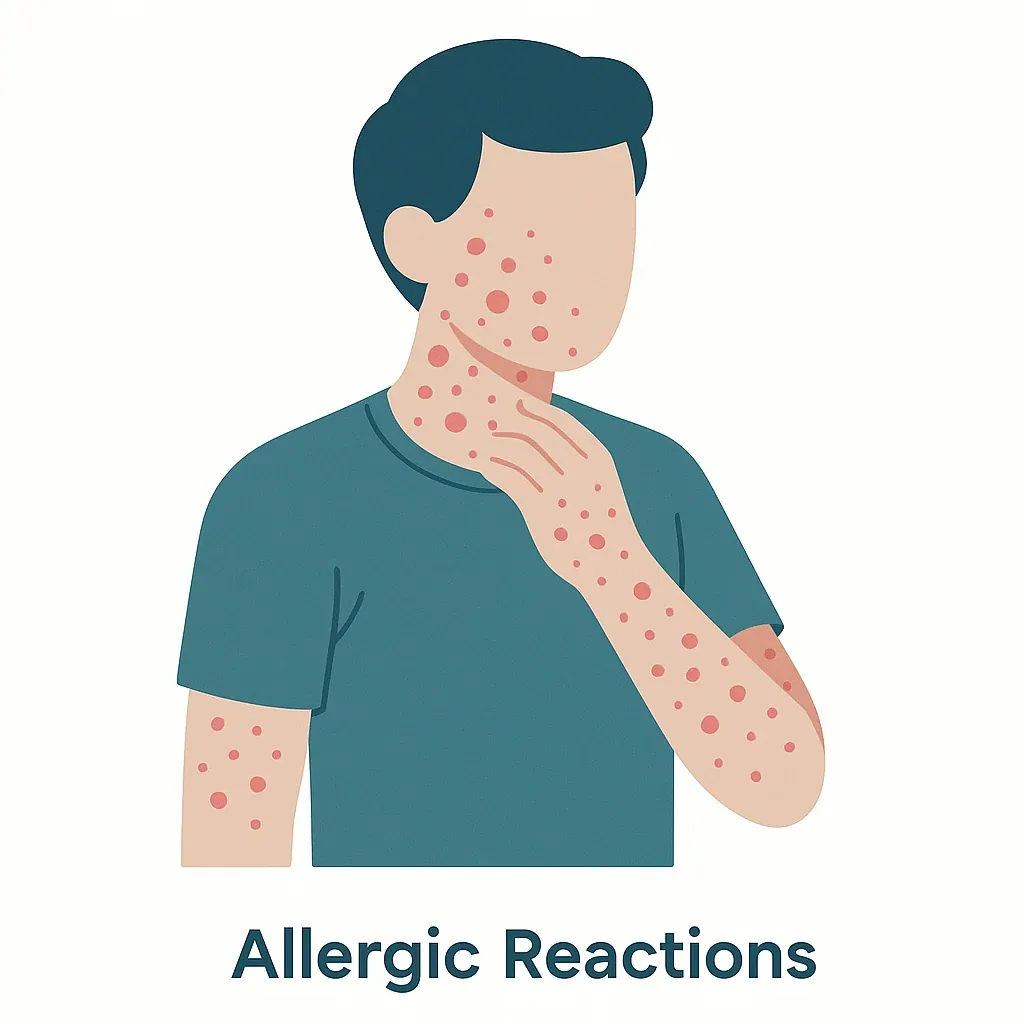
- hives or an itchy rash
- swelling around the lips, eyes, or face
- vomiting
- tummy pain
Severe symptoms can include:
- swelling of the tongue or throat
- wheeze or trouble breathing
- trouble talking
- dizziness or collapse
- becoming Unresponsive
When should you treat it as an emergency?
Treat the reaction as an emergency if the person has breathing trouble, throat swelling, collapse, or other signs of Anaphylaxis.
Call 000 in Australia straight away if severe symptoms appear.
If the person has a prescribed Adrenaline Auto-Injector, help them use it immediately.
If you know the brand, follow the correct steps for EpiPen or Anapen. The medicine inside is Epinephrine, also called adrenaline.
What should you do in first aid?
If you think someone is having a food allergy reaction:
- Stop them eating the food.
- Check what symptoms are happening.
- Ask whether they have a known allergy and whether they carry an Adrenaline Auto-Injector.
- Call
000if symptoms are severe, getting worse, or you are unsure. - Stay with them and watch breathing and response closely.
If they become unresponsive:
- use the Recovery Position if they are breathing normally
- start CPR if they are not breathing normally
What should happen after the immediate emergency?
People with food allergy often need medical assessment, even if symptoms improve. Long-term management usually involves:
- avoiding the trigger food
- checking ingredient labels carefully
- asking about food when eating out
- reducing the chance of cross-contamination
How is this page different from other allergy pages?
This page focuses on food as the trigger.
For the broader meaning of allergy reactions, read Allergic Reaction.
For the page focused on recognising warning signs, read Allergic Reactions.
For the device overview page, read Adrenaline Auto-Injector.
For the severe emergency page, read Anaphylaxis.
Summary
A food allergy is an immune-system reaction to a food allergen. Symptoms can range from hives or vomiting to breathing trouble or collapse. In first aid, stop exposure, recognise signs early, help with a prescribed adrenaline auto-injector if severe symptoms suggest anaphylaxis, and call 000 when the reaction is serious or worsening.
Sources reviewed
- ASCIA: First Aid Plan for Anaphylaxis
- ASCIA: anaphylaxis resources and action plans
- Triple Zero: official emergency calling guidance
Reviewed against current Australian allergy and emergency guidance by the First Aid Glossary Editorial Team. This article is general information and does not replace a person’s prescribed ASCIA Action Plan, emergency-operator directions, medical advice or hands-on first aid training.