First Aid Glossary Editorial Team

First Aid Glossary Editorial Team

The First Aid Glossary Editorial Team produces plain-English explanations of first aid and emergency terminology for Australian readers. Articles are reviewed against recognised Australian guidance, including ANZCOR, Healthdirect Australia and Triple Zero, and are updated as guidance changes.

Arterial Bleeding

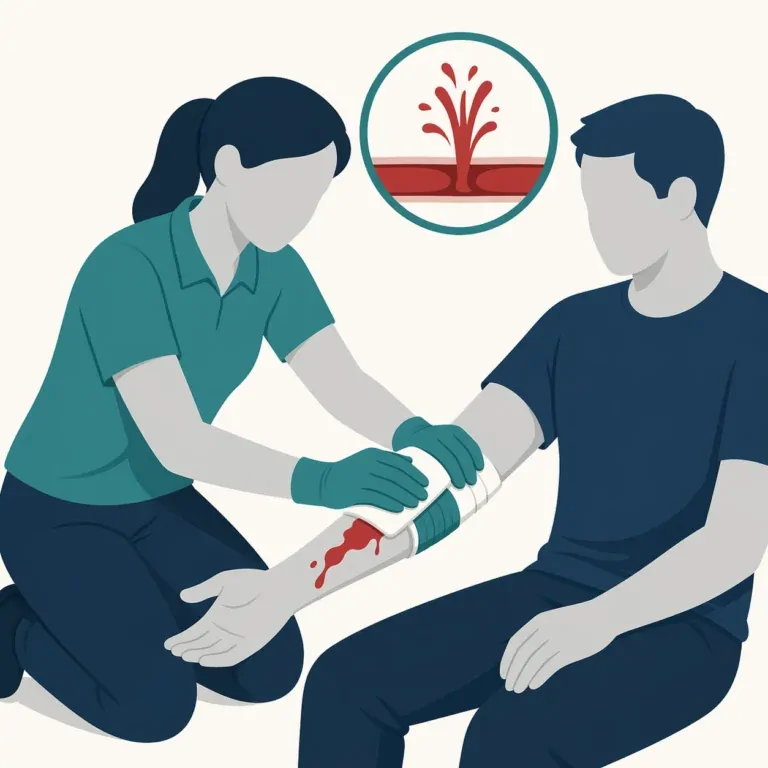
Flat illustration of a first aider applying firm pressure and bandaging to an arm wound to represent arterial bleeding.

Arterial bleeding happens when blood spurts rapidly from a cut artery, making it a serious and life-threatening emergency. Knowing how to recognize and respond to arterial bleeding quickly can make all the difference in saving a life.

Life-Threatening Conditions

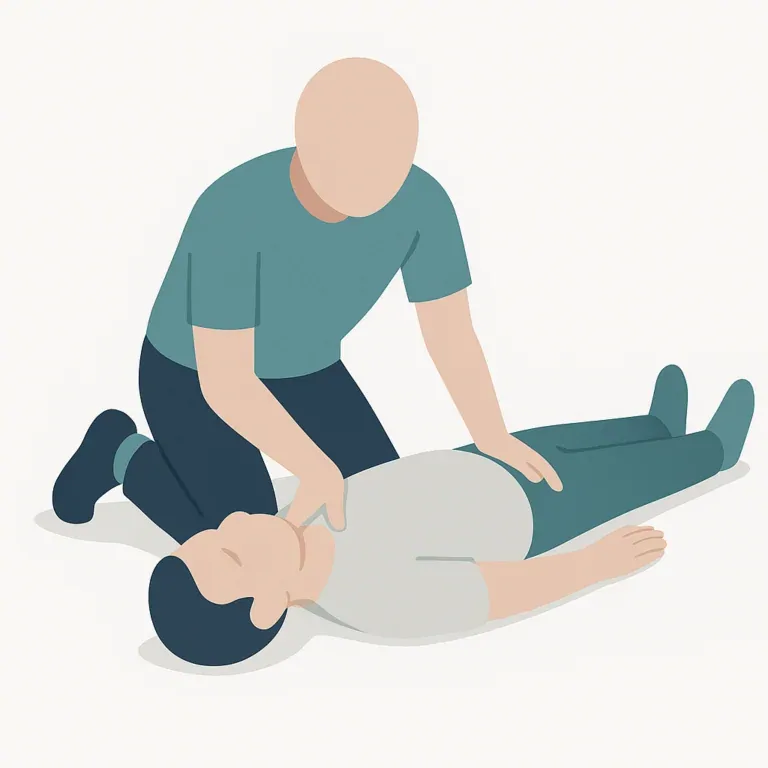
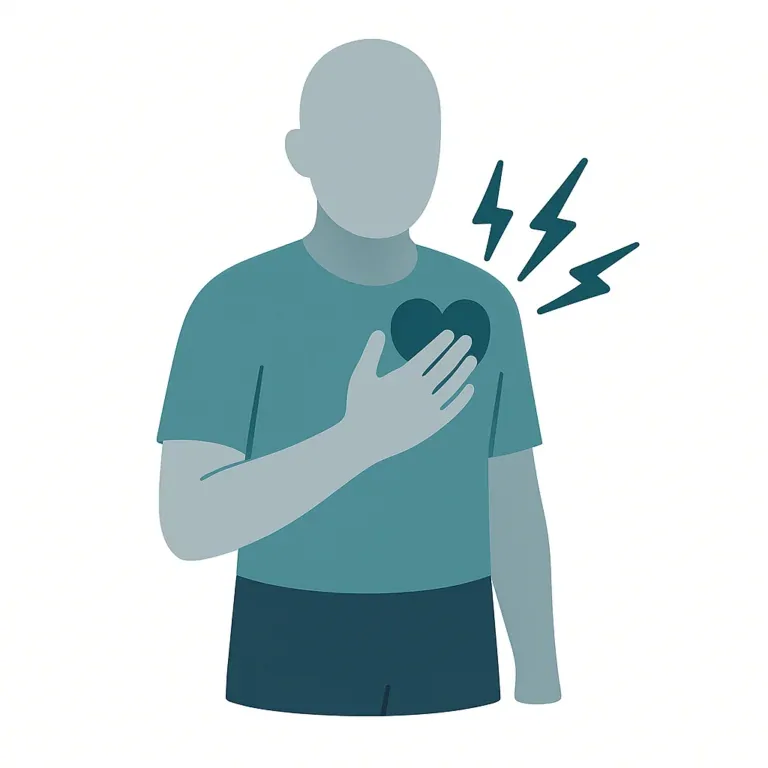
Illustration of Life-Threatening Conditions

Life-threatening conditions demand quick action—knowing how to recognise signs like choking, severe bleeding, or a heart attack can make all the difference in saving a life. By staying calm and calling emergency services immediately, you can provide crucial first aid that helps keep someone safe until professional help arrives.
Cyanosis

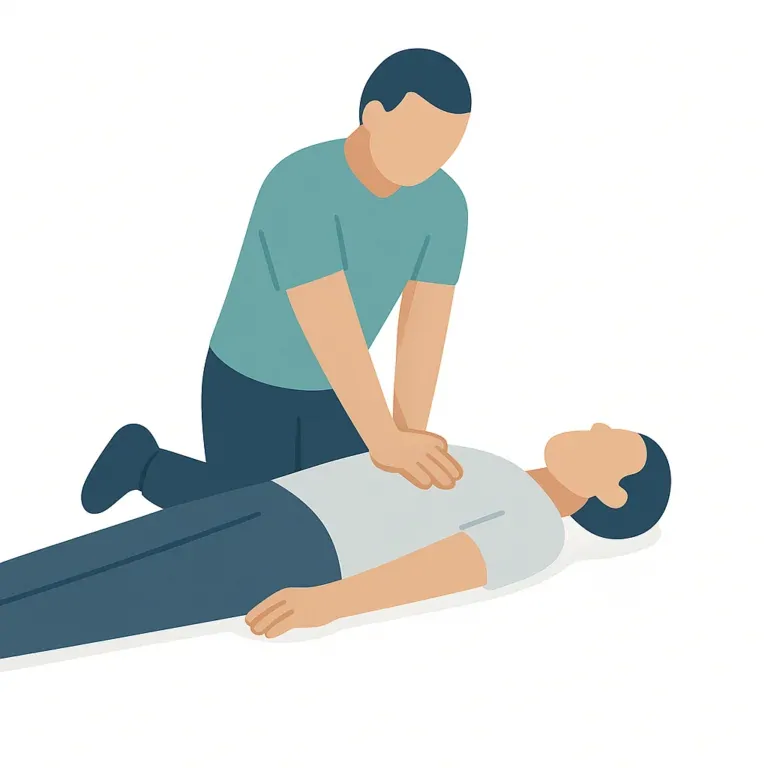
Illustration of Cyanosis

Cyanosis is a crucial sign to recognize when someones skin or lips turn a bluish color due to low oxygen in the blood, especially during emergencies like choking or asthma attacks. Knowing about cyanosis can help you act fast and get the right help when it matters most.

Capillary Refill Time

Illustration of Capillary Refill Time

Capillary refill time is a quick and easy test that shows how well blood is flowing through the tiny vessels near the skin, helping first aiders and health workers spot serious issues like shock or dehydration fast. Just a gentle press on the nail bed reveals a lot about your heart and circulation without any tools needed!