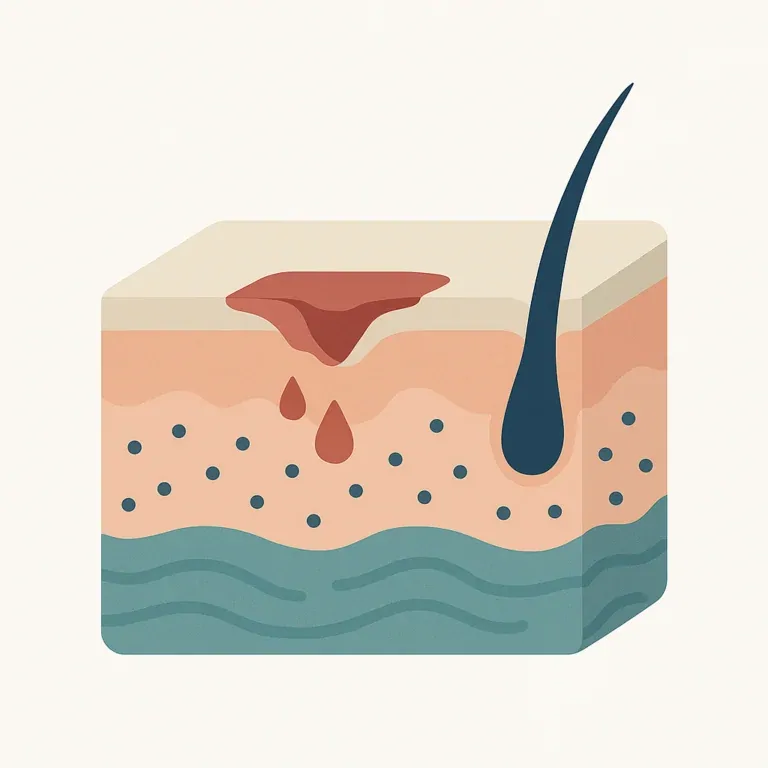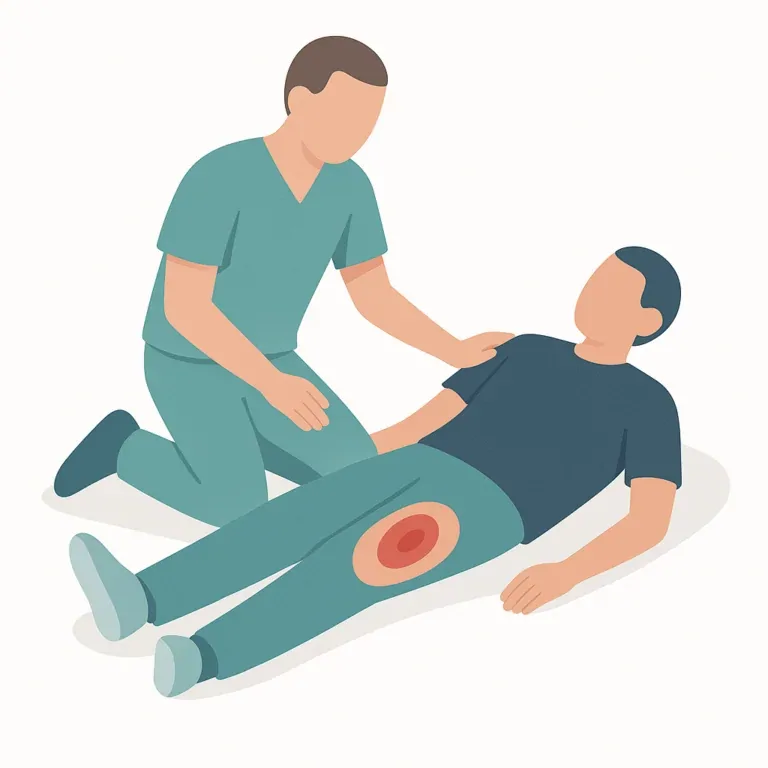


Capillary Refill Time is a simple way to check how well blood is flowing through the small blood vessels near the skin. These tiny blood vessels are called capillaries. When some part of the body is pressed gently, the blood is pushed out of these capillaries, making the skin look pale. When the pressure is released, the blood should come back quickly, making the skin return to its normal colour. The time it takes for the colour to come back is called the capillary refill time.
This test can help show how well someone’s heart and circulation are working. It is often used by first aiders and health workers to check if a person might have problems like shock or dehydration. Shock happens when the body does not get enough blood flow, which means important parts like the heart, brain, and organs may not get the oxygen and nutrients they need.
Capillary refill time is important because it is a quick and easy way to get information about a person’s condition without using any tools or equipment. It can help decide if someone needs medical help right away or if they may be okay to wait for care. It is also useful when checking babies and children since they can get sick quickly.
To check the capillary refill time, a first aider presses on the nail bed or the skin of a finger or toe until the colour fades. Then, they watch how long it takes for the normal colour to return after lifting the finger. In a healthy person, the colour should return in less than 2 seconds. If it takes longer, it might mean the body is not sending blood to the skin as well as it should.
There are a few things to keep in mind when checking capillary refill time. Cold weather or an injury to the part of the body being tested can make the refill time longer, even if the person is generally okay. Also, some health conditions like dehydration, bleeding, or circulation problems can affect the test.
You can use capillary refill time along with other signs to get a better idea of what is happening. If a person looks pale, feels weak, is breathing quickly, has a fast or weak pulse, or seems confused, they might have a serious problem that needs urgent care.
When to call 000
If you notice a long capillary refill time and worry that the person may be in shock or very sick, it is important to act quickly. Call emergency services in Australia by dialing 000. Explain the situation calmly and follow any advice given by the operator. While waiting for help, try to keep the person comfortable and warm.
Summary
Remember, capillary refill time is just one tool to help check someone’s health. It is not a full diagnosis but can give important clues. If you are unsure about a person’s condition, it is always safer to get professional help.
Why it matters in first aid
In summary, capillary refill time is a simple test that looks at how fast blood returns to the skin after pressing down. It tells us about blood flow and circulation. It helps first aid responders decide how serious a situation might be. Knowing about this test can give you confidence in an emergency and help you protect the people around you.
Sources reviewed
Reviewed against current Australian first aid, emergency and public-health guidance by the First Aid Glossary Editorial Team. This article is general information and does not replace emergency-operator directions, professional medical advice or hands-on first aid training.