
Dental injury definition
A dental injury (or dental trauma) is damage to the teeth, gums, lips, tongue, jaw or supporting structures after a fall, blow, collision, hard bite or sporting incident. First aid protects the person’s airway, controls bleeding, reduces swelling and preserves any tooth fragment for a dentist. A painful, chipped, loose or displaced tooth should always be assessed by a dentist, even when the mouth looks mostly normal.
Teeth can be damaged beneath the surface, and a delay can affect the chance of saving a tooth or avoiding infection. The most important distinction is between a broken or loose tooth and a permanent adult tooth that has come completely out. A knocked-out permanent tooth is time-critical; follow the separate Knocked-Out Tooth guide and seek an emergency dentist or hospital quickly.
Start with safety and the airway
After a facial or mouth injury, check whether the person is awake and breathing normally. Look for severe bleeding, trouble breathing, trouble swallowing, a swollen tongue or mouth, a suspected broken jaw, significant head injury or a person who is becoming drowsy or confused. Call Triple Zero (000) for an ambulance in these emergencies.
If there is blood in the mouth, sit the person upright and leaning slightly forward so blood can drain out rather than being swallowed. Encourage them to spit blood gently into a bowl or cloth. Do not lie a person flat after an active mouth injury unless you need to manage an unconscious person’s airway. Avoid putting fingers into the mouth unless necessary for immediate safety.
Put on disposable gloves if available. This protects both the first aider and injured person from blood exposure. A clean dressing or cloth can be used to apply gentle direct pressure to bleeding gums, lips or tongue. If bleeding remains heavy or does not settle with pressure, seek urgent medical help.
Chipped or broken tooth first aid
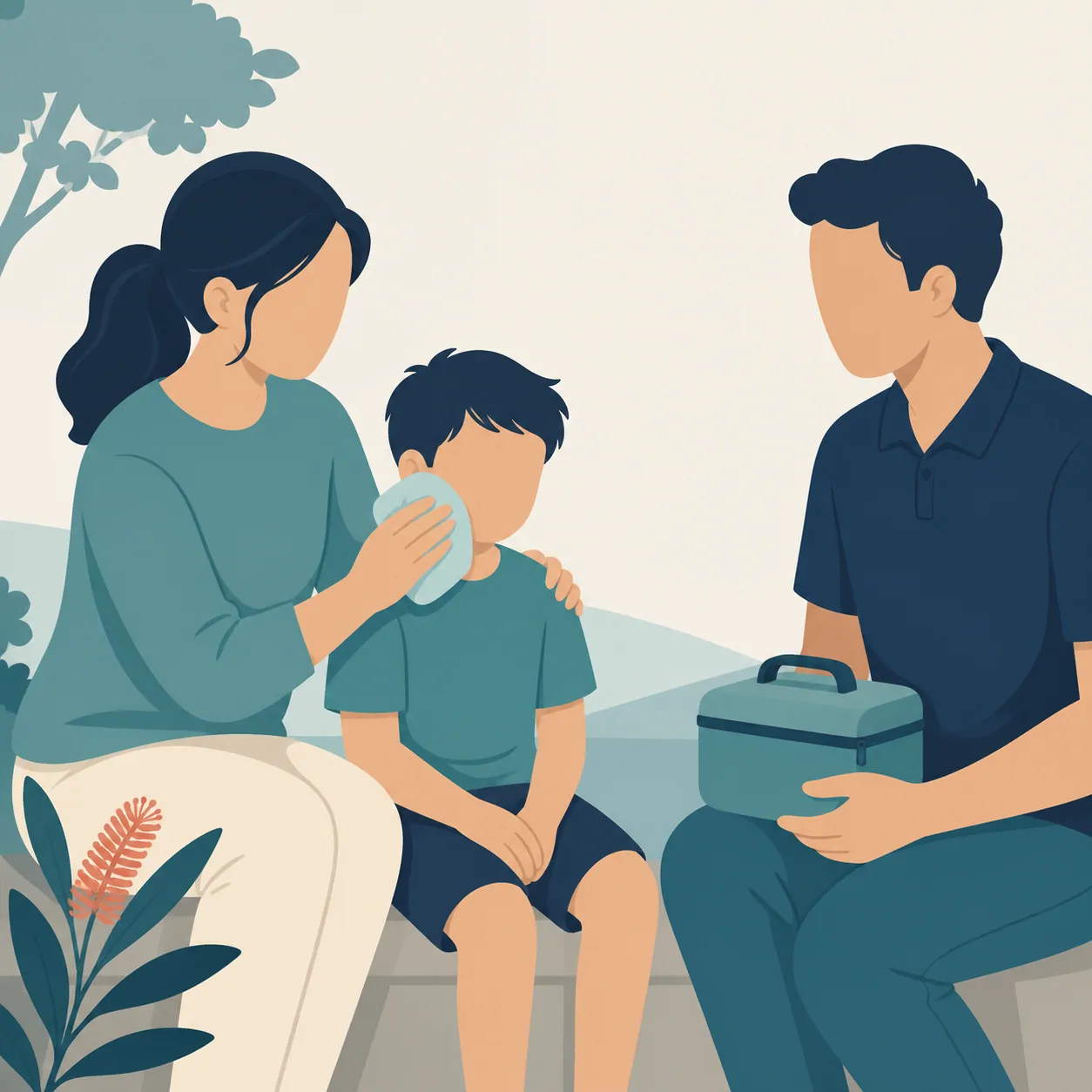
Find any broken tooth fragment if you can do so safely. Handle it gently and store it in milk or sterile saline solution for the dentist. Do not scrub the fragment, wrap it in tissue until it dries out or throw it away because it appears small. A dentist may be able to use the piece in treatment.
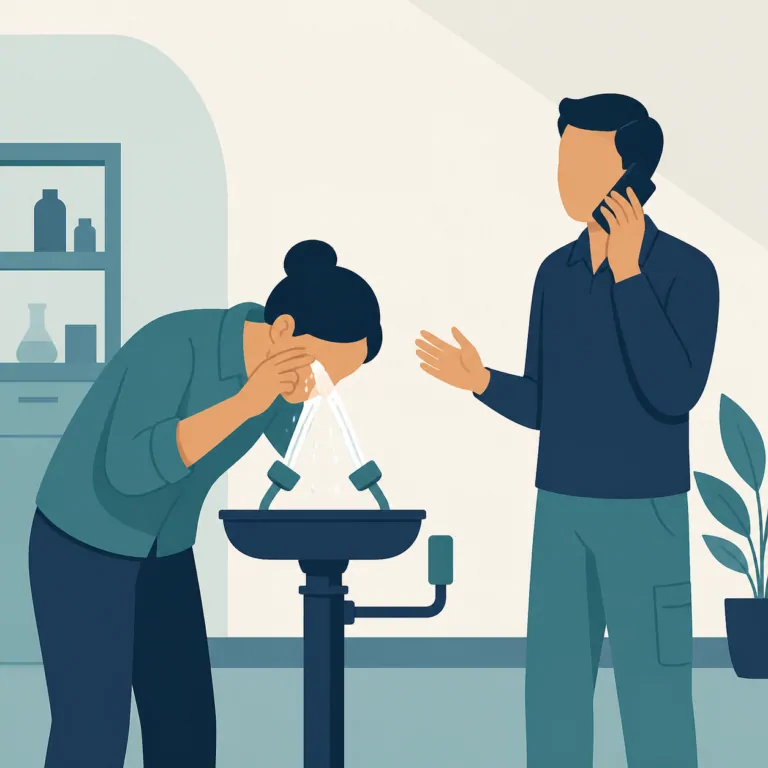
Rinse the mouth gently with clean water to remove loose blood and debris, taking care not to forcefully swish. Use a cold compress wrapped in a cloth on the outside of the cheek for short periods to help swelling and pain. Do not put ice directly on skin or place a hot pack on a fresh injury.
Cover a sharp edge temporarily with dental wax only if a dentist or pharmacist advises and it can be done without pressing anything into the gum. Do not try to file, glue or repair the tooth at home. Household glue and improvised fillings can cause harm and make professional treatment more difficult.
Arrange a dental appointment as soon as possible. A small chip may not be an ambulance issue, but it still needs assessment for cracks, nerve exposure or damage to the tooth root.
Loose or displaced tooth
A tooth that feels loose, has moved position or changes the bite after an injury needs prompt dental care. Tell the person not to push it back, wiggle it to test it or bite hard to see whether it “feels right.” Avoid hard foods and protect the area from another impact.
Gently rinse the mouth, use a cold compress on the cheek and contact a dentist urgently. A dentist may need to stabilise the tooth or check the supporting bone and gums. Delaying because there is no visible chip can allow a loose tooth to become more damaged.
For a child, the type of tooth matters. Do not try to reinsert a baby tooth that has been displaced or knocked out. It can damage the developing adult tooth. See a dentist for assessment and follow their advice.
Cuts to the lip, tongue or gums
Mouth injuries can bleed a lot because these tissues have a good blood supply. Apply steady direct pressure with a clean pad or cloth. If blood soaks through, add another layer over the first instead of constantly lifting it to check. Keep the person upright and encourage them not to swallow blood.
Seek urgent medical or dental care for a deep cut, a cut that gapes, bleeding that cannot be controlled, a bite wound, a large piece of tissue missing, or injury with trouble breathing or swallowing. Do not use mouthwash, alcohol, peroxide or a home remedy inside an open wound unless a clinician advises it.
For a minor cut that has stopped bleeding, keep the mouth clean and follow professional advice. Soft food, avoiding very hot or spicy foods and gentle oral hygiene may be more comfortable, but an injured child or person with ongoing pain should be assessed.
When to call Triple Zero (000)
Call Triple Zero (000) or go to an emergency department when there is trouble breathing, trouble talking or swallowing, severe swelling, lots of blood going down the throat, severe bleeding, a suspected jaw fracture, a serious facial injury, altered consciousness or an adult tooth that has come completely out. A knocked-out adult tooth is urgent because timely dental care offers the best chance of saving it.
Do not drive yourself if you have a serious facial injury, significant bleeding or feel faint. Stay with the person, monitor their breathing and follow the operator’s instructions.
Pain, food and follow-up
Choose cool, soft foods if the person can chew comfortably and avoid hard, sticky or very hot food that may irritate the injury. Do not let a child chew ice or test a loose tooth. Ask a pharmacist or clinician about pain relief that suits the person’s age, health conditions and other medicines.
Follow all dental instructions, including follow-up appointments. Some consequences of dental trauma appear later: colour change, nerve injury, infection, altered bite or delayed damage to the adult tooth under a baby tooth. Take photos of the initial injury if appropriate and record the time, cause and any missing fragments for the dentist.
Prevention in sport, travel and daily life
Wear a properly fitted mouthguard for contact and collision sports. A custom-fitted mouthguard from a dental professional can provide the best fit; discuss options with a dentist. Helmets and face protection help in some activities but do not replace a suitable mouthguard when one is recommended.
At home, reduce falls and collision risks, supervise young children around hard furniture and use age-appropriate safety equipment for bikes, scooters and play. At a workplace, report hazards that cause falls or facial injuries and make first-aid equipment easy to reach.
For travel or sport events, save the location of local emergency dental services in advance. Dental first aid is easier when there is a clear plan for urgent transport and a small clean container for a tooth fragment.
Related glossary terms
Sources reviewed
- Healthdirect: dental injury
- Healthdirect: mouth and tongue cuts
- Australian Dental Association: Teeth
- Healthdirect: first aid basics
Reviewed against Australian first aid and emergency guidance by the First Aid Glossary Editorial Team. This article is general information and does not replace emergency services, professional medical advice or hands-on first aid training.