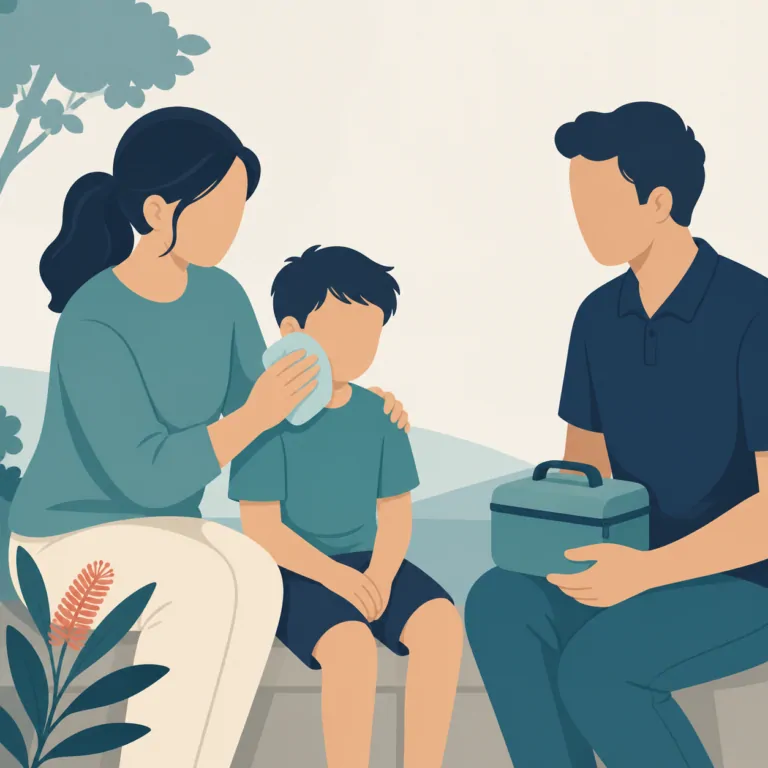


Concussion is a mild traumatic brain injury caused by a blow or jolt to the head or body. Even when the outside of the head looks normal, the brain can still be affected.
What is a concussion?
This injury happens when the brain is shaken inside the skull. It can affect thinking, memory, balance, mood, and how a person feels for a period of time after the hit.
A concussion is a type of Head Injury, but it is used more specifically for a brain injury caused by movement or impact.
What signs might you see?
Common signs can include:
- headache
- dizziness
- confusion
- feeling sick or vomiting
- balance problems
- blurred vision
- memory problems
- feeling slow or “not right”
- unusual tiredness
Some people lose consciousness, but many do not.
When should you get urgent help?
Call 000 or seek urgent medical help if the person:
- becomes hard to wake
- becomes more confused
- has repeated vomiting
- has a seizure
- has worsening headache
- becomes Unresponsive
- has weakness, slurred speech, or other concerning neurological signs
These red flags may point to something more serious than a simple concussion.
What should you do in first aid?
- Stop the activity and keep the person safe.
- Check responsiveness and breathing.
- Watch for red-flag symptoms.
- Seek medical assessment, especially if symptoms are worsening or not settling.
- Use CPR or the Recovery Position if the person becomes unresponsive and needs emergency care.
Is concussion the same as being knocked out?
No. A person can have a concussion without losing consciousness.
Being knocked out is one possible sign of a concussion or a more serious head injury, but it is not required for the diagnosis.
Why do alertness checks matter?
Changes in alertness and thinking are one reason concussion needs to be taken seriously. Simple checks such as AVPU or a broader Neurological Assessment can help show whether the person seems normal, confused, or less responsive than they should be.
In more serious situations, professionals may use the Glasgow Coma Scale.
Quick answer
Concussion is a mild traumatic brain injury caused by a blow or jolt to the head or body. It can cause headache, dizziness, confusion, and other symptoms, and it should be taken seriously because some head injuries can worsen over time.
Sources reviewed
- Healthdirect: head injuries
- Healthdirect: HeadCheck concussion support
- Triple Zero: official emergency calling guidance
Reviewed against Australian first aid and emergency guidance by the First Aid Glossary Editorial Team. This article is general information and does not replace emergency-operator directions, professional medical advice or hands-on first aid training.