
Abdominal injuries happen when someone hurts the area between their chest and hips. This part of the body is called the abdomen. It holds important organs like the stomach, liver, intestines, and kidneys. These organs help with digestion, cleaning the blood, and other jobs that keep us healthy. When the abdomen is hurt, these organs can be damaged, which can be very serious.
In first aid, abdominal injuries need careful attention. The injury might be from a fall, a bump, a car accident, or a sharp object like a knife. Sometimes the skin breaks, but other times the injury is inside, and you might not see it right away. This is why it is important to know the signs and take the right actions.
What Happens in an Abdominal Injury
When the abdomen is injured, the muscles and organs inside can get bruised, cut, or broken. Sometimes blood leaks inside the belly. This can cause pain and swelling. The person might look very unwell because the body is hurt inside. If the blood vessels are damaged, the person can lose a lot of blood, which is dangerous.
In some cases, the injury might cause the organs to push through the skin if there is a deep cut. This is called an open abdominal injury, and it needs quick first aid.
Signs You Might See
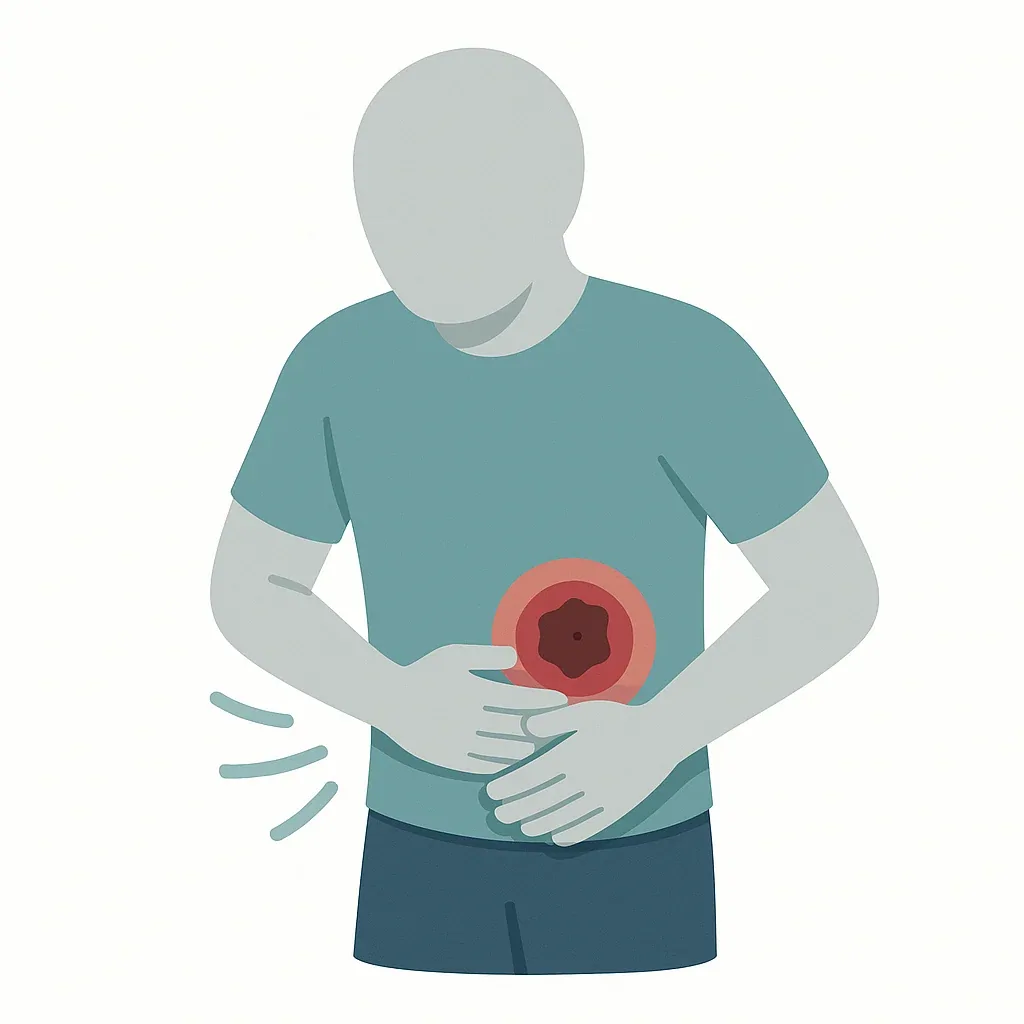
If someone has an abdominal injury, they might feel pain in their belly. The pain could be mild or very strong. It might hurt more if they move or breathe deeply. The tummy could look swollen or hard. Sometimes the skin might be bruised or have cuts.
The person might feel sick or vomit. They could also feel dizzy or weak. These signs may mean the injury is serious. If the person loses consciousness or seems very confused, it is an emergency.
First Aid and Safety
If you think someone has an abdominal injury, first try to stay calm. Make sure the person stays still. Moving too much might make the injury worse.
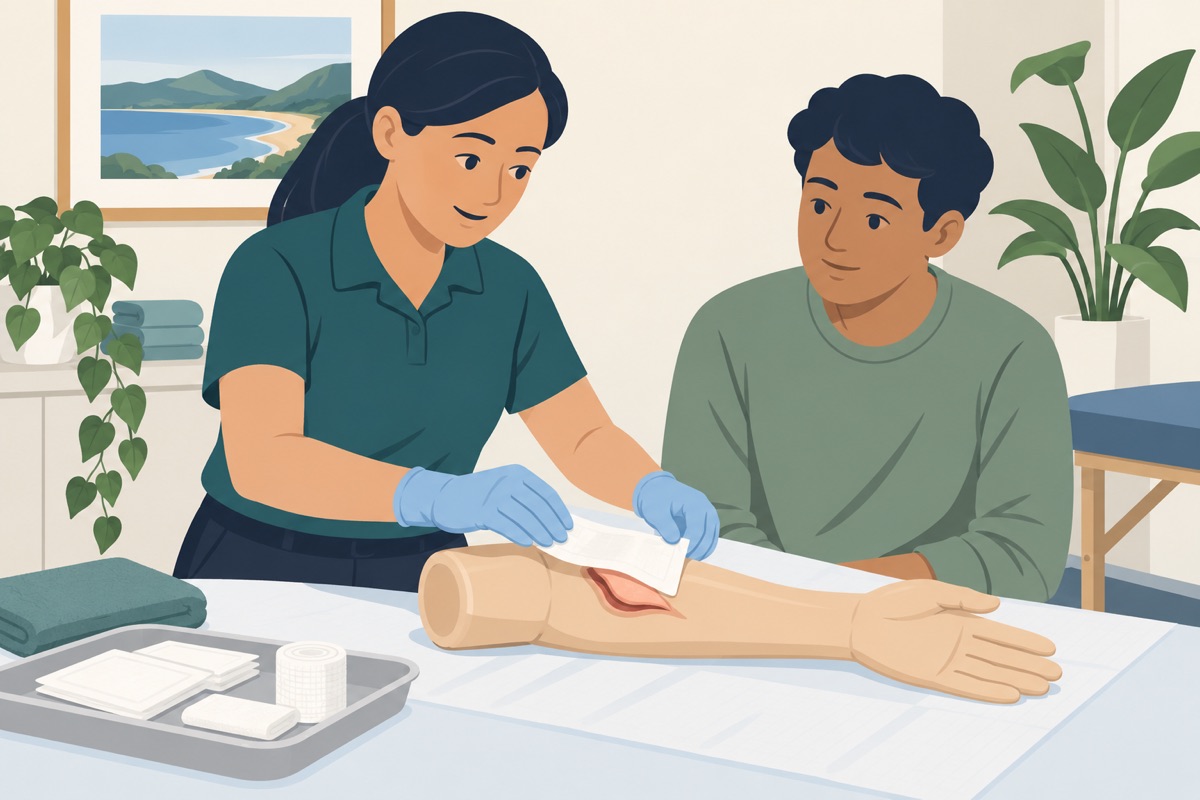
Do not press on the injury or try to push any organs back inside if they are sticking out. Cover the injury with a clean cloth or loose dressing to keep it clean and stop dirt from getting in.
If the person feels sick, is vomiting, or shows serious signs like trouble breathing or losing consciousness, call emergency services right away. In Australia, the number to call is triple zero, 000.
Try to keep the person warm and comfortable while waiting for help. Do not give them food or drinks. This is important because surgery or other medical treatment might be needed.
When to Call for Help
Always call 000 if the person has an open wound with organs showing, severe pain, swelling, or signs of shock. Shock happens when the body is not getting enough blood. The person may feel weak, cold, sweaty, or have a fast heartbeat. Shock is very serious and needs emergency care.
If you are not sure how serious the injury is, it is better to call 000 and get help. Emergency workers can give advice over the phone and send medical help if needed.
Why Knowing This Matters
Abdominal injuries are harmful and can become life-threatening without quick care. Knowing the signs and what to do can save a life. You do not need to do anything dangerous or complicated. Just help the person stay still, keep the injury clean, and call for emergency help if needed.
Remember, your safety is important too. Make sure the area is safe before helping. If the injury happened in a risky place, like near traffic or fire, wait for professionals if it is unsafe.
In summary, abdominal injuries involve the area where many important organs are. They can be caused by accidents or sharp objects. First aid is about keeping the injured person safe, comfortable, and making sure they get medical help quickly. Calling 000 in serious situations is the best choice.
By understanding abdominal injuries and how to respond, you can help someone in need and possibly save their life. Stay calm, act carefully, and seek help fast.
Related glossary terms: Internal Bleeding and Trauma Assessment.
Sources reviewed
Reviewed against current Australian injury, first aid and emergency guidance by the First Aid Glossary Editorial Team. This article is general information and does not replace emergency-operator directions, professional medical advice or hands-on first aid training.