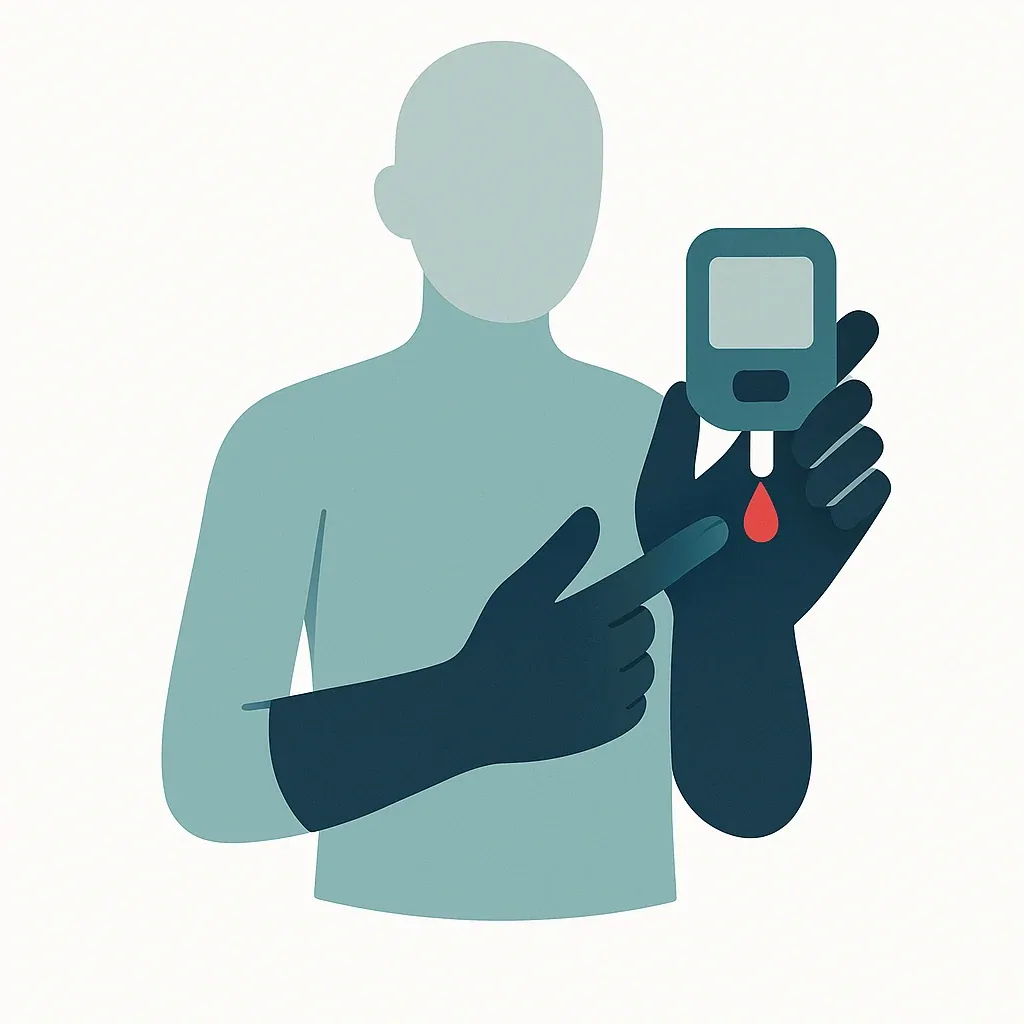

Diabetes is a health condition that affects how the body uses sugar from food. Normally, the body changes sugar into energy with the help of a hormone called insulin. Insulin acts like a key that opens the cells in the body so sugar can go in and give energy. In diabetes, the body either does not make enough insulin or does not use it properly. This means sugar stays in the blood instead of going into the cells.
Diabetes is important to understand in first aid because people with this condition can sometimes have emergencies. Their blood sugar levels might get too high or too low, which can make them feel unwell or even cause serious problems. Knowing how diabetes works helps you stay calm and give the right kind of help if someone needs it.
What is Diabetes?
When we eat food, especially things like bread, rice or fruit, the body changes it into a sugar called glucose. Glucose gives the body energy to work and play. Insulin is a special chemical made by the pancreas, a small organ near the stomach. Insulin helps move glucose from the blood into the body’s cells.
In diabetes, the body has trouble with insulin. There are two main types of diabetes. Type 1 means the body does not make enough insulin at all. Type 2 means the body does not respond well to insulin, even if some is made. Both types cause blood sugar to be higher than normal.
High blood sugar over time can hurt the body. It can cause problems with the eyes, heart, kidneys and nerves. This is why it is important to keep blood sugar levels balanced.
What Happens in a Diabetes Emergency?
Sometimes blood sugar can become too high or too low. This can cause a person with diabetes to feel sick and need help. Many people might look OK but they are having trouble inside.
When blood sugar is too high, it is called hyperglycaemia. The person may feel very thirsty, need to pee a lot, feel tired, or have blurry vision. They might breathe fast or smell fruity breath. If it gets worse, they may become very sleepy and confused.
When blood sugar is too low, it is called hypoglycaemia. The brain needs sugar to work well. If sugar drops too low, the person may feel shaky, weak, dizzy or sweaty. They may look pale or hungry. They might find it hard to speak clearly or act confused.
Both situations are serious. If not treated quickly, they can cause the person to lose consciousness or even have seizures.
What Might You See and How Can You Help?
If someone is having trouble from diabetes, you might notice changes in how they act or look. They might say they feel strange, weak, or very thirsty. They could suddenly become clumsy, confused or sleepy.
If you know the person has diabetes and they can swallow safely, they might need to eat or drink something sugary to raise their blood sugar quickly. This could be fruit juice, a sugary drink, or glucose tablets if they have them. This is very helpful if their blood sugar is low.
If the person appears very drunk, is unconscious, or cannot swallow safely, do not try to give them food or drink. Instead, call emergency services straight away by dialing 000 in Australia.
It is important to stay with the person while you wait for help. Try to keep them calm and comfortable.
When to Call Emergency Services
Call 000 quickly if:
- The person is unconscious or not waking up – They have a seizure or convulsion – They cannot safely eat or drink – They have trouble breathing or chest pain – You are unsure what to do and feel the situation is serious
- Calling emergency services can save a life. The ambulance workers have the right tools and medicine to help people with diabetic emergencies.
General Safety Tips
If you are around someone with diabetes, it helps to know what signs to watch for. Sometimes the person may ask for help or tell you if they feel off.
Never leave a person with diabetes alone if they feel unwell. Stay with them and offer support.
If you give them sugary food or drink for low blood sugar, make sure they can safely take it by mouth.
Always call for emergency help if you are unsure or if the person’s condition gets worse.
Remember, diabetes is common. Many people live full lives with it. Knowing the basics helps us all stay safe and ready to help when needed.
What to Remember About Diabetes and First Aid
Diabetes means the body struggles to manage sugar properly.
Blood sugar can get too high or too low, causing different symptoms.
Hypoglycaemia (low sugar) can make someone shaky, sweaty, dizzy or confused.
Hyperglycaemia (high sugar) can cause thirst, tiredness, fast breathing, or sleepiness.
If the person is awake and able, giving a sugary snack or drink may help low blood sugar.
Do not give food or drink if they cannot swallow safely or are unconscious.
Call 000 in serious situations, such as unconsciousness or seizures.
Stay calm, stay with the person, and get help as soon as possible.
Understanding diabetes and what to do in emergencies helps save lives. It is good to learn these things so you can help family, friends, or anyone who might need it. Being ready makes all the difference.
Sources reviewed
Reviewed against current Australian first aid and emergency guidance by the First Aid Glossary Editorial Team. This article is general information and does not replace emergency-operator directions, professional medical advice or hands-on first aid training.