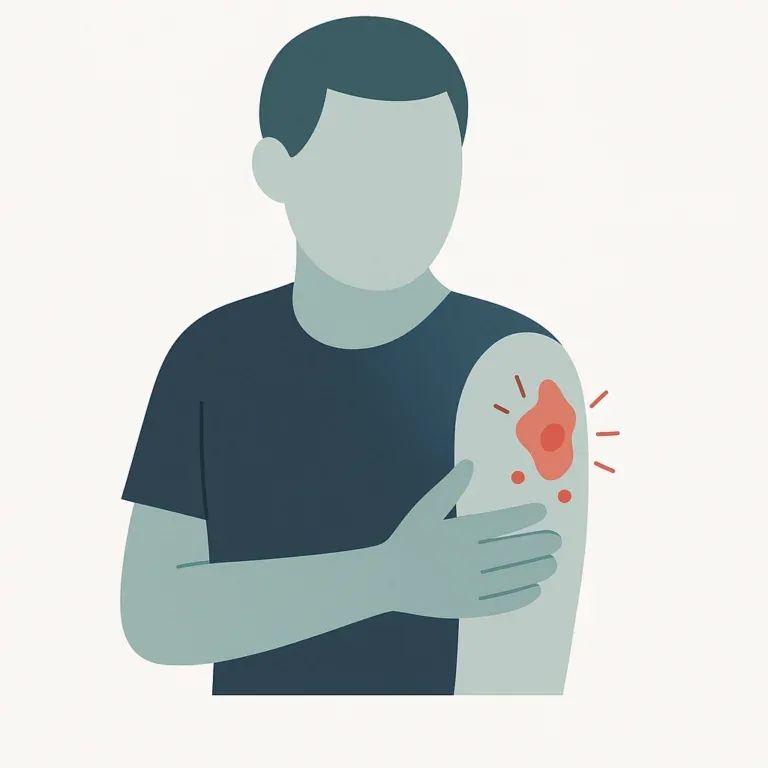


A redback spider bite is usually very painful, but it is not treated the same way as a funnel-web spider bite. In first aid, the main priorities are pain relief, observation, and getting medical help if symptoms are severe or worsening.
What is a redback spider bite?
A redback spider bite happens when a redback bites/" class="fag-auto-link">spider bites through the skin.
Redback bites often cause:
- pain at the bite site
- sweating
- headache
- muscle pain or spasms
The pain can become severe, even if the bite mark itself looks small.
How is a redback bite different from a funnel-web bite?
Redback spider bites are different from Funnel-Web Spider Bite problems.
The key first aid difference is that redback bites are not usually managed with Pressure Immobilisation. Cold-pack pain relief and medical review are usually more relevant.
What should you do in first aid?
If someone may have a redback spider bite:
- Keep them calm.
- Wash the bite area with soap and water.
- Apply a cold pack wrapped in cloth for pain relief.
- Watch symptoms closely.
- Get medical help if the pain is severe, symptoms are spreading, or you are worried.
If the person becomes seriously unwell, seek urgent medical care.
When should you get urgent help?
Get urgent help if the person:
- has severe or worsening pain
- becomes very unwell
- has trouble breathing
- collapses or becomes Unresponsive
- has signs of Anaphylaxis
If severe allergy symptoms appear and a prescribed Adrenaline Auto-Injector is available, use it immediately. If you know the brand, follow the correct steps for EpiPen or Anapen.
If the person is not breathing normally, start CPR.
How is this page different from other spider pages?
This page focuses on redback bites specifically.
- Spider Bites is the broader overview page
- Funnel-Web Spider Bite covers the more dangerous emergency spider-bite pathway
Summary
A redback spider bite is usually very painful and may cause sweating, headache, or muscle symptoms. In first aid, the key steps are cleaning the bite, using a cold pack for pain, watching the person closely, and getting medical help if symptoms are severe or worsening.
Sources reviewed
Reviewed against Australian first aid and emergency guidance by the First Aid Glossary Editorial Team. This article is general information and does not replace emergency-operator directions, professional medical advice or hands-on first aid training.