
- What Happens When Someone Has a Rib Injury
- Signs You Might See or Feel
- Why Rib Injuries Matter in First Aid
- What To Do If You Think Someone Has a Rib Injury
- When To Call Emergency Services
- How First Aid Can Help
- General Safety Tips
- What to Expect at the Hospital
- When to Seek Medical Help After First Aid
- Summary
- Sources reviewed
A rib injury is when one or more of the bones that make up the rib cage are hurt. The rib cage is the set of bones that wrap around your chest and protect your lungs, heart, and other important organs. Rib injuries can happen when a person is hit hard in the chest or falls and lands on their side or front. Sometimes, ribs can get bruised, cracked, or even broken.
Rib injuries are important to understand because the ribs help protect the organs inside the chest. If a rib is broken or badly hurt, it can cause pain and make it hard for someone to breathe. In some cases, rib injuries can also lead to other problems, like damage to the lungs. This is why it is important to know what to look for and how to give first aid if someone has a rib injury.
What Happens When Someone Has a Rib Injury
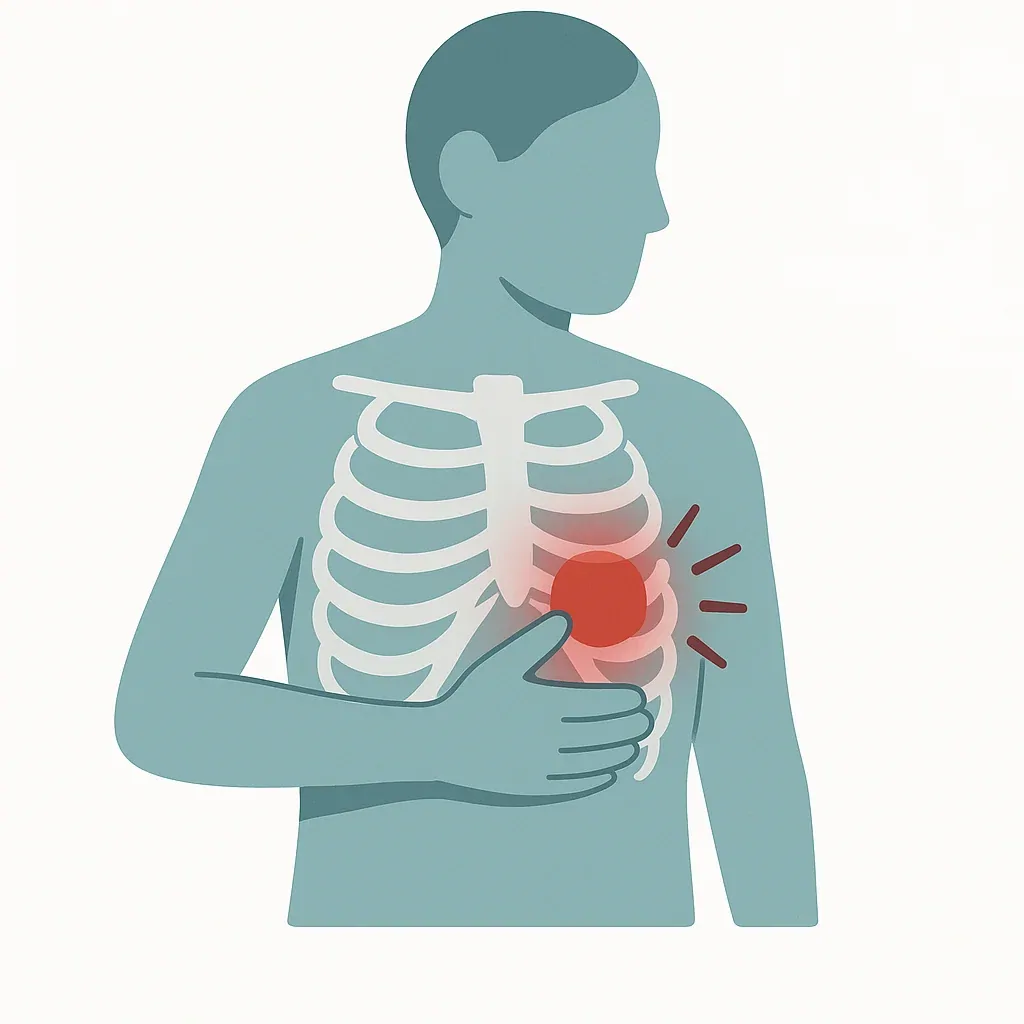
Ribs are curved bones that join to the spine at the back and to the breastbone at the front. They help protect the chest and support breathing by moving slightly when we take a breath in and out.
When a rib is injured, it might be bruised, cracked, or broken. A bruise means the soft tissues around the ribs, including muscles and skin, are hurt but the bone is still whole. A crack or break means the bone itself has been damaged. Broken ribs can sometimes be sharp and move slightly when a person breathes or moves, causing pain.
People with rib injuries usually feel pain in the chest area. The pain may get worse when they take a deep breath, cough, or move around. Sometimes, the skin may be swollen or bruised where the injury happened.
Signs You Might See or Feel
If someone has a rib injury, you might notice several things.
The person might say their chest or side hurts, especially when they breathe in deeply or cough.
They might be holding or pressing the area to try to protect it.
They may have trouble breathing normally because the pain makes it uncomfortable to take full breaths.
You might see bruising or swelling on their chest or side.
In serious cases, the person might feel very short of breath, dizzy, or confused. This could mean the lungs or other important organs have been hurt.
Why Rib Injuries Matter in First Aid
Rib injuries can range from mild to serious. Bruised ribs cause pain but usually heal with rest. Broken ribs may be more painful and increase the risk of damaging the lungs or other parts inside the chest.
When a rib is broken, the sharp bone edges can sometimes poke into the lung. This can cause air to leak into the space around the lung, making it harder to breathe. This is called a pneumothorax. It is a medical emergency because the lung may collapse.
Because the ribs protect important organs, any injury to them should be taken seriously. Proper first aid can help keep the person comfortable and safe until they get medical help.
What To Do If You Think Someone Has a Rib Injury
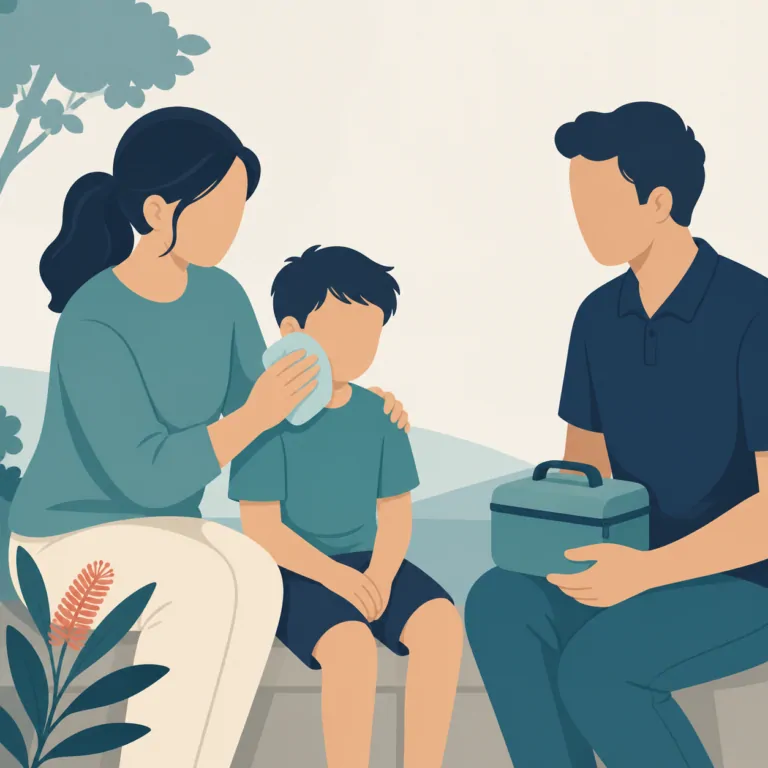
If you think someone has hurt their ribs, the first thing is to help them stay calm and still. Moving too much can cause more pain or injury.
Ask the person how they feel and where it hurts. Check if they can breathe easily. If they have trouble breathing or their skin looks pale or blue, these are signs of a serious problem.
Help the person sit or lie down in a position that is most comfortable for them. Sometimes sitting up and leaning slightly forward helps.
Avoid pressing or putting tight bandages around the chest. This could stop the ribs from moving and make breathing more difficult.
Do not give anything to eat or drink if the person feels very unwell or needs emergency help.
When To Call Emergency Services
It is important to get emergency help by calling 000 if the person:
- Has severe chest pain that does not get better
- Has trouble breathing, gasps for air, or seems very short of breath
- Is coughing up blood
- Feels dizzy, weak, or confused
- Has a deep wound or the chest looks sunken or uneven
- Has other injuries that might be serious
If you are not sure how serious the injury is, it is safer to call 000 and ask for an ambulance. The emergency operator will give you advice on what to do next.
How First Aid Can Help
First aid does not fix the rib injury but helps keep the person as safe and comfortable as possible until professional medical care is available.
You can help by keeping the person calm and still. Encourage slow, gentle breathing to avoid shallow breathing that can cause lung problems.
Watch the person’s breathing and level of alertness. If they get worse or show signs of serious trouble, call emergency services immediately.
Using pain relief, like paracetamol, may help if the person is not allergic and can swallow safely. Be sure to follow the instructions on the medicine package.
Do not give any medicine if the person has a decreased level of consciousness or difficulty swallowing.
Avoid giving anything to eat or drink if the person is seriously injured or vomiting.
General Safety Tips
If the rib injury happened because of a fall or accident, make sure the area is safe before helping. Remove any dangers nearby like traffic or sharp objects.
Do not move the person if you think they could have other injuries, especially to their neck or back, unless it is necessary to keep them safe.
Avoid pressing or binding the chest area.
If you need to move the person for safety, do so gently and carefully.
Encourage the person to see a doctor, even if the injury seems mild. Rib injuries can get worse if not treated properly.
What to Expect at the Hospital
The medical team will check for broken ribs and possible damage to the lungs or other organs. They might use an X-ray or other scans to see the injury.
Treatment depends on how bad the injury is. Most rib injuries heal with rest, pain relief, and time.
If the injury causes serious problems, such as a punctured lung, the person may need special treatment, sometimes including surgery or a hospital stay.
Remember to follow the doctor’s advice for recovery and watch for any new or worsening symptoms.
When to Seek Medical Help After First Aid
Even if the person feels okay after first aid, it is important to get checked by a doctor if:
- The pain stays strong or gets worse
- The person has trouble breathing or coughs up blood
- There is swelling or a hard lump at the injury site
- The person shows signs of infection like redness or warmth around the injury
- For people with other health problems, like lung or heart disease, rib injuries can be more serious. They should get medical advice quickly.
Summary
A rib injury means damage to one or more ribs. This can be a bruise, a crack, or a break. The ribs protect the chest and help with breathing. A rib injury can cause pain and make it hard to breathe properly.
First aid is about helping the person stay calm and comfortable. Watching for serious signs like trouble breathing or coughing up blood is very important. Call emergency services on 000 if the situation looks serious.
Never press or bind the chest tightly, and help the person rest in a comfortable position. Most rib injuries heal with time and care, but some need emergency treatment.
If you think someone has a rib injury, staying calm and calling for help when needed can make a big difference.
Related glossary terms: Chest Injury and Fracture.
Sources reviewed
Reviewed against current Australian injury, first aid and emergency guidance by the First Aid Glossary Editorial Team. This article is general information and does not replace emergency-operator directions, professional medical advice or hands-on first aid training.