
- What Does Altered State of Consciousness Mean?
- Why Is It Important to Recognise?
- Signs You Might See
- What Should You Do?
- Do Not Give Food or Drink
- How Can Altered Consciousness Happen?
- When to Call 000
- Safety Tips for Helping Someone
- How to Watch Someone with Altered Consciousness
- Do Not Leave Them Alone
- How First Aid Helps
- What Altered State of Consciousness Tells Us About Health
- In Summary
- Australian guidance and review
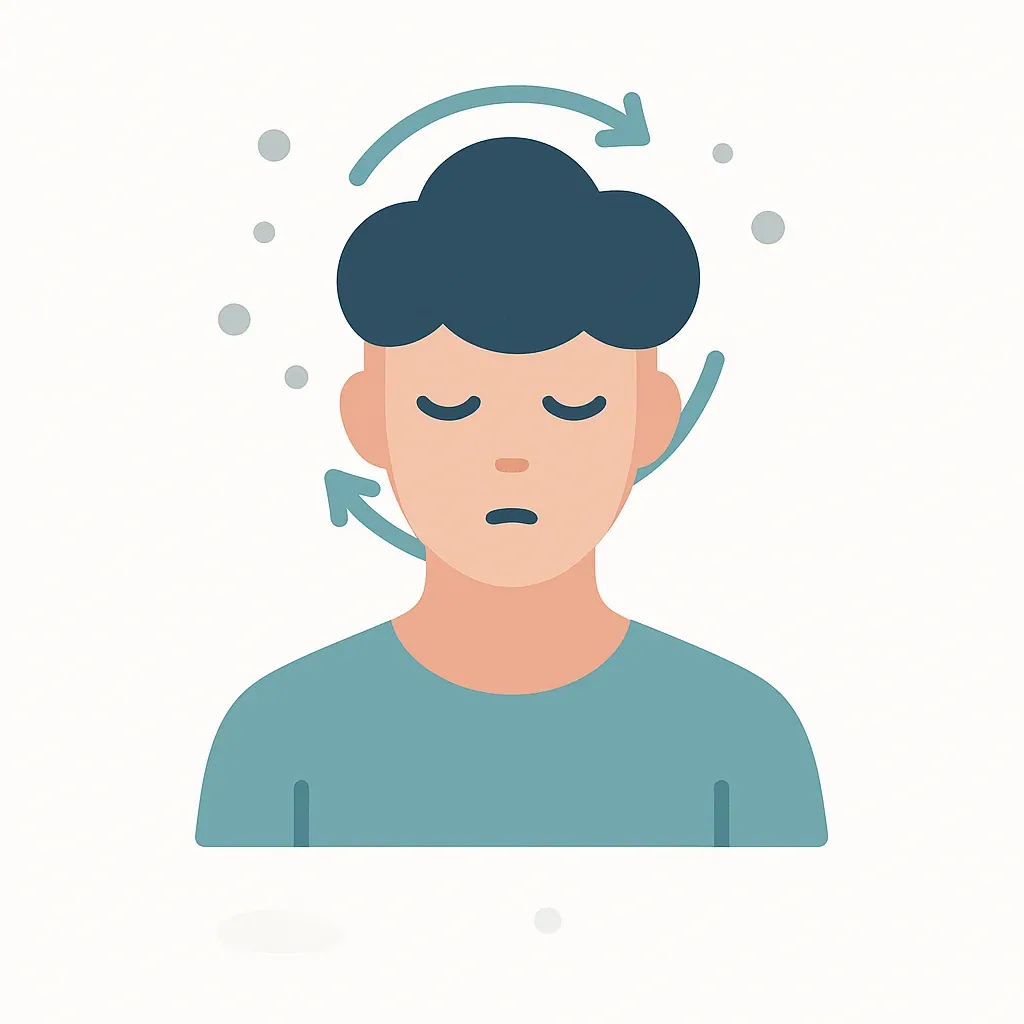
Altered State of Consciousness means when someone’s level of awareness is different from normal. This means the person is not fully awake, alert, or aware of what is going on around them. They might be very sleepy, confused, or hard to wake up. Sometimes, they can be unconscious and not respond to people or things near them.
In first aid, recognizing an altered state of consciousness is very important. It can show that something is seriously wrong with the person’s brain, body, or health. This could be because of a sudden illness, injury, or other causes. Knowing what it means helps you give the right help and make sure the person gets medical attention quickly.
What Does Altered State of Consciousness Mean?
When we talk about consciousness, we mean being awake, aware, and able to respond to the world around us. If someone has an altered state of consciousness, it means their brain is not working in the usual way. They might still be awake but confused, or they might be harder to wake.
This can happen slowly or suddenly. Some examples include being dizzy and confused after hitting your head, feeling very sleepy and not knowing where you are, or being unconscious after an accident.
The person may seem different from normal. They might not answer questions properly or may not realize what is happening. They might look very tired, sleepy, or very shaky.
Why Is It Important to Recognise?
An altered state of consciousness is a warning sign. It means the brain is not getting the oxygen, sugar, or other things it needs to work well. This could be caused by many issues such as a stroke, a low blood sugar level (hypoglycemia), a head injury, an overdose of medicine or drugs, or an infection like meningitis.
If someone has this problem, they may be at risk of stopping breathing or having more serious problems. Recognising the signs early can save their life.
Signs You Might See
Here are some signs that can show a person has an altered state of consciousness:
– Being very sleepy and not easy to wake.
– Not responding when you talk or touch them.
– Being confused about who they are, where they are, or the time.
– Talking nonsense or not making sense.
– Acting strangely or having sudden mood changes.
– Being very still and unable to move.
– Losing consciousness (passing out).
What Should You Do?
If someone seems different and you think their consciousness is altered, try to keep them safe and get help as soon as possible.
First, gently try to wake the person. Call their name or softly shake their shoulder. If they wake up but are confused, stay with them and watch carefully.
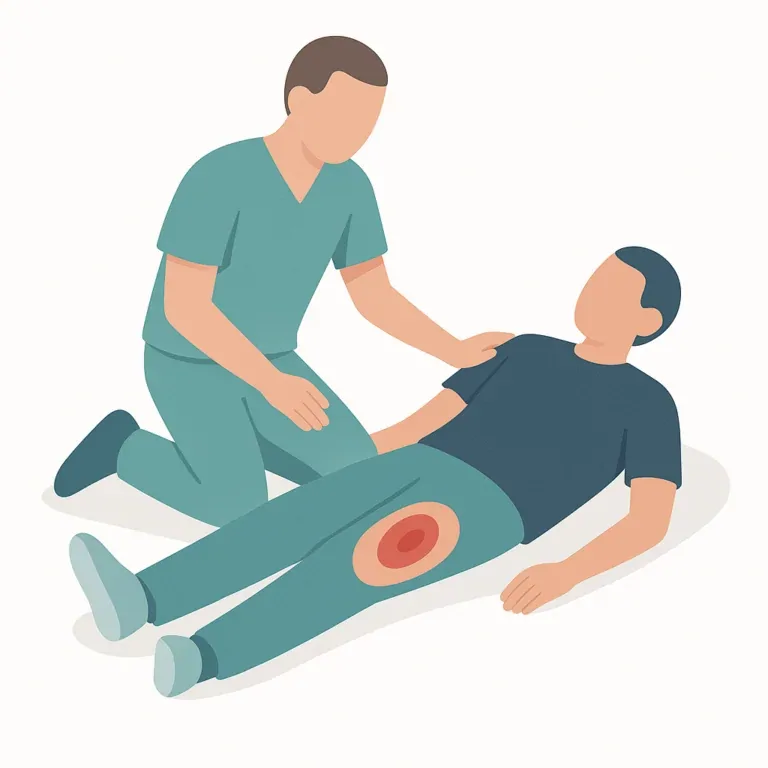
If the person is unconscious and does not wake up, or if they have trouble breathing, call emergency services immediately on 000. This is very important because they need help fast.
Keep the person safe by making sure they do not fall or hurt themselves further. If they are vomiting or there is fluid in their mouth, place them on their side if you can and it is safe. This helps keep their airway clear so they can breathe.
Do Not Give Food or Drink
If the person is drowsy, unconscious, or confused, do not give them anything to eat or drink. They might choke if they cannot swallow properly.
How Can Altered Consciousness Happen?
Many things can cause a person’s consciousness to change, including:
– Head injury from a fall, accident, or blow to the head.
– Stroke, when blood flow to the brain is blocked or there is bleeding.
– Low blood sugar, often seen in people with diabetes.
– Infections affecting the brain or body.
– Overdose of medicines, drugs, or alcohol.
– Severe allergic reactions.
– Heat stroke or severe dehydration.
– Seizures.
Remember, you don’t need to know the exact cause right away. Your job is to keep the person safe and get help if they are not fully awake or are having trouble.
When to Call 000
Call 000 immediately if the person:
- Is unconscious and cannot be woken. – Is having trouble breathing or stops breathing. – Has a seizure or convulsions. – Has a head injury and is not fully alert. – Is confused or acting very strangely. – Is very sleepy and hard to wake. – Has chest pain, severe headache, or weakness on one side of the body.
- Calling 000 quickly can get an ambulance to the person. The ambulance staff can provide important treatments right away.
Safety Tips for Helping Someone
Always protect yourself and the person. If the person is in danger, like nearby traffic or fire, move them only if it is safe to do so.
Try to stay calm and speak in a gentle, clear voice. Ask for help from others if you can.
If you are not sure what to do, calling 000 for advice is always a good step.
How to Watch Someone with Altered Consciousness
Keep checking on the person while waiting for help. See if they get better, stay the same, or get worse.
Note if they start to breathe normally, wake up, or say something.
If they get worse or are harder to wake, call emergency services again.
Do Not Leave Them Alone
Stay with the person until medical help arrives. This helps you notice any changes fast.
How First Aid Helps
First aid for someone with altered consciousness is about making sure they can breathe and are safe. It is not about trying to give medicine or do complicated treatments.
Making sure their airway is open and they are breathing well is most important.
If they stop breathing, giving CPR (chest compressions and breaths) can save their life. But only do this if you know how.
What Altered State of Consciousness Tells Us About Health
This condition shows that the brain needs help. The brain controls everything in our body. When it is not working right, the whole body can be in danger.
Getting medical help fast means the person has a better chance to get better.
In Summary
Altered state of consciousness means someone is less awake or aware than usual. It is a serious sign that the brain may be missing oxygen, sugar, or may be injured.
If you notice someone is very sleepy, confused, or unconscious, it is important to act quickly.
Calling 000 when the person cannot wake up or has trouble breathing is vital. Keeping them safe and watching their breathing while waiting for help is part of good first aid.
Remember, your calm actions can make a big difference for someone in need. Helping the person receive medical care quickly may save their life or prevent serious harm. So always take altered consciousness seriously and get help as soon as you can.
Australian guidance and review
This page was reviewed against current Australian first aid guidance in August 2026. For an unresponsive person who is breathing normally, ANZCOR advises placing them on their side, keeping the airway open, calling an ambulance and continually checking their condition. If they are not breathing normally, follow the basic life support flowchart.
- ANZCOR Guideline 3: Recognition and First Aid Management of the Unconscious Person
- Healthdirect: How to perform CPR
This information is for general first aid education and does not replace emergency advice. In Australia, call Triple Zero (000) in an emergency.