
- What is Blood Loss?
- Why is Blood Loss Important in First Aid?
- What Happens in the Body During Blood Loss?
- Signs You Might Notice with Blood Loss
- How to Help Someone Losing Blood
- When to Call Emergency Services
- General Safety Tips with Blood Loss
- What If the Blood Loss Is Small?
- Summary
- Sources reviewed
Blood loss means losing blood from your body. This can happen if you get hurt and your skin breaks open, causing blood to flow out. Blood loss is important to understand because your blood carries oxygen and nutrients to your body. If too much blood is lost, your body cannot work properly and you might feel very unwell or even go into shock.
What is Blood Loss?
Blood is the red liquid inside your body that moves through your blood vessels. It helps carry oxygen from your lungs to all parts of your body and takes away waste products. Blood also helps fight infections and heal wounds.
When you get a cut or injury that breaks your skin, blood can leak out. This is called blood loss. Some blood loss is normal and your body can fix small wounds by healing them. But if a lot of blood comes out quickly, this can be dangerous.
You might see bright red blood flowing or dripping from a wound. Sometimes the blood is dark or looks like clots. The amount and speed of blood loss depend on the type of injury.
Why is Blood Loss Important in First Aid?
When someone is losing blood, the first job is to stop the bleeding. The longer a person loses blood, the harder it is for their body to work.
Blood loss can make someone feel weak, dizzy, or tired. They might feel cold or sweaty. If blood loss is very bad, it can make them faint or unconscious. This can be life-threatening.
Knowing how to help someone who is losing blood is an important part of first aid. It can save their life by preventing too much blood to be lost. First aid also helps keep the person calm and comfortable until more help arrives.
What Happens in the Body During Blood Loss?
When you lose blood, your body tries to fix the problem right away. Blood vessels nearby get smaller to reduce blood flow. Tiny cells in your blood called platelets come to the wound to help stop bleeding by making clots.
However, if you lose a lot of blood fast, your body cannot keep up. Your heart has to pump harder to send enough blood to your brain and organs. Your blood pressure may drop, and your body starts to shut down parts that are not as important to save the brain and heart.
Because of this, large blood loss is very serious and needs quick help.
Signs You Might Notice with Blood Loss
If someone is losing blood, you might see blood flowing from a cut or injury. Sometimes this is easy to spot. Other times the bleeding might be inside the body, which can be harder to see.
Other signs of blood loss include:
- Feeling dizzy or faint
- Weakness or feeling very tired
- Pale skin or looking pale and sweaty
- Fast heartbeat or breathing
- Cold hands or feet
- Confusion or feeling unsure
- Feeling thirsty
- If you notice these signs after an injury, it is important to act quickly.
How to Help Someone Losing Blood
The main goal is to stop the bleeding and keep the person safe.
You can help by:
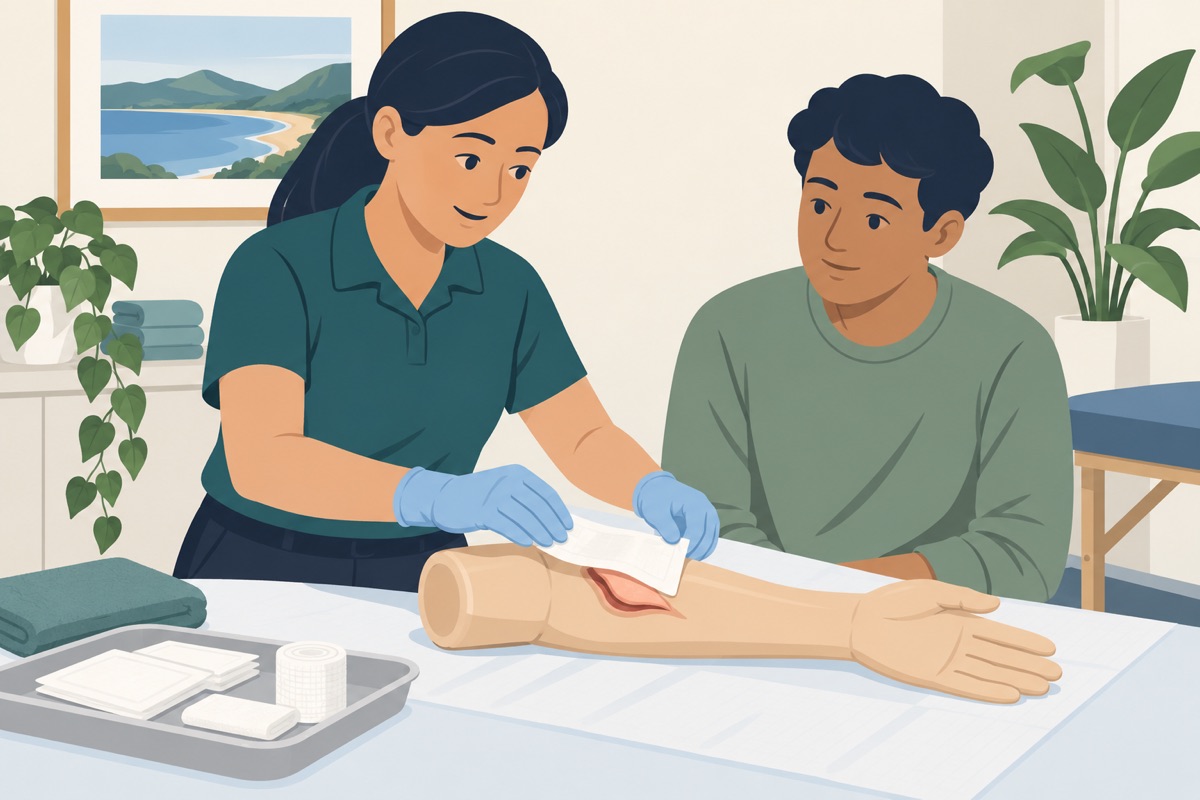
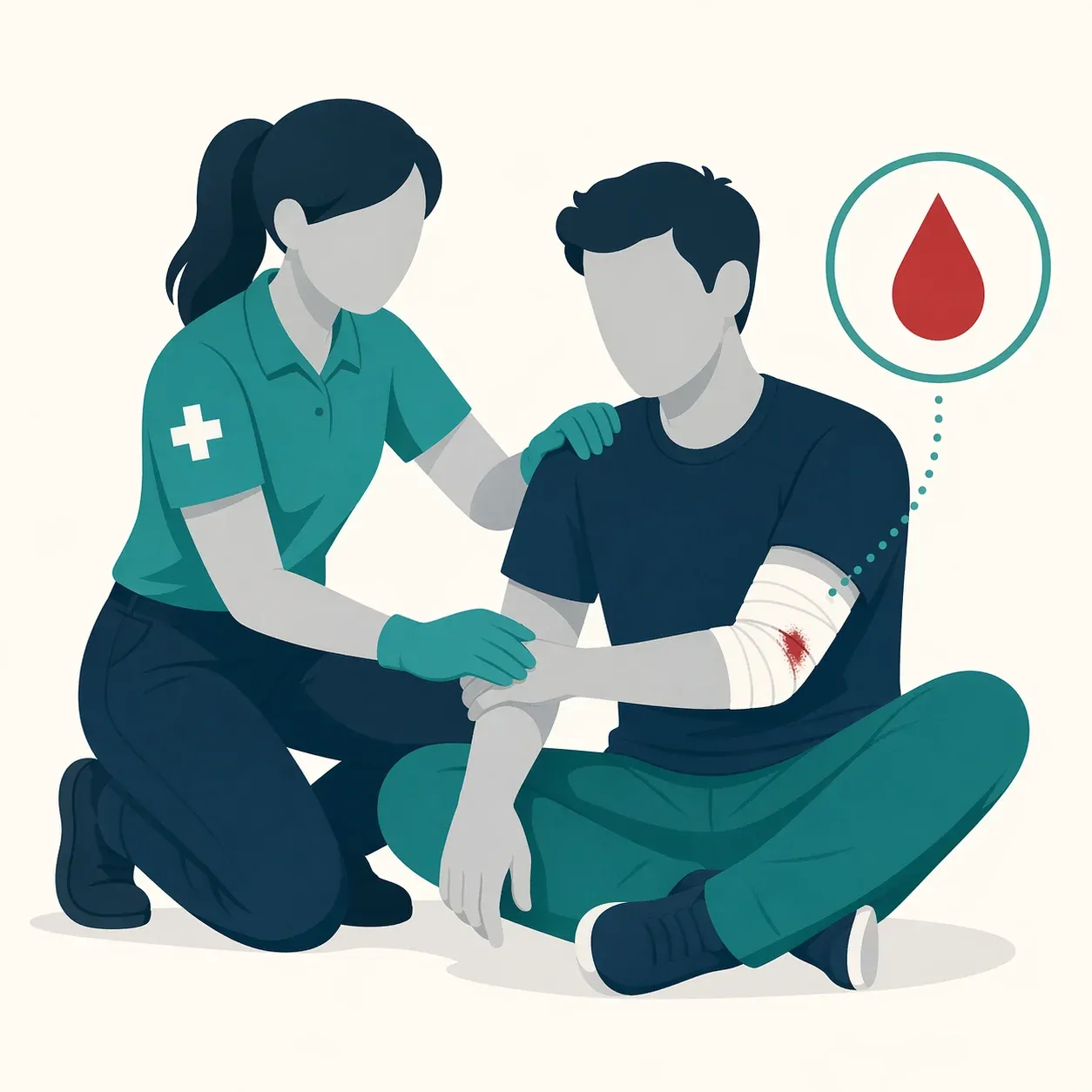
- Pressing firmly on the wound with a clean cloth or bandage. This pressure helps the blood to clot and stop flowing.
- Keeping the injured part raised above the heart if possible. This can reduce bleeding too.
- Keeping the person calm and still to avoid making the bleeding worse.
- Covering the person with a blanket to keep them warm.
It is important to wear gloves if you have them, or use something to avoid touching blood directly. This helps keep you safe from infections.
When to Call Emergency Services
If the bleeding is heavy and does not stop with pressure, you should call 000 immediately. This is the emergency number in Australia.
Also call emergency help if:
- The person is losing a lot of blood quickly
- The person looks very weak, confused, or is unconscious
- The wound is deep or caused by a serious accident
- The bleeding is from the head, neck, or large blood vessels
- You are unsure how serious the injury is
- Emergency services can send trained medical help quickly. While waiting for help, keep applying pressure and supporting the person.
General Safety Tips with Blood Loss
Always make sure the area is safe before helping someone. If there is danger like traffic, fire, or electricity, bring the person to safety if you can do so safely.
Avoid touching blood or body fluids directly. Use gloves or something like a plastic bag or cloth if gloves are not available.
Never remove objects stuck in a wound. Instead, press around the object to control bleeding.
If you are unsure of what to do, call 000 for advice.
Remember, quick action can save lives.
What If the Blood Loss Is Small?
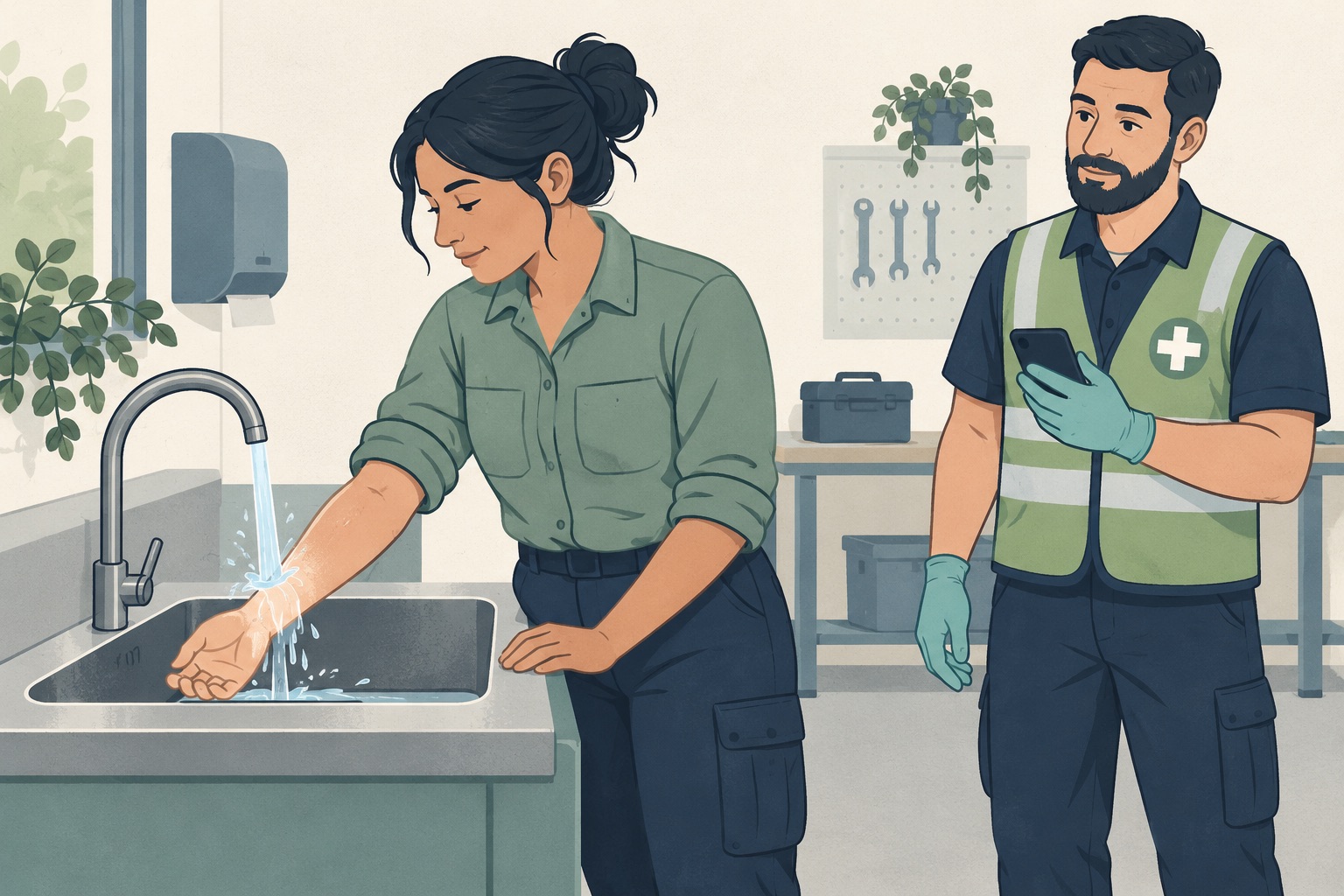
Not all blood loss is a big emergency. Small cuts or scrapes may bleed a little but usually stop on their own or with simple first aid.
You can clean small cuts gently with water and cover with a bandage to keep clean.
Keep watching for any signs of infection like redness, swelling, or pus.
If the cut keeps bleeding for a long time or is deep, seek medical advice.
Summary
Blood loss means losing blood from the body through a wound or injury. It is important because blood carries oxygen and keeps the body working well.
Too much blood loss can be very dangerous. Signs include bleeding, feeling dizzy or weak, pale skin and confusion.
First aid aims to stop bleeding, protect the person, and get help fast.
Press firmly on wounds, keep the injured part raised, and call 000 for serious bleeding or if the person is very weak.
Keep safe while helping and get medical help quickly if needed.
Knowing what blood loss is and how to respond helps protect the life of someone who is hurt.
Sources reviewed
- Healthdirect: wounds, cuts and grazes
- ANZCOR Guideline 9.1.1: First aid for management of bleeding
- Triple Zero: official emergency calling guidance
Reviewed against Australian first aid and emergency guidance by the First Aid Glossary Editorial Team. This article is general information and does not replace emergency-operator directions, professional medical advice or hands-on first aid training.