Anaphylactic Shock
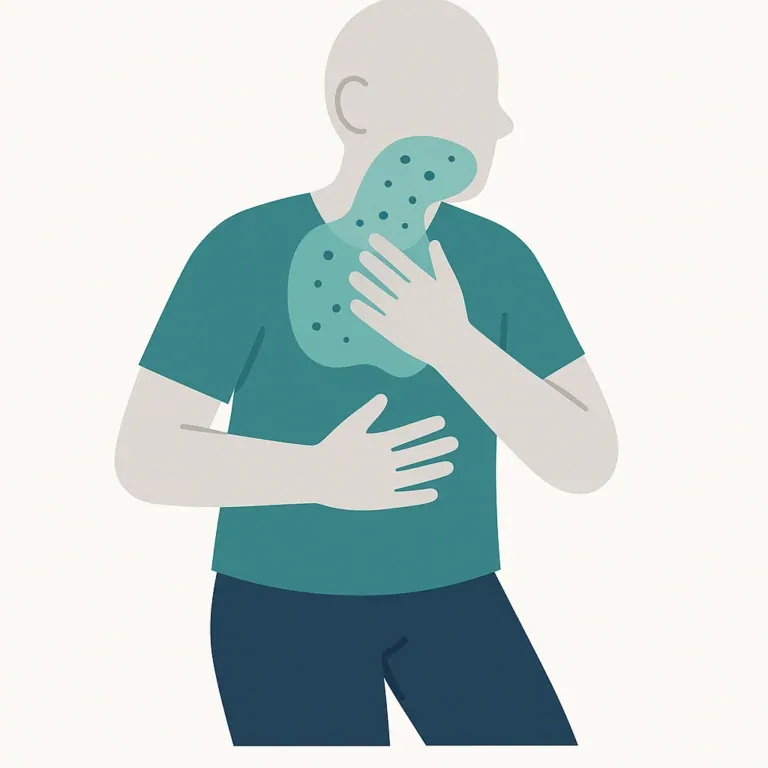
Anaphylactic shock refers to the severe circulatory effects of anaphylaxis. For the main first aid explanation, see our anaphylaxis page.


Anaphylactic shock refers to the severe circulatory effects of anaphylaxis. For the main first aid explanation, see our anaphylaxis page.

A blood pressure emergency is a serious situation where your blood pressure becomes dangerously high or low, risking damage to vital organs and requiring immediate attention to keep your body functioning safely. Understanding the signs and quick actions can make all the difference in protecting your health.
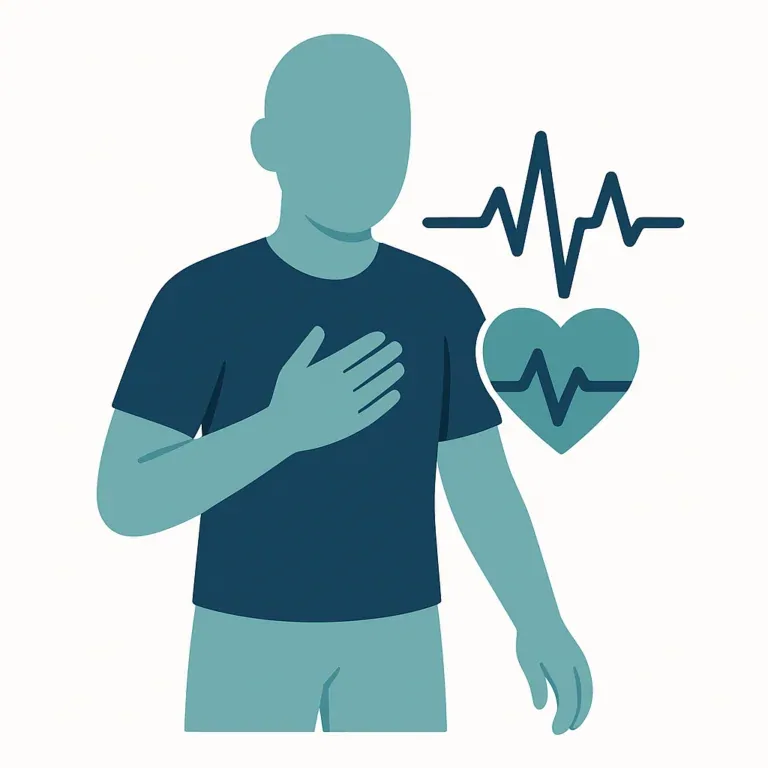
Tachycardia means a heart rate faster than normal, usually over 100 beats per minute at rest. Learn the warning signs, what first aid to give, and when to call for urgent help.
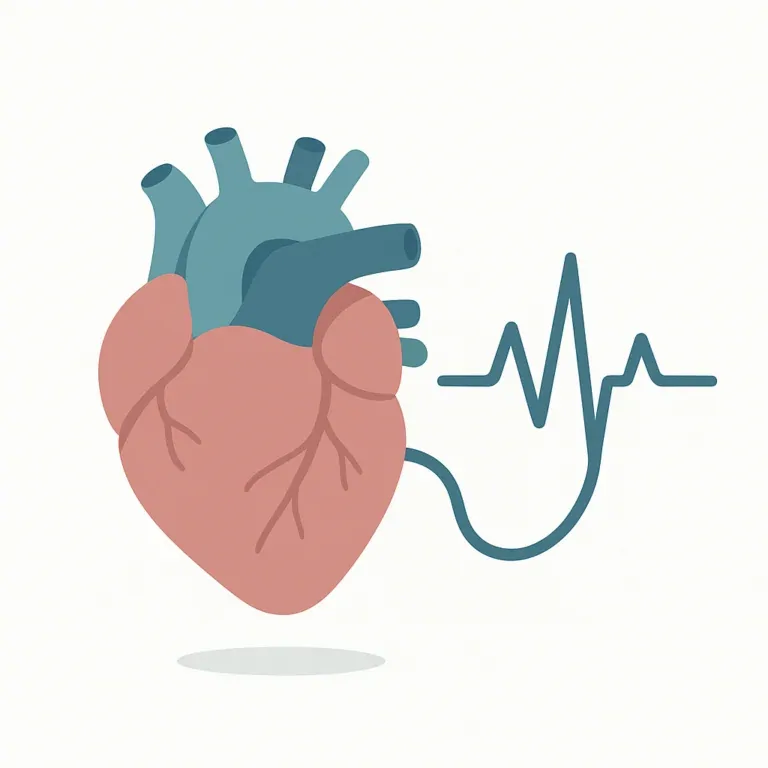
Heart rate means how many times the heart beats in one minute. Learn why heart rate matters in first aid, how it relates to pulse, and when abnormal rates need urgent help.
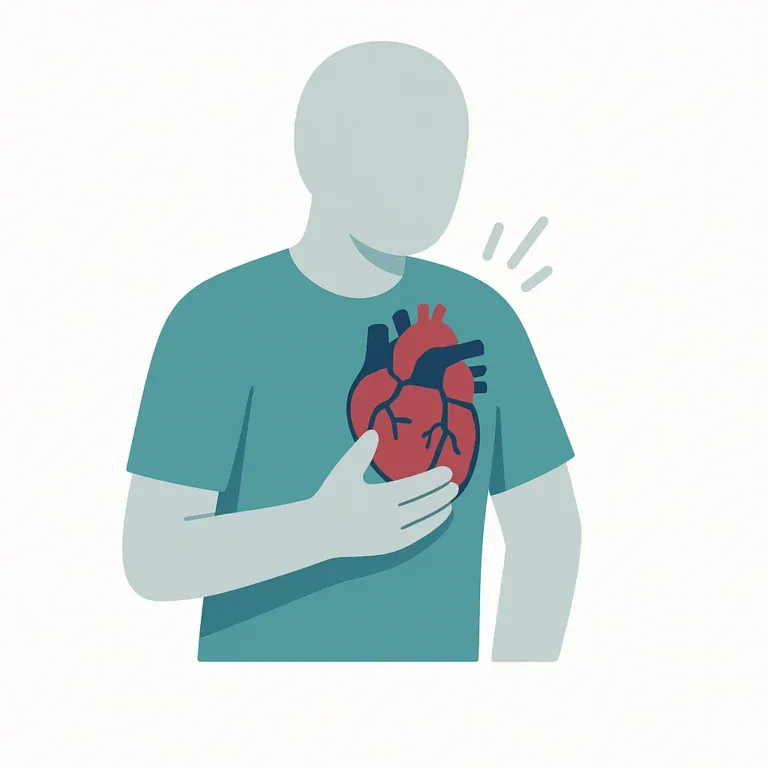
Heart failure means the heart is not pumping blood effectively enough. Learn the warning signs of worsening heart failure and the first aid steps to take in an emergency.

Circulation problems occur when blood flow is hindered, meaning your body’s cells might not get the oxygen and nutrients they need. Recognizing the warning signs of poor circulation can help you provide crucial first aid and support until medical help arrives.
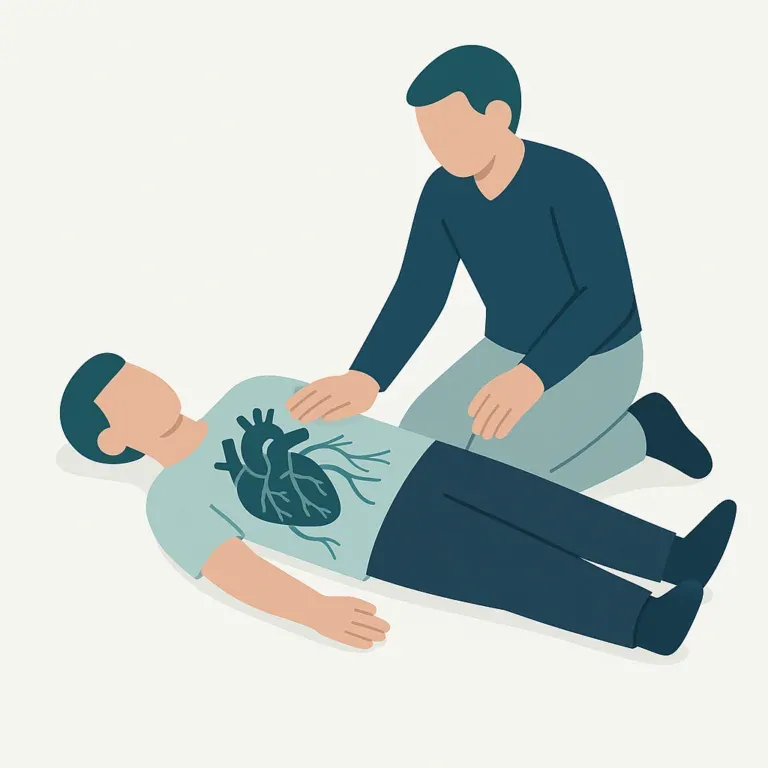
Circulatory collapse refers to dangerously weak blood flow. For the main first aid explanation, see our shock page.

Blood loss happens when blood flows out from a wound, and understanding it is key because your blood carries oxygen and nutrients that keep your body working. Learning how to stop bleeding quickly is vital in first aid to prevent serious complications and even save a life.

Exsanguination is a life-threatening condition where rapid and heavy bleeding can quickly drain the body of vital oxygen and nutrients. Understanding how to recognize and respond to exsanguination in first aid can make all the difference in saving a life.

Internal bleeding happens when blood leaks inside the body, hidden from view but potentially serious. Recognizing the signs early and getting quick help can make all the difference in keeping someone safe.