AVPU
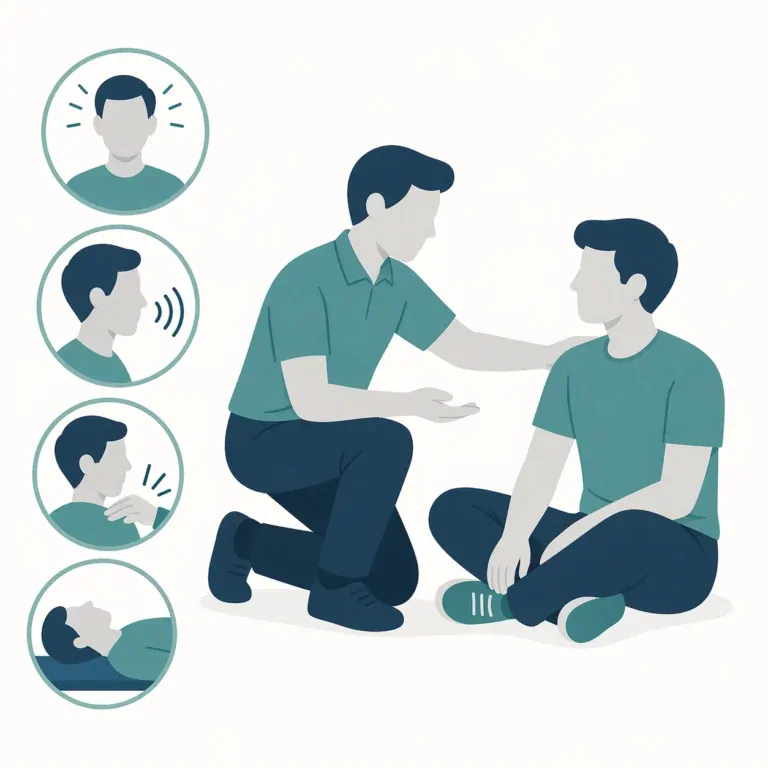
AVPU is a quick way to describe responsiveness: alert, voice, pain, or unresponsive. Learn how AVPU fits into first aid checks and what to do next.


AVPU is a quick way to describe responsiveness: alert, voice, pain, or unresponsive. Learn how AVPU fits into first aid checks and what to do next.

A secondary survey is the more detailed check you do after immediate life threats are managed. Learn what a secondary survey means and what it usually includes.
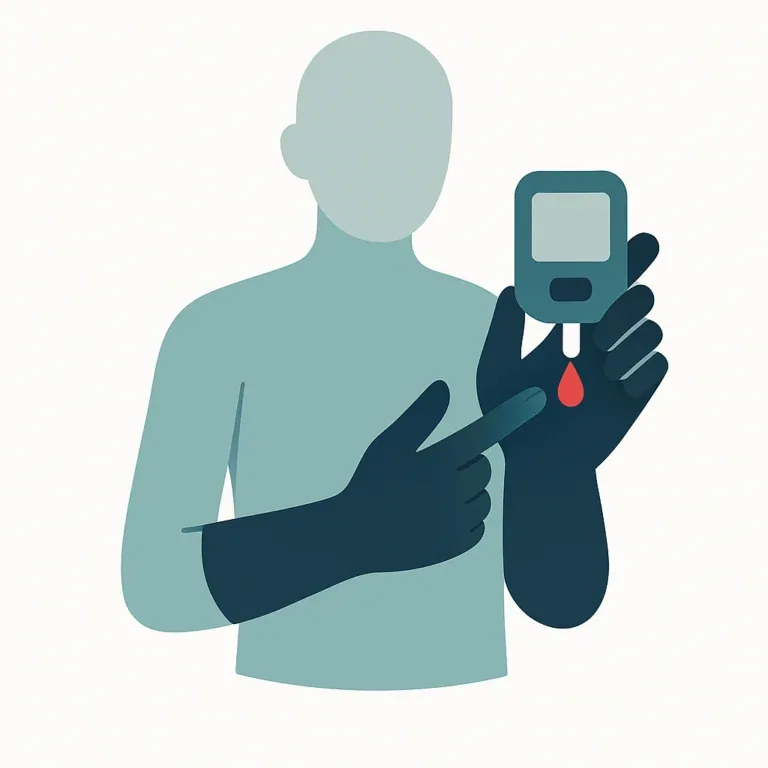
Diabetes affects how your body uses sugar for energy, and understanding this condition is key to staying calm and providing the right help during a diabetes emergency when blood sugar levels go too high or too low.

A primary survey is the first rapid check for life-threatening problems. Learn how it links to DRSABCD, airway checks, CPR, and recovery position.
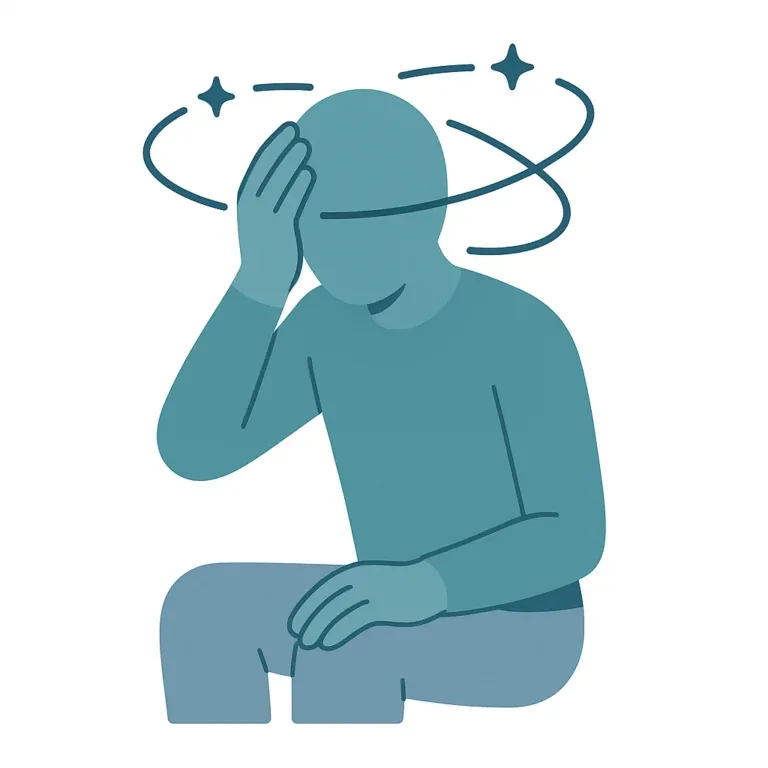
Dizziness can mean feeling faint, lightheaded, unsteady, or off balance. Learn what it means, what can cause it, and when to get urgent help.

Fainting is a brief loss of consciousness caused by a temporary drop in blood flow to the brain. Learn common triggers, warning signs, and what to do first.
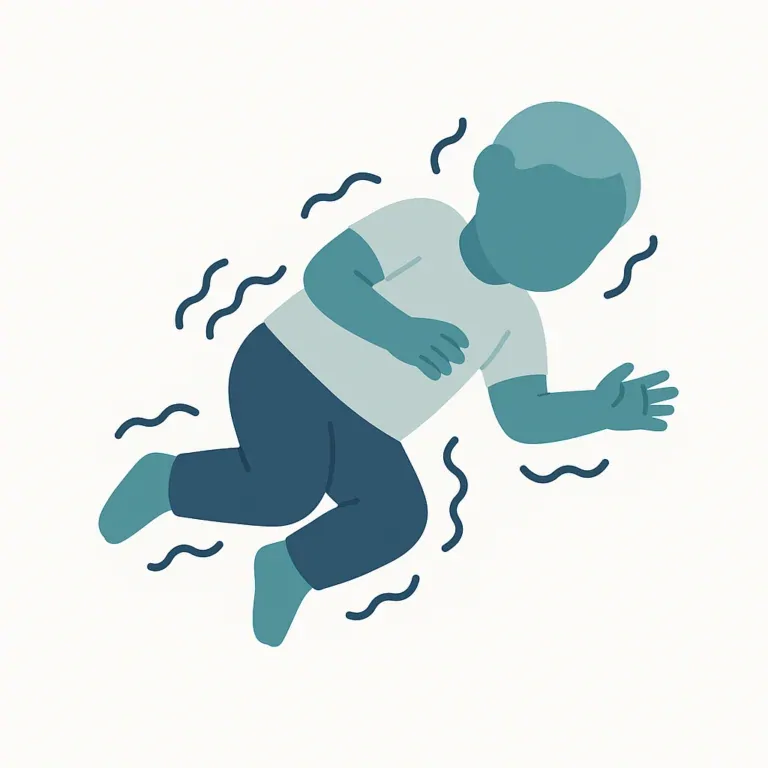
A febrile convulsion can be a frightening experience when a young child suddenly has a seizure triggered by a high fever, but understanding what it is and how to respond can help you stay calm and provide the right care.
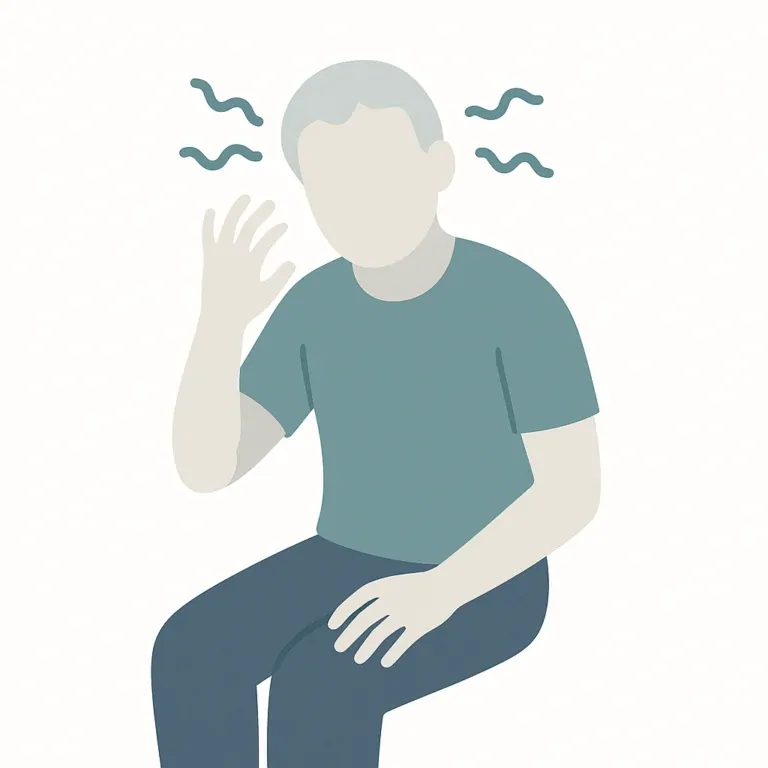
Complex partial seizures cause brief changes in awareness or behavior that can be confusing to witness, but knowing how to recognize and respond to them can help keep someone safe until the seizure passes. These seizures affect only part of the brain, often causing unusual movements or a blank stare without full loss of consciousness.
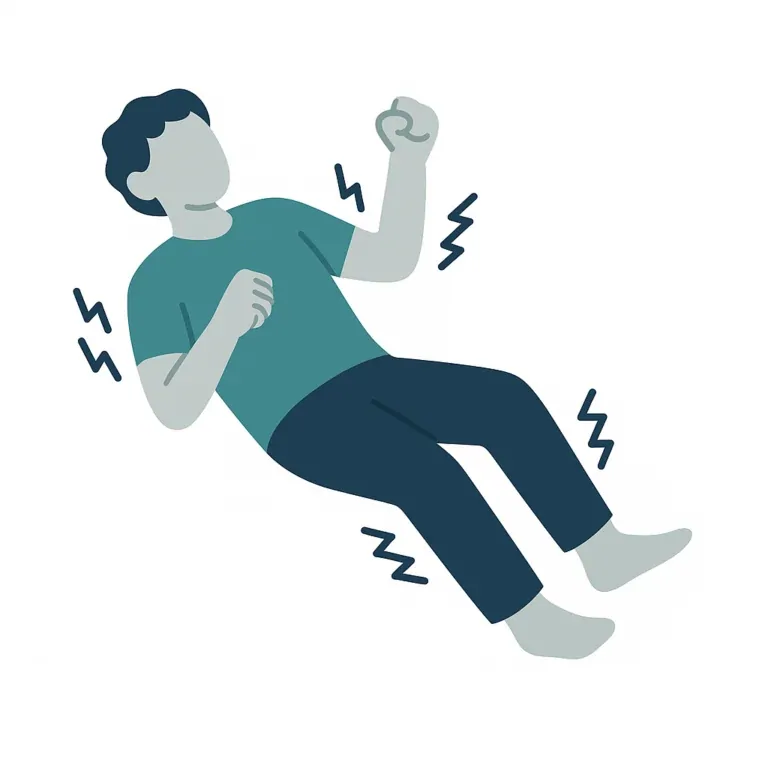
An epileptic seizure is a sudden burst of unusual electrical activity in the brain that can cause a person to lose control or behave strangely. Knowing what to expect and how to help during an epileptic seizure can make all the difference in keeping someone safe and calm.

Unequal pupils, where one pupil is a different size than the other, can be an important sign that something might be wrong with the brain or nervous system. Noticing unequal pupils quickly can help you respond to serious injuries or health issues that need medical attention right away.