
An epileptic seizure is a sudden, brief change in how the brain works. It happens because of unusual electrical activity in the brain. This can make a person act or move strangely, lose control of their body, or become unconscious for a short time. Seizures are common in people with epilepsy, but they can also happen for other reasons.
In first aid, knowing what to do during an epileptic seizure is very important. Helping someone safely during a seizure can prevent injury and keep them calm. Understanding seizures helps you stay safe and know when to get extra help.
What Happens During an Epileptic Seizure
The brain controls everything the body does, like thinking, moving, and feeling. When a seizure happens, the brain’s normal activity is interrupted by bursts of electrical signals. This can cause different signs, depending on which part of the brain is affected.
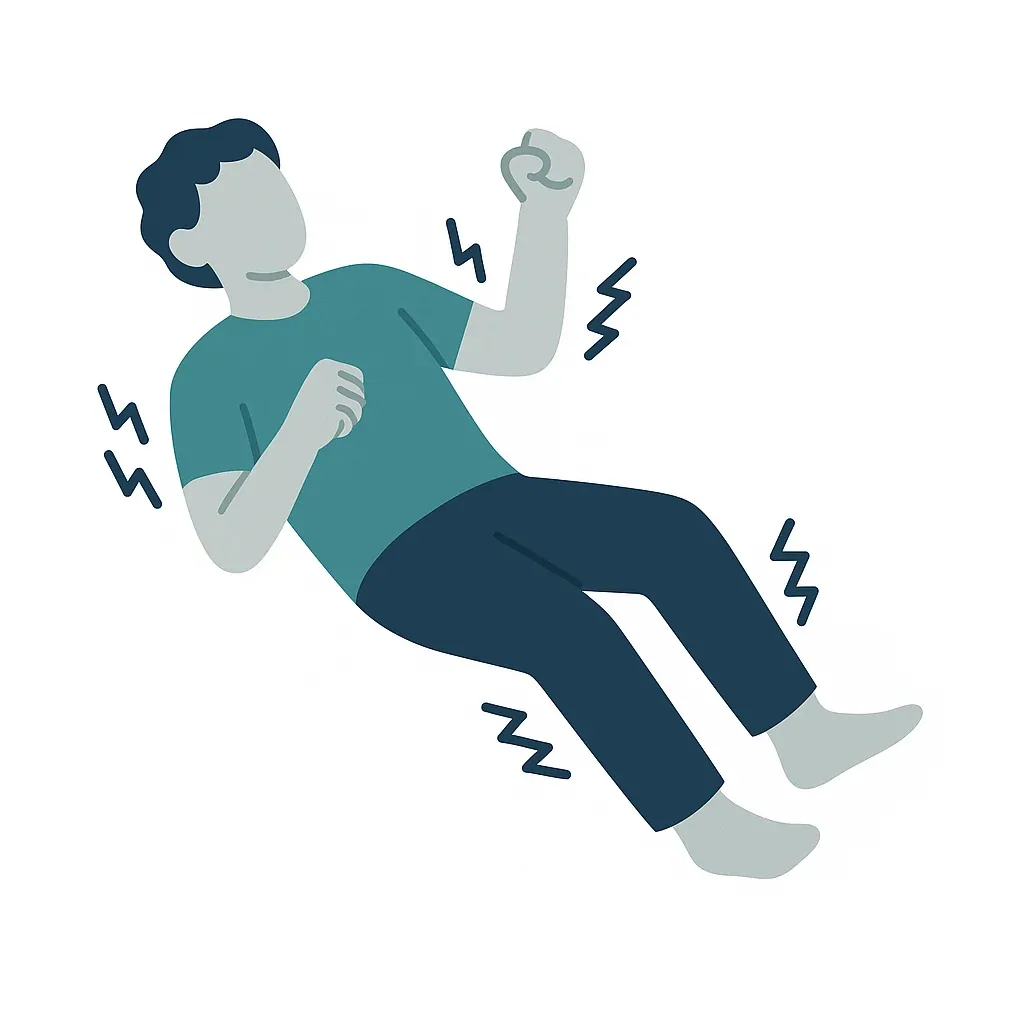
Some seizures make a person suddenly stop what they are doing and stare blankly. Others make their arms or legs shake uncontrollably. Some seizures cause a person to fall, lose awareness, and have muscle spasms.
During a seizure, a person cannot control their actions or respond to others. Seizures usually last from a few seconds up to a few minutes. After it stops, the person may be confused, tired, or sleepy for a while.
Signs You Might See
You might notice different things during an epileptic seizure. Some of the common signs include:
- Shaking or jerking movements of the arms and legs.
- Loss of awareness or not responding when you talk to them.
- Falling down suddenly.
- Staring or looking blank.
- Making unusual noises like grunting.
- Loss of control over bladder or bowel.
- Teeth clenching or biting their tongue.
- These signs can be scary to see, but most seizures are not life-threatening and will stop on their own.
How to Help Someone During a Seizure
If you see someone having a seizure, try to stay calm. Your calmness will help the person and others around you.
First, make sure the area around them is safe. Move things that could hurt them out of the way, like sharp objects or furniture.
Do not try to hold the person down or stop their movements. This could hurt both of you.
Do not put anything in their mouth. People cannot swallow their tongue during a seizure. Putting things in their mouth can block their airway or cause choking.
Try to gently turn the person onto their side. This position helps keep their airway clear and prevents breathing problems.
Stay with the person until the seizure stops. After the seizure, they may be confused or tired. Speak softly and calmly to reassure them.
When Should You Call Emergency Services?
Most seizures end on their own in a few minutes. But you should call emergency services by dialling 000 in Australia if:
- The seizure lasts longer than 5 minutes.
- Another seizure starts right after the first one without the person waking up.
- The person is injured during the seizure.
- They have trouble breathing or do not wake up after the seizure.
- The seizure happens in water.
- It is the person’s first seizure.
- The person has health problems like diabetes or pregnancy.
- Calling for help quickly in these situations can save a life.
Important Safety Tips
If you are with someone who has seizures, it is good to learn how to keep them safe. Here are some safety tips:
- Make sure they take their medicine as the doctor tells them.
- Encourage them to avoid things that may trigger seizures, like not getting enough sleep or drinking alcohol.
- Keep dangerous objects out of reach.
- Help them with activities that might be risky, like swimming or climbing heights.
- Let others know about their condition so they can help in an emergency.
Why Understanding Epileptic Seizures Matters
Knowing about epileptic seizures helps break down fear and confusion. When you understand what causes seizures and how to respond, you can help someone stay safe and calm.
Many people with epilepsy live full lives. Seizures do not always mean an emergency. But being ready to act if a seizure happens can make a big difference.
First aid for seizures is about keeping the person safe until the seizure stops or medical help arrives. It is about protecting their airway, stopping injuries, and offering comfort.
Remember, calling 000 in Australia is the right choice when a seizure is long, repeats, or causes harm.
Final Thoughts
An epileptic seizure can look worrying, but most seizures are short and stop on their own. By staying calm, protecting the person from harm, and knowing when to call for help, you make a big difference.
Understanding seizures helps remove fear and helps you respond with confidence. Always call emergency services if you think the situation is serious.
Helping someone through a seizure is a kind and important thing you can do. Your calm and careful actions can keep them safe and comfortable until the seizure ends.
Sources reviewed
Reviewed against current Australian neurological, first aid and emergency guidance by the First Aid Glossary Editorial Team. This article is general information and does not replace emergency-operator directions, professional medical advice or hands-on first aid training.