
Complex partial seizures are a type of seizure that affects the brain in a special way. A seizure happens when there is a sudden burst of electricity in the brain that changes how a person acts, feels, or moves. Complex partial seizures usually start in one small part of the brain and can cause changes in awareness or behaviour. This means the person may not be fully aware of what is happening around them during the seizure.
In first aid, understanding complex partial seizures helps you stay calm and keep the person safe until the seizure stops or help arrives. These seizures are important to know about because they look different from other seizures and may last longer. People having a complex partial seizure might seem confused, not respond to you, or do strange things without knowing it.
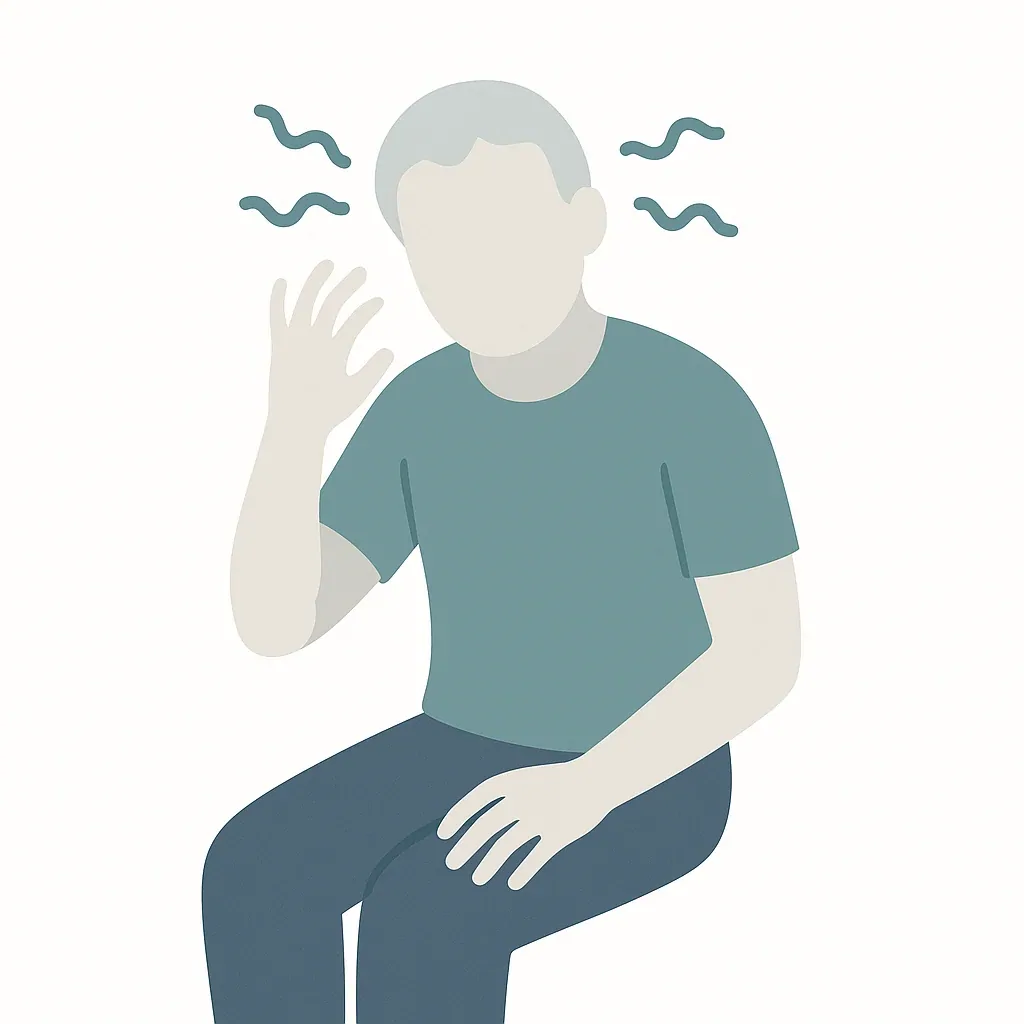
When someone has a complex partial seizure, you might notice unusual movements like lip smacking, hand rubbing, or picking at clothes. The person may stare blankly and seem lost for a few minutes. After the seizure, they often feel tired or confused for a while. It is important to know that the person cannot control these actions during the seizure.
Complex partial seizures relate to how the brain works. The brain controls everything our body does. Sometimes, a group of brain cells sends mixed signals that cause a seizure. In a complex partial seizure, only part of the brain is affected. This causes changes in behaviour or awareness without the person losing all movement or falling down. The seizure usually lasts a few minutes and then stops by itself.
Why it matters in first aid
If you see someone having a complex partial seizure, the most important first aid is to keep them safe. Move nearby objects away so the person does not hurt themselves. Do not try to hold them down or stop their movements. Do not put anything in their mouth. Stay calm and watch them carefully.
When to call 000
It is also helpful to note the time the seizure starts and how long it lasts. This information is important if you need to tell emergency services. Once the seizure ends, the person might not remember what happened or how they felt during it. They may want to rest quietly in a safe place.
Call emergency services by dialing 000 if the seizure lasts longer than five minutes, if the person has repeated seizures without waking up in between, if the person is injured, or if it is their first seizure. Emergency help is important for serious situations to make sure the person is safe and healthy.
If the person is unconscious or has trouble breathing during or after the seizure, call 000 immediately. While waiting for help, check their breathing and gently roll them onto their side if you can. This helps keep their airway clear and stops choking.
Remember, complex partial seizures can be scary to watch, but they usually end by themselves. Your job during first aid is to stay calm, keep the person safe, protect their head from injury, and call for help if needed. Do not force the person to do anything or try to make them wake up.
After a seizure, the person may feel tired, confused, or upset. They may need some time to recover before they feel better. Stay with them and offer comfort if they want it. Let them know you are there to help.
If you know the person has epilepsy, they or someone else might have given you instructions about what to do during a seizure. Follow those instructions if you can. If you are unsure, use the first aid tips described here.
In summary, complex partial seizures are a type of seizure that changes a person’s awareness and behaviour for a few minutes. They are caused by unusual brain activity in one part of the brain. First aid is about keeping the person safe, not stopping the seizure, and calling for emergency help if the seizure lasts too long or causes injury.
Summary
Knowing about complex partial seizures makes you better prepared to help someone calmly and carefully. If you see a seizure that worries you or you are not sure what is happening, calling 000 is the safest choice. Emergency services can provide the right support to keep the person well.
Always remember that your calm and safe actions help protect people during seizures. You do not need to be a medical expert to do first aid. Just keeping the person safe and calling for help when needed is the best thing you can do.
Sources reviewed
Reviewed against current Australian neurological, first aid and emergency guidance by the First Aid Glossary Editorial Team. This article is general information and does not replace emergency-operator directions, professional medical advice or hands-on first aid training.