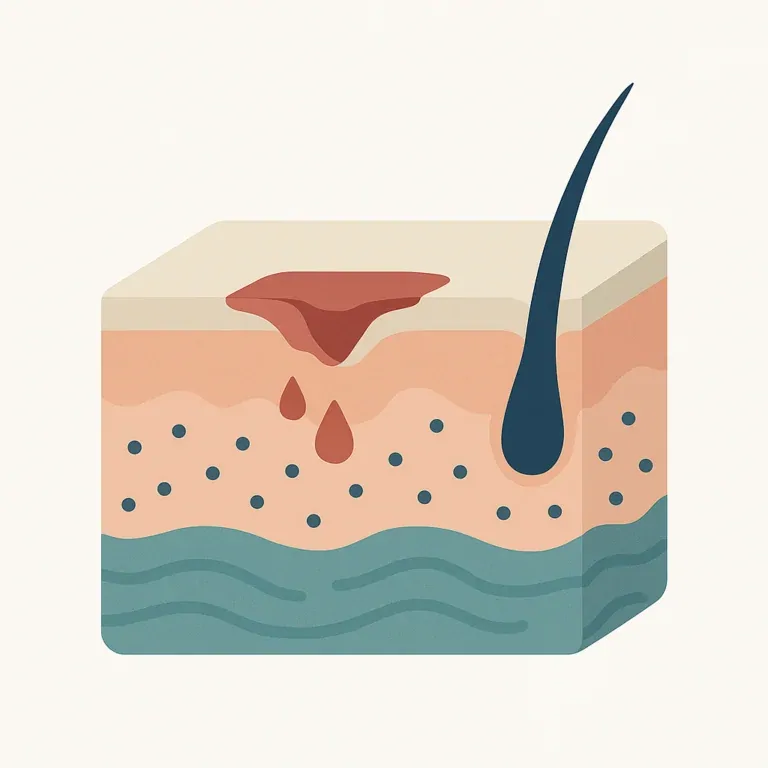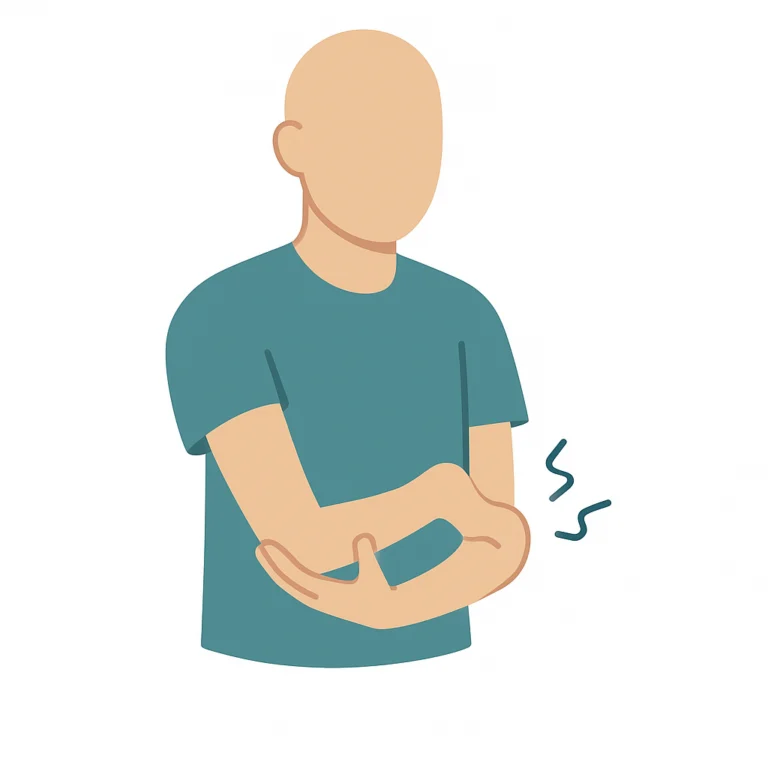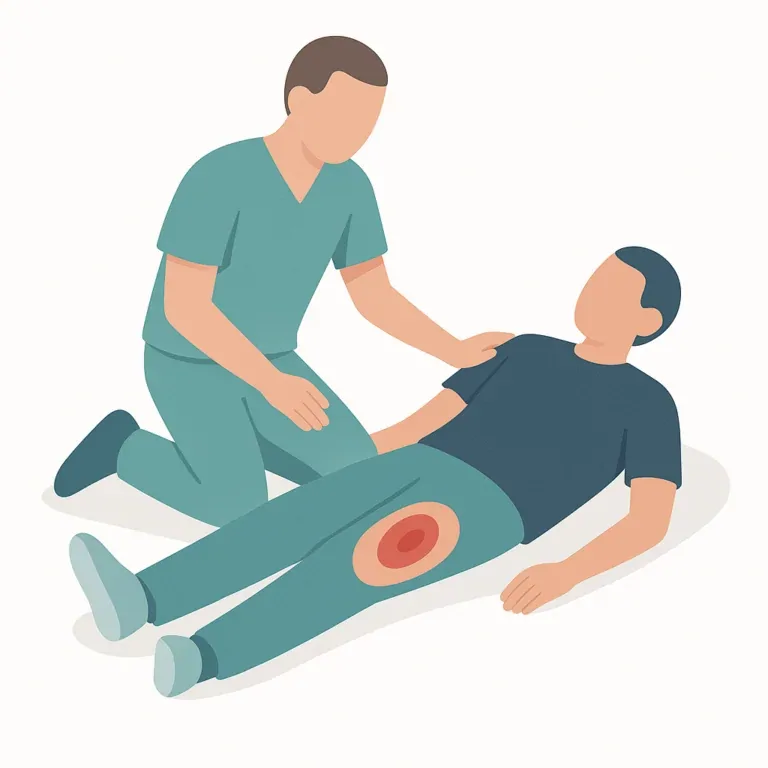
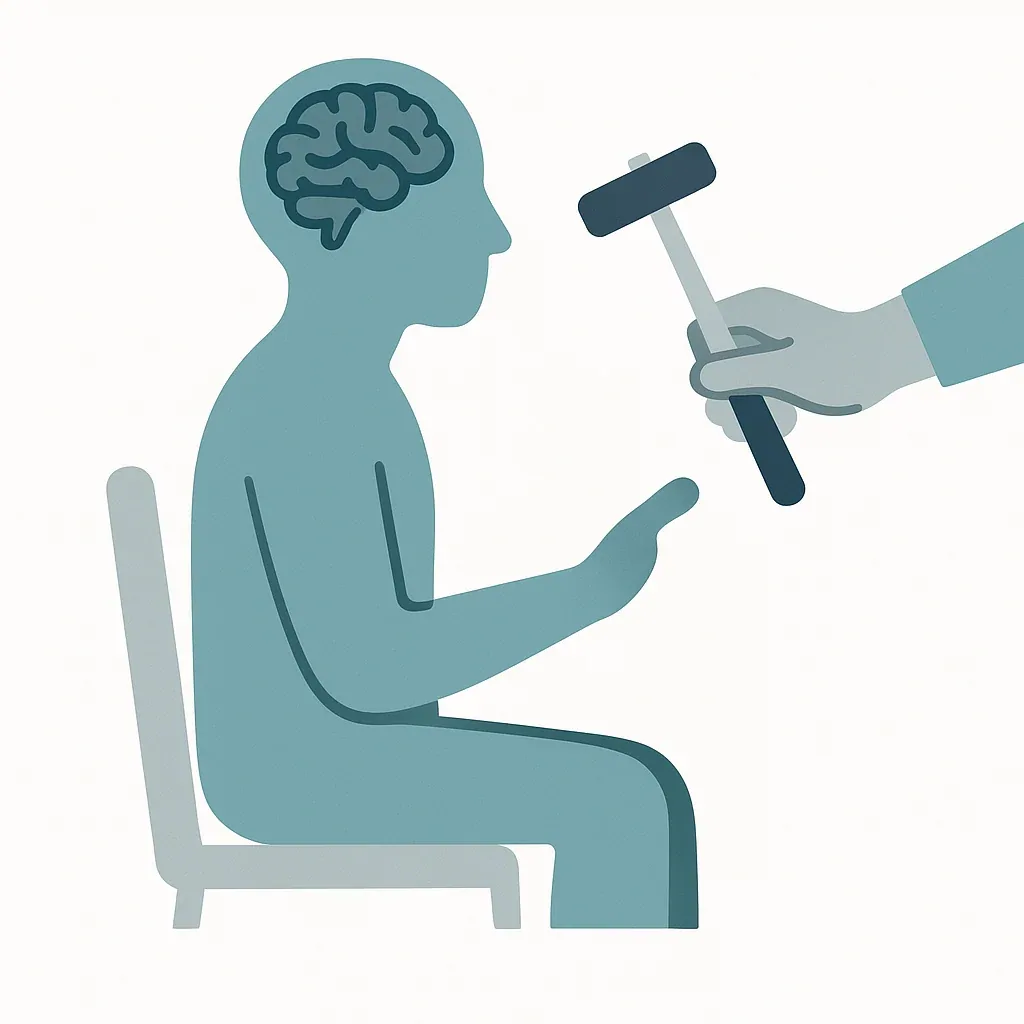

A neurological assessment is a check of how well a person’s brain and nervous system seem to be working. In first aid, it can help you notice important problems such as confusion, weakness, unusual speech, or a drop in responsiveness.
What does neurological assessment mean?
In plain English, it means checking whether the person is acting normally and whether their brain and nerves seem to be working properly.
This can include looking at:
- alertness and responsiveness
- speech
- movement
- strength
- coordination
- sensation
- changes that are getting worse over time
Why is it important in first aid?
Neurological problems can point to a serious emergency. For example, a person may have had a Head Injury, Stroke, seizure, collapse, or another serious illness affecting the brain.
Even a simple first aid check can help you notice that the person is not acting normally and may need urgent help.
What might you notice?
You might notice that the person:
- seems confused or unusually drowsy
- is hard to wake
- cannot answer simple questions clearly
- has slurred speech
- has weakness on one side
- has numbness or odd sensations
- has trouble walking or moving normally
- becomes less responsive over time
Severe one-sided loss of movement may be described as hemiplegia. That kind of change needs urgent medical attention.
Poor coordination or stumbling may be described as ataxia. That can be an important neurological warning sign.
Sudden double vision may be described as diplopia. That can be an important neurological warning sign.
If these changes appear suddenly or are getting worse, call 000.
How does AVPU fit in?
AVPU is a quick neurological check because it tells you how responsive the person is right now.
If the person is not fully alert, AVPU can give a fast summary:
- alert
- responds to voice
- responds to pain
- unresponsive
How does the Glasgow Coma Scale fit in?
The Glasgow Coma Scale is a more detailed way of scoring responsiveness. It is often used by ambulance crews and hospitals, especially after a head injury or when a person’s level of consciousness is changing.
In simple terms:
AVPUis the quicker first checkGlasgow Coma Scaleis the more detailed scale
What should a first aider do?
You do not need to perform a complex medical test. Focus on the practical signs:
- Check whether the person is awake and responding.
- Notice any confusion, slurred speech, weakness, or unusual behaviour.
- Check breathing and other immediate dangers first.
- Call
000if the person is getting worse, has had a serious injury, or may be having a stroke or another serious emergency. - Keep reassessing while you wait for help.
Why repeated checks matter
A neurological assessment is not always a one-off check. A person may look better or worse over time, which is why Reassessment matters.
If a person becomes more confused, more drowsy, or Unresponsive, the situation is becoming more serious.
Quick answer
A neurological assessment is a check of how well a person’s brain and nervous system seem to be working. In first aid, it helps you notice serious signs such as confusion, weakness, unusual speech, or a drop in responsiveness.
Sources reviewed
Reviewed against current Australian first aid, emergency and public-health guidance by the First Aid Glossary Editorial Team. This article is general information and does not replace emergency-operator directions, professional medical advice or hands-on first aid training.