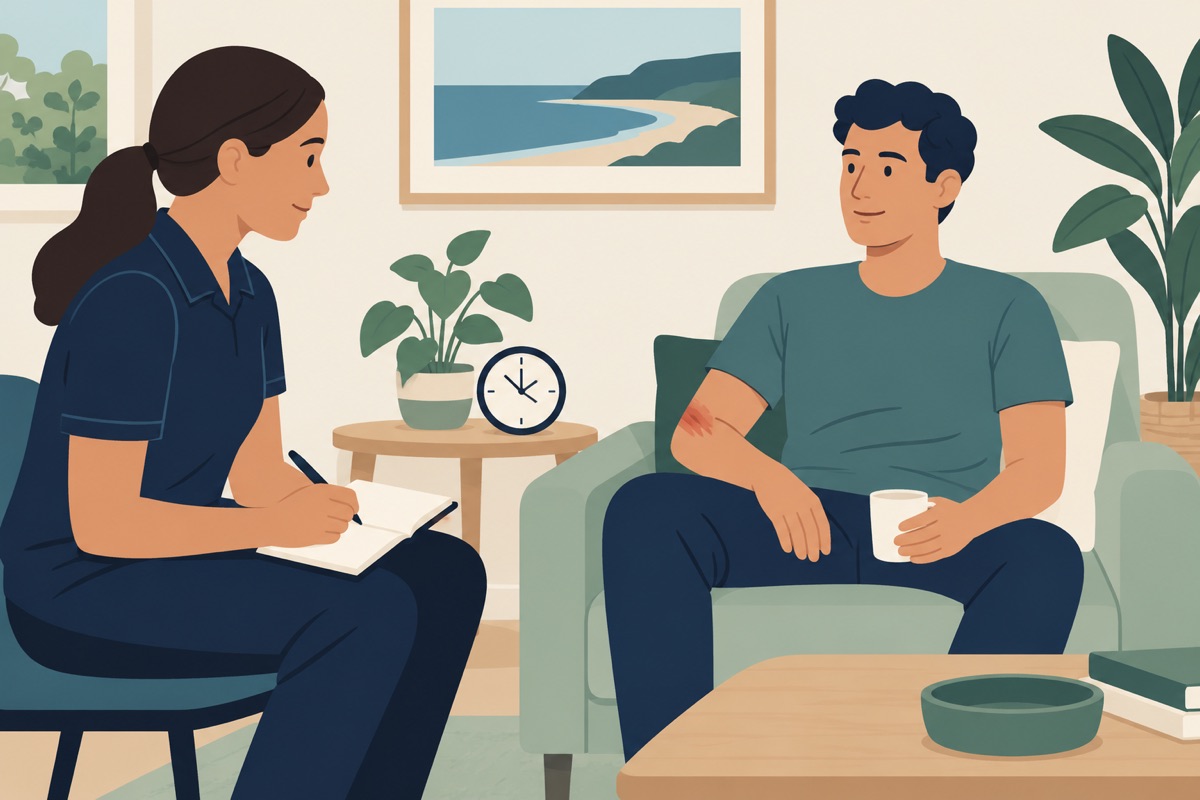
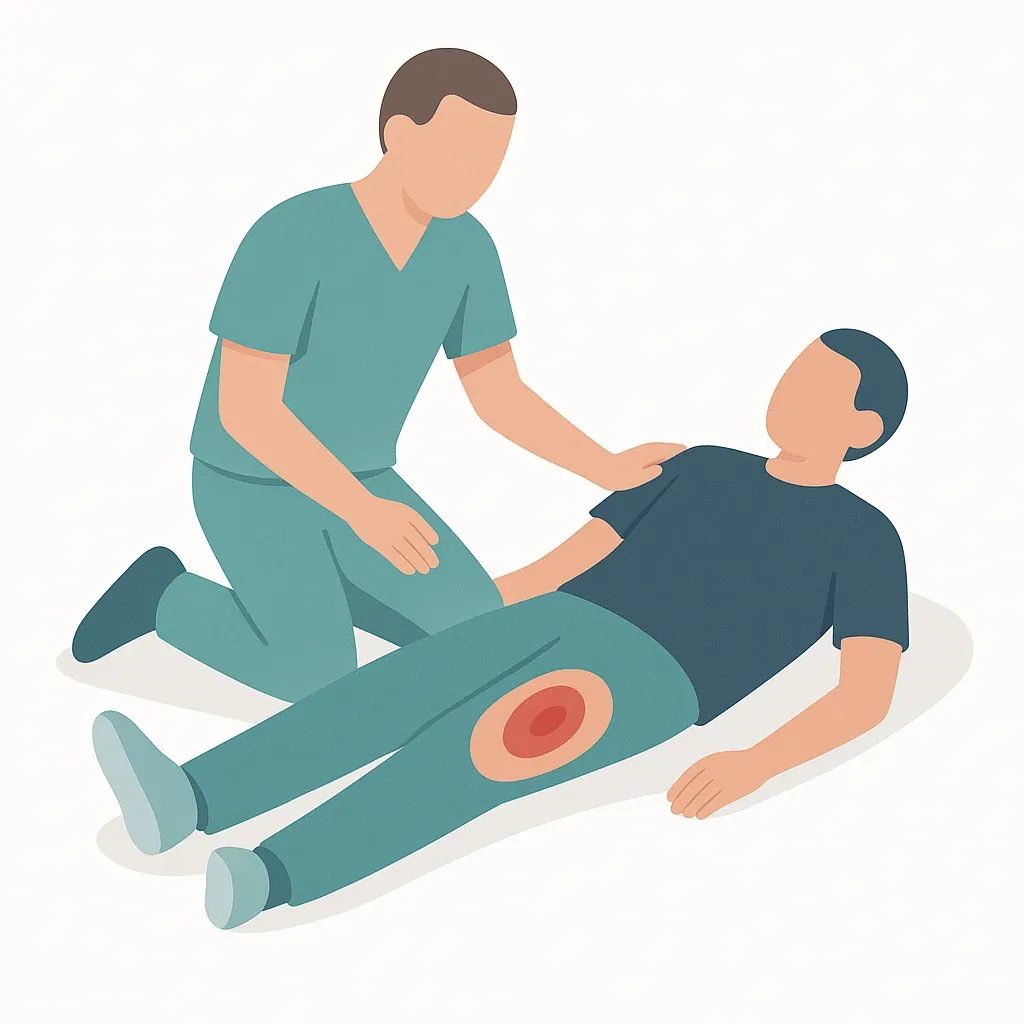

Trauma assessment is a way to check someone who has been hurt in an accident or emergency. It helps us find out how serious their injuries are. Knowing this helps decide what kind of first aid care they need. Trauma means a serious injury to the body. Assessment means checking or looking carefully. So, trauma assessment means carefully checking someone’s injuries.
When a person is hurt badly, their body may not work properly. They might have cuts, broken bones, or problems breathing. A trauma assessment looks at their whole body to find out what is wrong. This is important because some injuries need quick care to stop them from becoming worse or even life-threatening.
Trauma assessment is used in many emergencies. For example, in a car crash, a fall, or if someone is hit hard. It helps first aiders understand how badly the person is hurt and if the person needs emergency help like an ambulance.
Before starting a trauma assessment, it is important to keep yourself safe. Check the area for dangers like traffic, fire, or electricity. Do not put yourself at risk. If it is not safe, wait for trained helpers.
The first step in trauma assessment is to check if the person is awake and responsive. You can gently tap their shoulder or call their name. If they do not respond, try to make sure their airway (the path air takes to the lungs) is open and clear so they can breathe.
When to call 000
Look to see if the person is breathing normally. If they are not, you will need to get emergency services right away by calling 000. Breathing problems are very serious and need quick action.
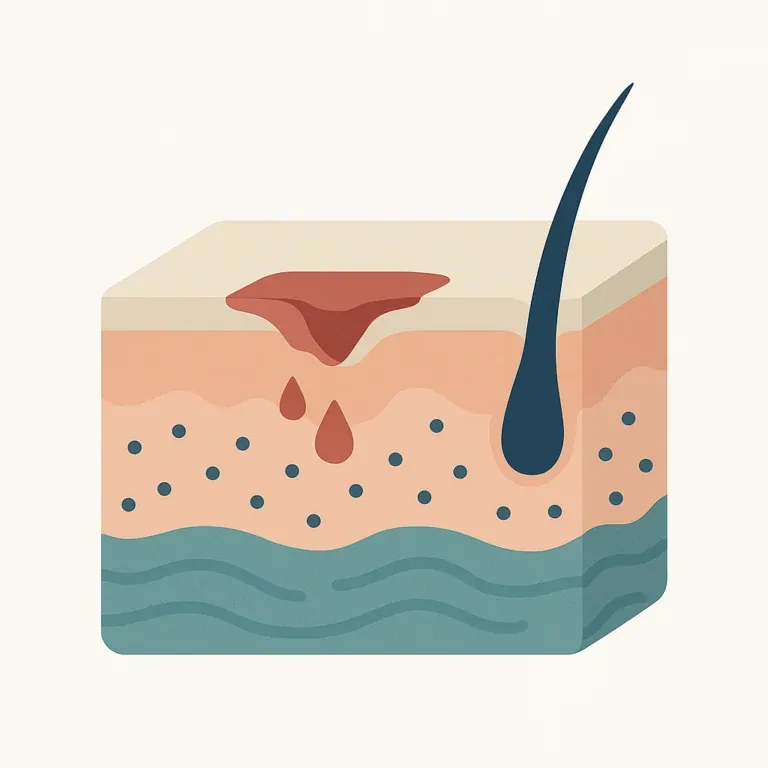
Next, check for severe bleeding. If the person is bleeding a lot, try to stop the bleeding. Use a clean cloth and press firmly on the wound. Heavy bleeding can cause a person to lose too much blood quickly.
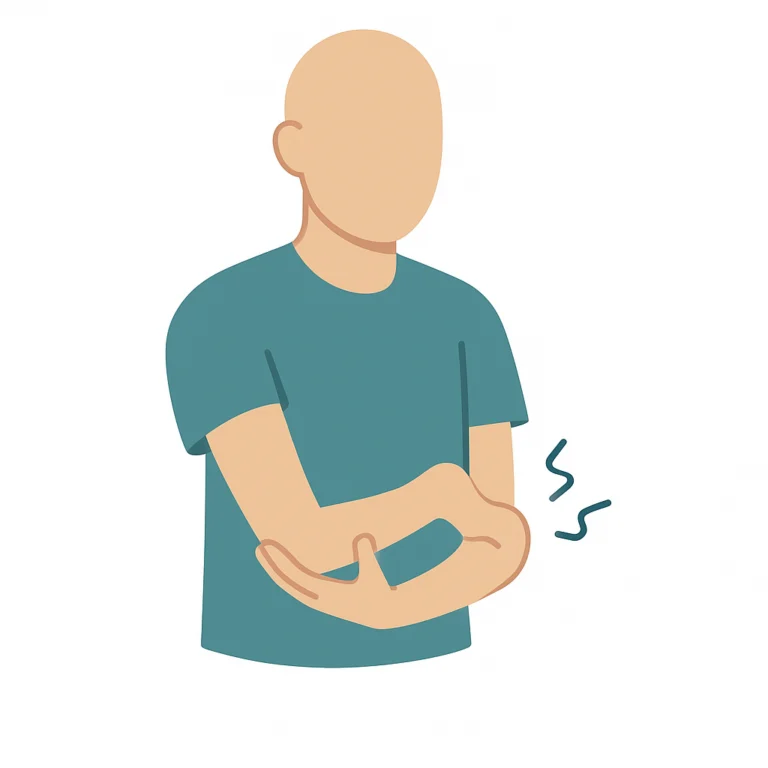
After that, look for signs of broken bones or other injuries. Signs might be swelling, bruising, or the person saying they have pain. Try to keep the injured parts still and do not move the person unless they are in danger.
A trauma assessment also includes checking the person’s level of consciousness. This means seeing how aware they are of what is around them. For example, can they answer questions? Do they know where they are? This helps show if their brain might be hurt.
It is important to stay calm and talk gently to the person. Let them know help is coming. Being calm can make a person feel safer and less scared.
In some cases, you might need to check other parts of the body from head to toe to find any injuries that are not easy to see. This can include checking the chest, tummy, back, arms, legs, and feet. Look for bruises, cuts, burns, or swelling.
During a trauma assessment, remember to respect the person’s privacy as much as you can. If you must touch their body, explain what you are doing.
Always remember to call emergency services on 000 if the person’s condition is serious. This includes if they are not breathing, bleeding heavily, have broken bones that stick out, or lose consciousness. Quick help from an ambulance is important in these situations.
If the person is awake and seems okay but hurt, keep them comfortable. Make sure they do not move a lot because this can make injuries worse. Keep them warm with a blanket or jacket.
Sometimes, a trauma assessment needs to be done again after a few minutes. This is because injuries or how the person feels can change quickly.
Even if a person looks okay after an injury, it is good to get medical help to check for damage inside the body. Some injuries are not easy to see and can be serious.
Why it matters in first aid
In summary, trauma assessment is the way to check someone who has been hurt to understand how serious their injuries are. It helps decide what first aid care is needed and when to call for emergency help.
Helping someone with a trauma assessment means being careful, calm, and safe. It also means watching the person closely and acting quickly if their condition gets worse.
Summary
If you are ever unsure, call 000 for advice and help. Emergency services can guide you over the phone until help arrives.
Remember, early and careful checking of injuries can save lives. Trauma assessment is an important skill for first aid that helps people get the right care as soon as possible.
Sources reviewed
- Healthdirect: first aid basics and DRSABCD
- ANZCOR Guideline 3: Recognition and first aid management of the unconscious person
- ANZCOR Guideline 5: Breathing
Reviewed against Australian first aid and emergency guidance by the First Aid Glossary Editorial Team. This article is general information and does not replace emergency-operator directions, professional medical advice or hands-on first aid training.