
A secondary survey is the more detailed check you do after immediate life threats have been dealt with first. In plain English, it means looking more carefully for other injuries, symptoms, or clues once the most urgent dangers have been checked.
What is a secondary survey?
A secondary survey is the follow-up assessment after the first urgent check.
The earlier check is the Primary Survey, where you look for the problems that could kill the person quickly, such as an airway problem, abnormal breathing, or severe bleeding.
The secondary survey comes after that.
Why is a secondary survey important?
Not every important injury or illness is obvious straight away.
After the first urgent actions, a secondary survey helps you:
- find injuries that were not obvious at first
- notice new or changing symptoms
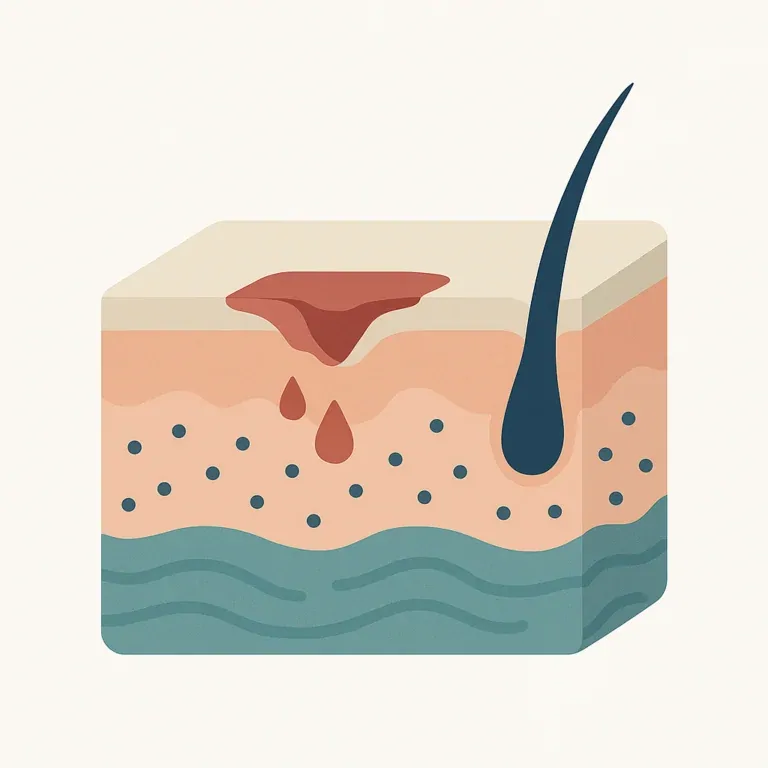
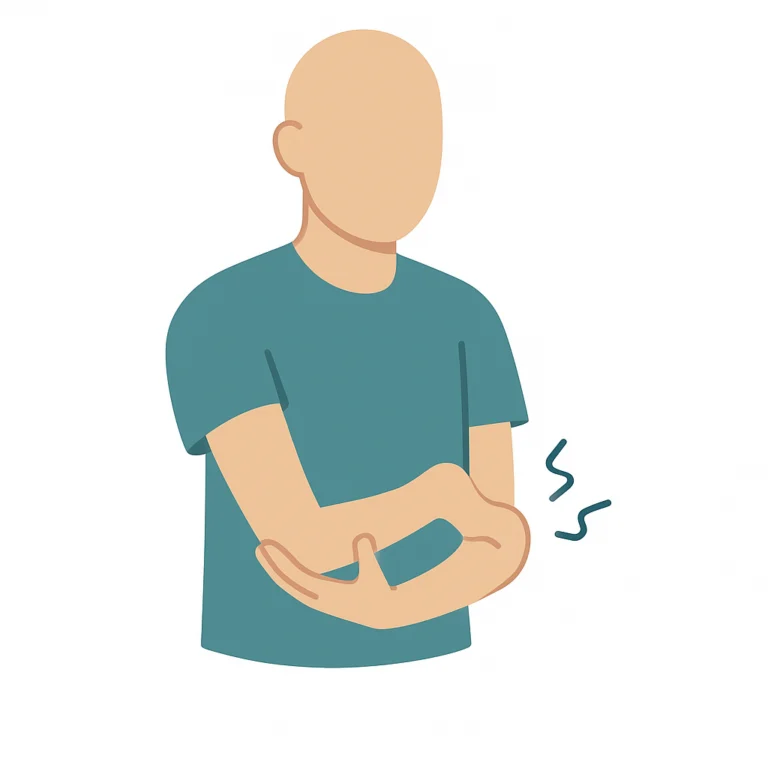
- look for pain, swelling, burns, bleeding, or deformity
- gather clearer information for paramedics or other medical help
It helps build a fuller picture once the biggest immediate threats have been checked.
What should happen before a secondary survey?
Before starting a secondary survey, the first priorities should already have been checked through pages such as:
- Primary Survey
- DRSABCD
- Airway Management
- CPR if the person is not breathing normally
If the person becomes less responsive or develops an urgent airway, breathing, or circulation problem, you go back to those first-priority checks again.
What does a secondary survey usually include?
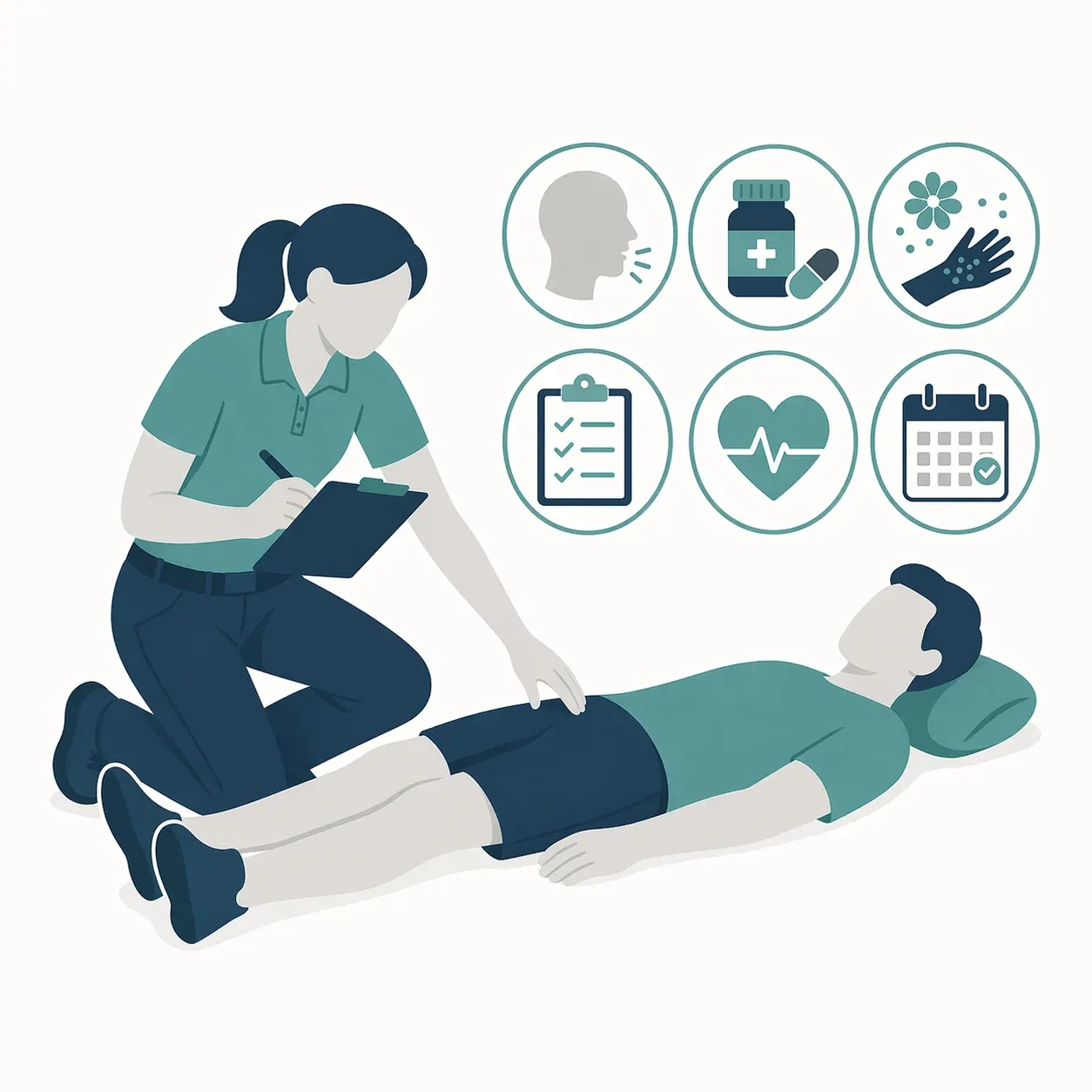
A secondary survey may include:
- asking what happened
- thinking about the Mechanism of Injury
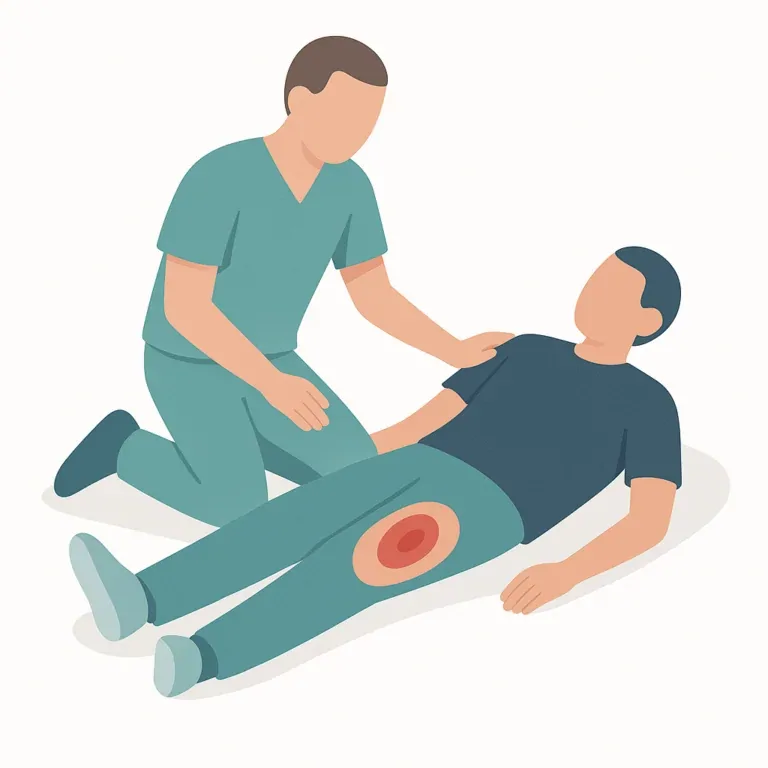
- looking from head to toe for injuries
- asking about medical conditions, allergies, and medicines
- using tools such as SAMPLE history questions
- repeating checks through Reassessment
It is slower and more detailed than the first survey.
When should you do a secondary survey?
Do it after the immediate life threats have been addressed as best as possible and the person is stable enough for a more careful check.
It can be useful after:
- falls
- sports injuries
- burns
- road crashes
- fainting episodes
- medical events where the person may have more than one problem
Quick answer
A secondary survey is the more detailed follow-up check you do after the first urgent assessment. It comes after the Primary Survey and helps you find other injuries, symptoms, and useful background information once immediate life threats have been managed.
Sources reviewed
- Healthdirect: first aid basics and DRSABCD
- ANZCOR Guideline 3: Recognition and first aid management of the unconscious person
- ANZCOR Guideline 5: Breathing
Reviewed against Australian first aid and emergency guidance by the First Aid Glossary Editorial Team. This article is general information and does not replace emergency-operator directions, professional medical advice or hands-on first aid training.