

- Knocked-out tooth definition
- Start with the person, not the tooth
- Confirm whether it is a permanent tooth
- How to handle a permanent tooth
- Replacing the tooth or keeping it moist
- Control bleeding and swelling
- Do not do these things
- Other injuries after a fall or sport impact
- Follow-up after urgent treatment
- Prevention
- Related glossary terms
- Sources reviewed
Knocked-out tooth definition
A knocked-out tooth, also called tooth avulsion, is a tooth that has come completely out of its socket after an injury. It is a dental emergency when the tooth is a permanent adult tooth. The first-aid goals are to protect the person’s airway, find the tooth, handle it only by the crown, keep the root moist and obtain urgent dental care as quickly as possible.
Time matters because living cells on the tooth root help a dentist replant and stabilise it. Healthdirect advises aiming to reach a dentist or hospital within 30 minutes when possible; the chance of saving the tooth may still exist for up to two hours. This is not a guarantee that every tooth can be saved, but prompt, careful action gives the dentist the best available chance.
The most important rule for children is different: do not put a knocked-out baby tooth back into the socket. Reinserting a baby tooth can damage the developing permanent tooth underneath. A child still needs prompt dental assessment, but the handling and storage steps for a permanent tooth do not apply in the same way.
Start with the person, not the tooth
Check whether the person is awake and breathing normally. Dental injuries can occur with head injury, concussion, a broken jaw or significant bleeding. Call Triple Zero (000) for an ambulance if there is trouble breathing, trouble talking or swallowing, severe swelling, lots of blood going down the throat, altered consciousness, a serious facial injury or uncontrolled bleeding.
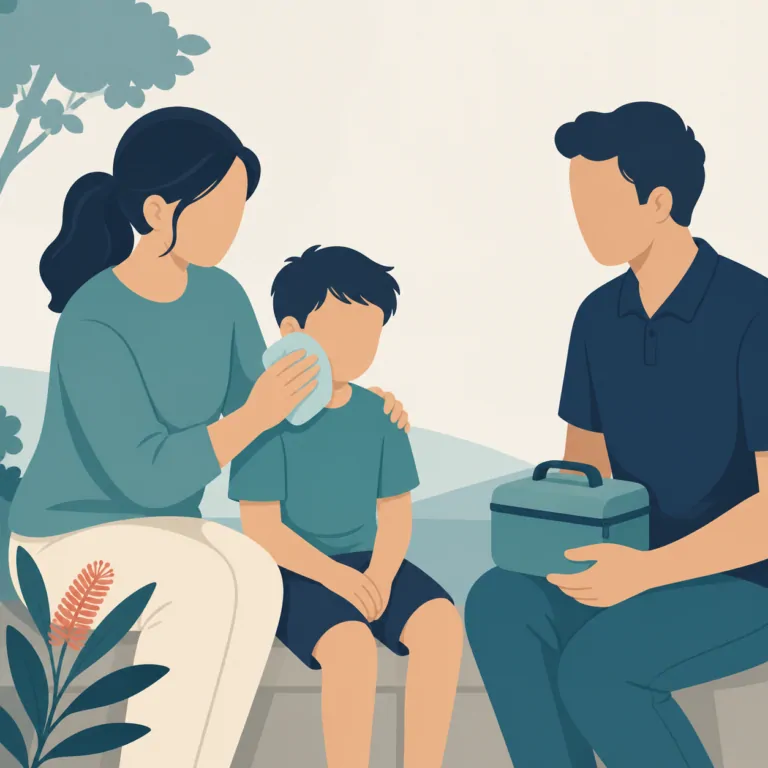
Sit the person upright and leaning slightly forward. This helps blood drain from the mouth rather than being swallowed. Apply gentle direct pressure with a clean dressing or cloth to any bleeding gum or lip. Use disposable gloves if available. If you are with a child, speak calmly and ask another adult to find the tooth and arrange dental help.
Do not make the injured person search around while dizzy, distressed or in traffic. Keep them safe and have a bystander look in the immediate area if practical. A tooth may be on the ground, in a helmet, clothing, mouthguard or nearby bag. If it cannot be found, still seek urgent care; it is unsafe to delay treatment looking for it.
Confirm whether it is a permanent tooth
If you are certain it is a baby tooth, do not try to reinsert it. Rinse the child’s mouth gently with clean water, use a cold compress wrapped in cloth on the cheek for swelling and contact a dentist promptly. A dentist will check the mouth and the developing teeth.
If the person is old enough to have permanent teeth—or you are not certain—treat the tooth carefully as a possible permanent tooth and contact an emergency dentist or hospital immediately for advice. Parents may not know which tooth it is in a child’s mixed-dentition years, so do not guess from appearance alone. Tell the dental service the person’s age and what happened.
An adult tooth may be displaced rather than fully knocked out. Do not force a loose or moved tooth into position. Avoid biting hard, use a cold compress on the cheek and obtain urgent dental care.
How to handle a permanent tooth
Pick the tooth up by the crown—the white chewing part normally visible in the mouth. Do not touch, scrub or scrape the root. The root carries delicate cells that are important to the tooth’s chance of healing after replanting.
If the tooth is visibly dirty, rinse it briefly and gently in milk, saliva or warm water. Do not soak it in tap water, scrub it with a toothbrush, wipe it with a tissue, wrap it dry or use soap, disinfectant or toothpaste. Do not remove any attached tissue from the root.
Never delay urgent care to make the tooth look clean. A gentle rinse is only for obvious dirt; the dentist can manage proper cleaning and treatment.
Replacing the tooth or keeping it moist
For a permanent tooth, Healthdirect says that if the person is alert and it is safe to do so, try to place it back into the socket and have them gently bite on a clean cloth to hold it there while travelling to urgent dental care. This is not suitable for a baby tooth, a person who is unconscious, very young, unable to cooperate, at risk of swallowing the tooth or someone with a serious mouth or jaw injury.
If the tooth cannot be safely reinserted, keep it moist in a small amount of milk or sterile saline. Saliva may be an option when advised, but do not store a tooth loose in the mouth of a child or anyone who might swallow or inhale it. Do not let the tooth dry out. Take it with you to the dentist or emergency department.
Call an emergency dentist immediately and explain that a permanent tooth has been avulsed. If you cannot reach a dentist quickly, go to a hospital emergency department. Tell them the time of injury, how the tooth was stored and whether it was placed back in the socket.
Control bleeding and swelling
The empty socket may bleed. Place a clean, folded dressing or cloth over the area and ask the person to bite gently if they can do so safely. Do not pack the socket with cotton wool, tissue, food or a home remedy. Avoid vigorous rinsing, spitting or repeatedly checking the wound, as this can disturb clotting.
Apply a cold compress wrapped in a cloth to the outside of the cheek for short periods. Do not place ice directly on skin and do not press on the tooth socket. A dentist or pharmacist can advise on suitable pain relief based on the person’s age, medical history and other medicines.
Avoid eating until the person has been assessed, particularly if the mouth is numb, bleeding or there may be a jaw injury. If they need a drink and can swallow safely, choose small sips of water unless a clinician has provided different instructions.
Do not do these things
Do not reinsert a baby tooth. Do not hold a permanent tooth by the root. Do not scrub, disinfect, dry, freeze or wrap it in tissue. Do not delay while looking online for a perfect container. Milk or sterile saline and urgent dental care are better than a prolonged search for specialty equipment.
Do not use household glue, putty or a mouthguard to force the tooth into place. Do not let the injured person bite down hard to “test” a loose tooth. Do not assume that a small amount of pain means the injury is minor; teeth, gums and supporting bone can be damaged without an obvious external cut.
Other injuries after a fall or sport impact
An avulsed tooth may be one sign of a larger injury. Seek urgent assessment for a suspected broken jaw, facial fracture, deep lip or tongue cut, ongoing vomiting, confusion, worsening headache, neck pain or loss of consciousness. A tooth injury after a cycling, scooter, horse-riding or vehicle incident needs a broader safety assessment.
If the tooth cannot be found, make sure it has not been inhaled or swallowed. Coughing, breathing difficulty, wheeze or choking requires immediate emergency help. Do not blindly sweep inside the mouth with fingers.
Follow-up after urgent treatment
Follow the dentist’s instructions exactly. A replanted tooth may need splinting, a special diet, careful oral hygiene, prescribed medicines and follow-up treatment such as root canal therapy. The initial emergency treatment is not the end of the process.
Keep follow-up appointments even if the tooth looks stable or pain improves. The dentist will check healing, gum health, bite and possible changes to the tooth over time. Take note of the incident for insurance, school, sport or workplace reporting if relevant.
Prevention
Wear a properly fitted mouthguard for contact and collision sports. A dentist can advise on custom-fitted mouthguards and care. Use helmets and other safety equipment for cycling, skating, riding and suitable activities, while recognising they do not replace a mouthguard when one is recommended.
At home and school, reduce trip and fall hazards and supervise young children around hard furniture and climbing equipment. At sport, coaches should know where the first-aid kit is, have a plan for urgent dental referral and encourage athletes to report facial impacts rather than playing on.
Related glossary terms
Sources reviewed
- Healthdirect: dental injury
- Healthdirect: mouth and tongue cuts
- Australian Dental Association: Teeth
- Healthdirect: first aid basics
Reviewed against Australian first aid and emergency guidance by the First Aid Glossary Editorial Team. This article is general information and does not replace emergency services, professional medical advice or hands-on first aid training.