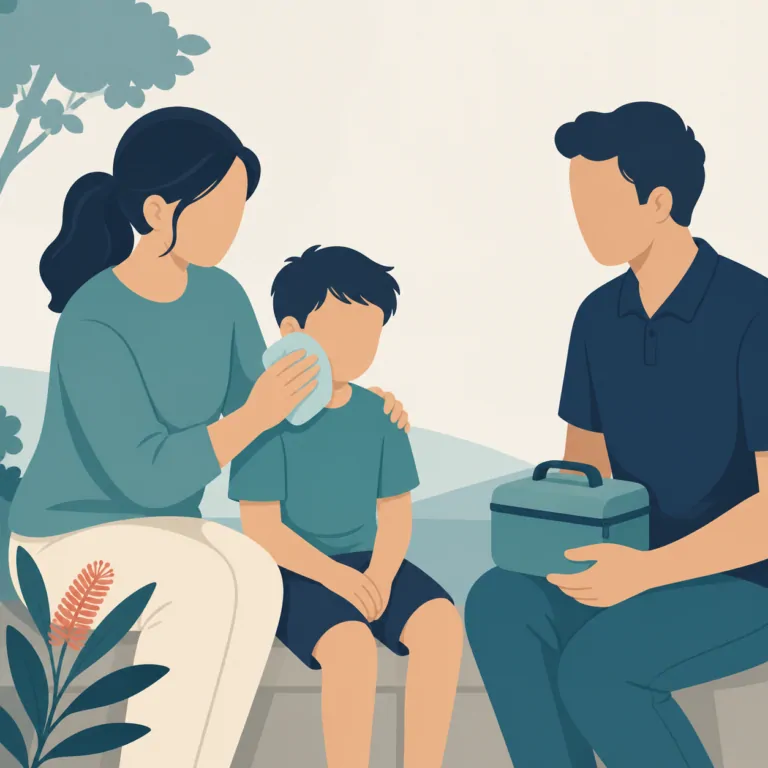


An injury to the head can range from a minor bump to a serious emergency affecting the brain. In first aid, the most important job is to look for warning signs, keep the person safe, and get urgent help when needed.
What does head injury mean?
A head injury means damage to the scalp, skull, face, or brain after a blow, fall, crash, or other impact.
Some head injuries are mild. Others can cause bleeding, swelling, or brain damage that becomes dangerous very quickly.
What signs might you notice?
Depending on the injury, you might notice:
- pain or swelling
- a cut or bleeding
- dizziness
- headache
- confusion
- vomiting
- memory problems
- unusual drowsiness
- loss of consciousness
- Unresponsive behaviour
Even if the outside of the head looks fine, the brain may still be affected.
When is a head injury an emergency?
Call 000 urgently if the person:
- loses consciousness
- becomes more confused or hard to wake
- has repeated vomiting
- has a seizure
- has trouble speaking, walking, or moving normally
- has unequal pupils or other worrying changes
- is not breathing normally
- seems to be getting worse instead of better
Serious head injuries can worsen over time because swelling or bleeding inside the skull can press on the brain.
What should you do in first aid?
- Make sure the scene is safe.
- Try to keep the person still and calm.
- Check responsiveness and breathing.
- Call
000if there are any red-flag signs or if you are worried the injury may be serious. - If the person is unresponsive but breathing normally, use the Recovery Position if appropriate and safe.
- If the person is unresponsive and not breathing normally, start CPR.
If you suspect a neck injury as well, avoid unnecessary movement.
Is a concussion a head injury?
Yes. Concussion is a type of head injury that affects the brain.
That means concussion sits inside the broader head-injury category, but not every head injury is a concussion.
How do assessment pages fit in?
After a serious hit to the head, changes in alertness and brain function matter. That is why pages like AVPU, Glasgow Coma Scale, and Neurological Assessment are relevant.
You are not expected to do a hospital-style assessment, but noticing whether the person is becoming less responsive or more confused can be very important.
Quick answer
A head injury means damage to the scalp, skull, or brain after a blow or jolt. Some injuries are mild, but others are emergencies, especially if the person becomes confused, drowsy, unresponsive, or stops breathing normally.
How this page is checked
Publisher: First Aid Glossary Editorial Team
Last reviewed: 28 April 2026
Reviewed against: Healthdirect Australia head injury guidance, Healthdirect Australia concussion guidance, and Triple Zero emergency-call guidance.
This page is educational and explains first aid language in plain English. It is not personal medical advice, diagnosis, or a replacement for accredited first aid training. In an emergency in Australia, call Triple Zero (000).