
Carbon monoxide poisoning is illness caused by breathing in carbon monoxide (CO), a gas made when fuel burns without enough oxygen. It has no smell or colour. A person can feel ill without seeing smoke, and a room can look ordinary while the air is dangerous. For a first aider, the immediate priorities are personal safety, getting people to fresh air when they can leave safely, and calling for help. Do not enter a suspected contaminated space to investigate or rescue someone.
Where can the gas come from?
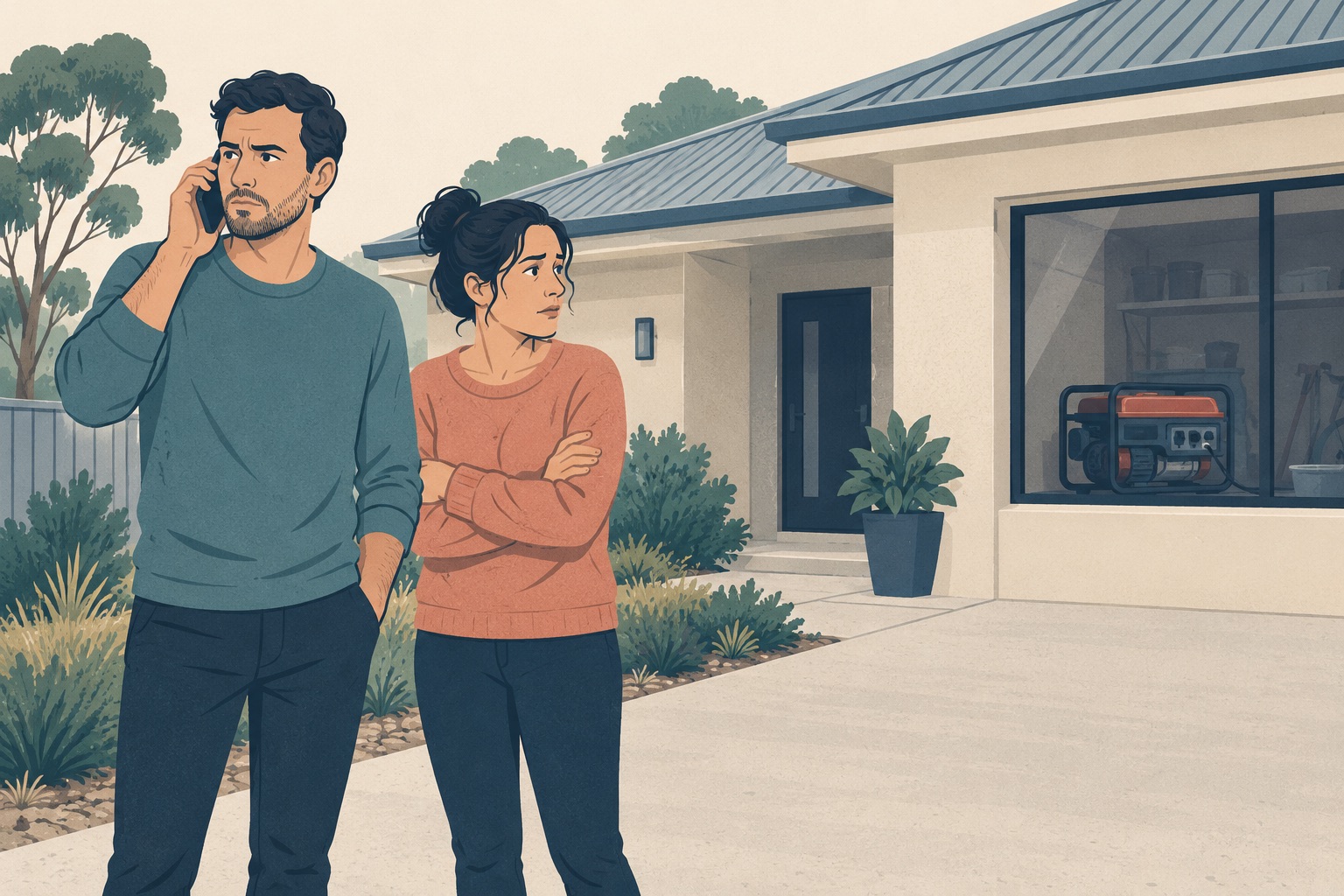
Faulty or poorly vented fuel-burning heaters, stoves, fireplaces, generators, barbecues and vehicle exhaust can all produce CO. A portable generator in a garage, a charcoal barbecue in a tent or a car running in a partly enclosed space can create a dangerous exposure. The exact source may not be obvious to the person who becomes unwell. Several people or pets feeling sick in the same place is a clue, especially if symptoms improve after leaving, but it does not prove a diagnosis.
Consider a family who wake with headaches after using a heater overnight. One person feels nauseated and another is unusually drowsy. The safe response is to leave the house and seek advice, not to go back inside and test the heater. An emergency crew or relevant gas authority can assess the scene with proper equipment.
What symptoms should raise concern?
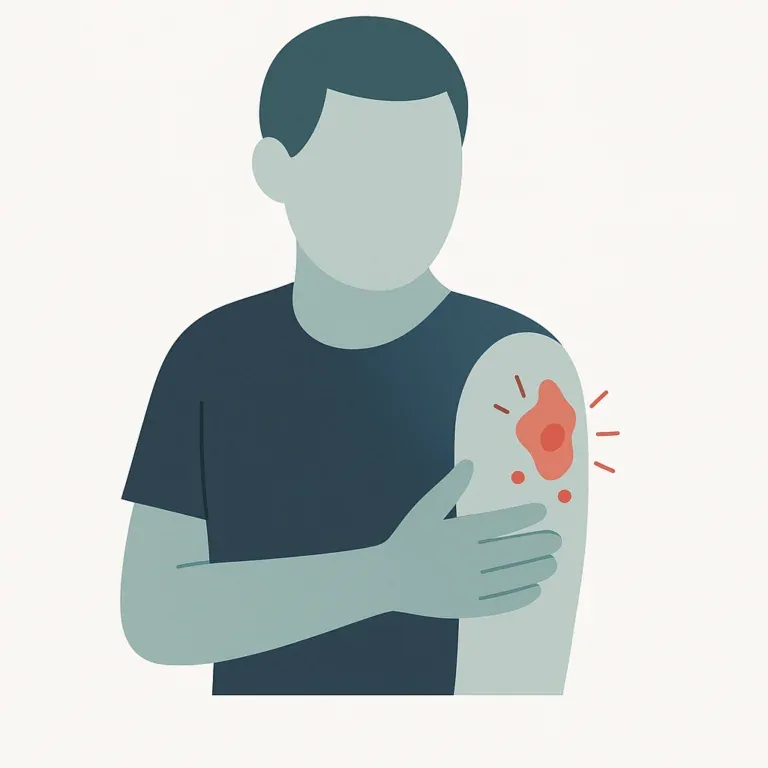
NSW Health lists headache, nausea, vomiting and weakness with smaller exposures. Dizziness, fainting and loss of consciousness can signal a serious emergency. The Australian clinical guidance also describes fatigue, shortness of breath, confusion and other neurological or heart-related effects. These symptoms overlap with many ordinary illnesses, which is why the setting and the fact that others are unwell matter.
Babies, pregnant people, older adults and people with heart conditions may become more unwell. Do not wait for a dramatic sign such as blue skin. The classic “cherry-red” appearance sometimes shown in illustrations is rare. A finger pulse oximeter may look reassuring but cannot reliably rule out CO poisoning; clinicians use the exposure history and appropriate tests. A normal-looking reading is no reason to stay in a suspected space.
What should a bystander do first?
- Leave the suspected area. If you and others can get out without moving through a dangerous part of the building, go into fresh air. Do not return for belongings, to switch off equipment or to search for someone. Do not send another unprotected person inside.
- Call for help from outside. If anyone is dizzy, fainting, unconscious, confused or having trouble breathing, call Triple Zero (000) for an ambulance immediately. Tell the operator that carbon monoxide exposure is possible and describe the location and any suspected appliance or vehicle. If the danger is ongoing, ask the operator which emergency services are needed.
- For milder symptoms, get advice promptly. NSW Health says that when someone has headache, nausea, vomiting or weakness, get everyone into fresh air and call the Poisons Information Centre on 13 11 26. If symptoms worsen or you are unsure about the person’s condition, use 000.
If a person is unresponsive and not breathing normally, CPR may be needed once they are in a safe place. Do not cross a contaminated area to reach them; rescuers need the right protection and equipment. Stay on the phone and follow the call-taker’s instructions. The scene is not safe simply because a door or window has been opened. Re-enter only when emergency authorities say it is safe.
Why is medical advice still important after fresh air?
Feeling better outdoors does not establish that the exposure was harmless. CO binds to haemoglobin and interferes with oxygen delivery to tissues. The seriousness of an exposure is not determined by a single symptom, a home oxygen reading or the number of minutes since leaving. A clinician may need to assess the person, particularly after marked symptoms or for someone at higher risk. Tell them when symptoms began, how long people may have been inside, what fuel-burning equipment was operating and whether others were affected.
This is also why a first aider should avoid confidently telling a family they had “just a stomach bug.” Make an accurate handover instead: “Three of us woke with headaches; one vomited; the gas heater was running; we left at about 7 am.” Plain facts help the Poisons Information Centre, ambulance crew and clinicians decide what to do next.
What prevents a repeat exposure?
Use fuel-burning equipment only in the locations for which it is designed. A generator, barbecue or camping stove belongs outside, away from windows and enclosed spaces. Have heaters and other appliances installed and serviced according to their instructions. Where recommended, fit and test a CO alarm, but treat an alarm as a warning to leave, not a device that makes entry safe. The same care applies in a shed, caravan, tent or garage as in a house.
Related terms include toxic exposure, inhalation injury and hypoxia. CO poisoning can occur alongside smoke exposure, but the first-aid rule remains simple: protect yourself, leave the suspected air, and get the right help.
Sources checked
- NSW Health: symptoms and getting help
- Australian Government: clinical guidance on carbon monoxide exposure
- ANZCOR Guideline 2: Managing an emergency
Sources checked 10 October 2026. General education, not individual medical advice. In an Australian emergency, call 000.