

- Sunburn definition
- Act promptly: get out of the sun
- Cool and protect the skin
- Blisters change the situation
- Hydration, heat illness and heatstroke
- When to see a doctor or seek urgent care
- Preventing the next sunburn
- Sunburn at sport, the beach and on the road
- Longer-term skin awareness
- Related glossary terms
- Sources reviewed
Sunburn definition
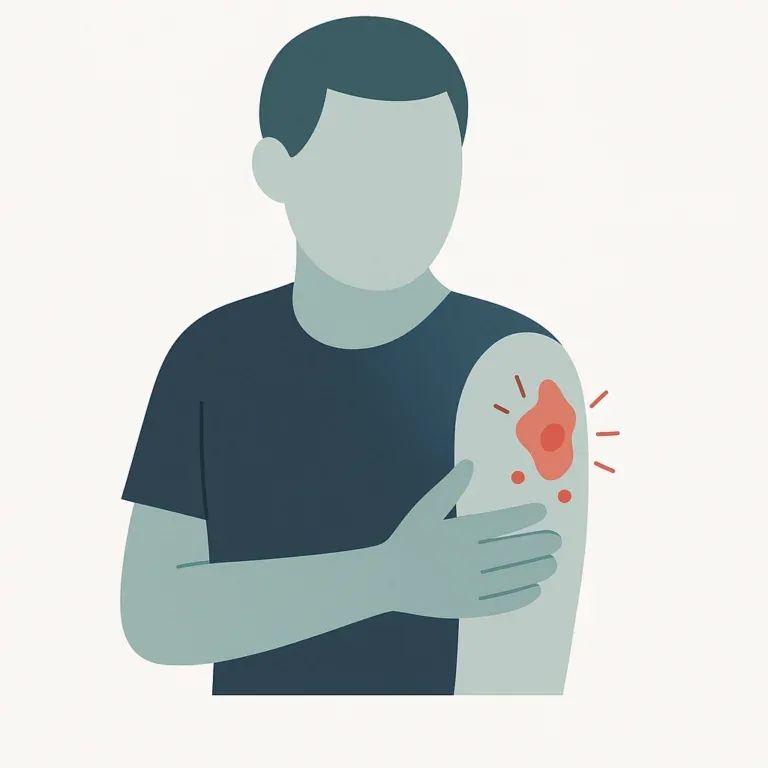
Sunburn is skin damage caused by too much ultraviolet (UV) radiation. It can cause redness, warmth, tenderness, swelling, itch, peeling and, in more severe cases, blisters and illness. First aid for sunburn means stopping further UV exposure immediately, cooling and protecting the skin, supporting hydration and recognising when the person needs medical help.
It is easy to confuse heat with UV. A cool, windy or cloudy day can still have damaging UV, and water, sand, snow and light surfaces can reflect it. In Australia, use the UV Index rather than temperature or cloud cover as the prompt for sun protection. Sunburn is not a harmless “base tan”; it is evidence that the skin has been injured.
Act promptly: get out of the sun
Move into shade or indoors as soon as you notice burning, redness or unusual tenderness. Cover up with loose clothing that does not rub. Do not remain outside because the skin is already burnt; more UV adds to the damage and makes recovery harder.
Take off hot or tight clothing and remove jewellery near a swelling area if it can be done without pulling on damaged skin. Choose a cool room, drink water if the person can safely swallow, and allow them to rest. A cool shower or a cool, damp cloth can soothe mild sunburn. Avoid ice directly on skin: extreme cold can add another injury to already damaged tissue.
For an ordinary mild sunburn without broken skin, a plain moisturising lotion or cream may feel soothing. Healthdirect notes that aloe vera can be soothing for some people, though it does not undo UV damage and may irritate some skin. Check ingredients and stop using any product that stings, causes rash or worsens discomfort.
Cool and protect the skin
Use cool—not freezing—water. Short cool showers, a bath or a damp cloth can reduce discomfort. Pat dry rather than rubbing. Loose, soft clothing helps prevent friction, and a light sheet can be more comfortable than heavy bedding.
Do not use butter, oil, toothpaste, harsh antiseptics, alcohol-containing products or strong perfumed cosmetics on sunburn. These do not repair UV damage and may trap heat, irritate the skin or make it difficult to tell whether the condition is getting worse. Do not scratch peeling skin or deliberately remove it.
For pain relief, talk to a pharmacist or doctor about what is suitable for the person. Medicine choice can depend on age, pregnancy, medical conditions, allergies and other medicines. Do not give adult medicines to a child or use someone else’s prescription medication.
Blisters change the situation
Blistering indicates a more significant skin injury. Do not pop sunburn blisters. The blister roof protects the tissue beneath and opening it can increase infection risk. Keep the area clean, protect it from rubbing and seek medical advice, particularly when blisters are large, widespread, very painful or on the face, hands, feet, genitals or major joints.
If a blister breaks, rinse gently with clean water, do not peel off attached skin and cover it with a clean, non-stick dressing. Change the dressing when wet, dirty or loose. Watch for increasing redness, heat, swelling, pus, fever or worsening pain, and seek medical care if these occur.
Sunburn in a baby or young child needs a low threshold for medical advice. Their skin is more sensitive, and dehydration can develop quickly. Keep children out of direct sun, offer fluids as appropriate and contact a health professional if there are blisters, fever, lethargy, vomiting, reduced urine output or concern about the extent of the burn.
Hydration, heat illness and heatstroke
Sunburn and heat exposure can occur together, but they are not the same. Encourage water and rest for a person with mild sunburn who is alert and able to drink. Monitor for headache, dizziness, nausea, cramps, extreme thirst, weakness, reduced urine output, confusion or collapse. These can indicate dehydration or a heat-related illness.
Heatstroke is a medical emergency. Call Triple Zero (000) for an ambulance if a person is confused, has a seizure, collapses, loses consciousness or has other signs of heatstroke. Move them to a cool place and begin active cooling while following the emergency operator’s instructions. Do not assume the symptoms are “just sunburn” because skin is red.
People at increased risk from heat include babies and young children, older adults, pregnant people, people with chronic medical conditions, outdoor workers, athletes and anyone unable to access shade or fluids. Plan breaks and check on others rather than waiting for someone to ask for help.
When to see a doctor or seek urgent care
Seek medical advice for severe pain, a large area of blistering, signs of infection, dehydration, fever, vomiting, dizziness, or sunburn that is not improving. A clinician can assess the extent of the injury and advise on dressings, pain relief and follow-up.
Get urgent medical care for a very large burn, a person who is faint, confused or unable to keep fluids down, or an injury involving significant blisters on sensitive areas. Call Triple Zero (000) when there are signs of heatstroke, collapse, seizures, serious breathing difficulty or a life-threatening emergency.
If you are unsure what level of care is appropriate in Australia, Healthdirect’s nurse advice line is available on 1800 022 222. In a clear emergency, call 000 rather than waiting on a non-emergency service.
Preventing the next sunburn
The best sunburn first aid is prevention. When the UV Index is 3 or above, use a combination of protective measures: slip on sun-protective clothing, slop on broad-spectrum water-resistant SPF50 or SPF50+ sunscreen, slap on a broad-brimmed hat, seek shade and slide on close-fitting sunglasses. No single measure is enough on its own.
Apply sunscreen generously to exposed skin before going outside and reapply according to the product directions, especially after swimming, sweating or towel drying. Sunscreen should not be used to extend time in intense sun. Check the expiry date and avoid storing it in a hot car, where heat can affect the product.
Plan outdoor tasks around the highest UV period, not only the hottest hour. Outdoor workers, coaches, event organisers and parents can build shade, water breaks, protective clothing and schedule changes into the day. Small system changes are more reliable than asking people to remember sun safety at the last minute.
Sunburn at sport, the beach and on the road
At the beach, remember that swimming does not block UV; water and sand can increase exposure. Pack shade, long-sleeved cover-ups, hats, water and sunscreen before leaving. At sport, a coach or parent should include shade and drink breaks in the plan. On a road trip, windows do not make a person immune to UV exposure and stops can be useful opportunities to reapply protection and hydrate.
If someone has already burnt, let them opt out of the next outdoor activity. Keeping them in the shade is not overcautious; it protects injured skin. Do not pressure children or team members to keep playing because an event is important.
Longer-term skin awareness
Sunburn heals, but repeated UV damage matters. Check your skin regularly and see a doctor about a new, changing or unusual spot, a scaly patch that does not heal or any skin change that concerns you. This is not something first aid can diagnose; it is a reason for professional assessment.
Teach children that shade, clothing and sunscreen are routine equipment, not a punishment. A calm, practical family or workplace approach is more likely to become a lasting habit than scare messages after a burn has occurred.
Related glossary terms
Sources reviewed
- Healthdirect: sunburn and sun protection
- Cancer Council Australia: sun protection guidance
- Healthdirect: burns and scalds
- Healthdirect: first aid basics
Reviewed against Australian first aid and emergency guidance by the First Aid Glossary Editorial Team. This article is general information and does not replace emergency services, professional medical advice or hands-on first aid training.