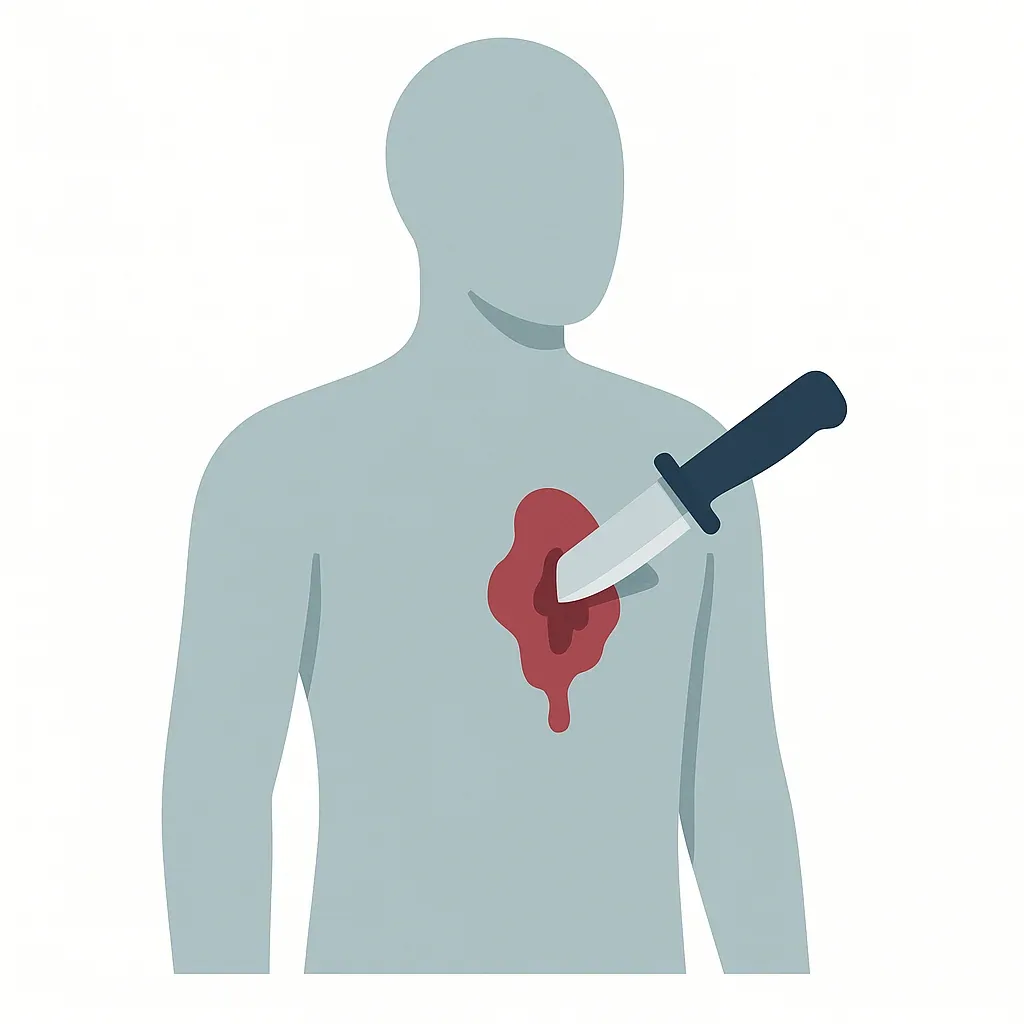

Penetrating trauma happens when something sharp or pointed goes through the skin and enters the body. This can be from things like knives, broken glass, bullets, or even sharp sticks. The object makes a hole or wound that can be deep and may damage important parts inside the body.
In first aid, understanding penetrating trauma is important because these wounds can cause serious problems. They might lead to heavy bleeding or damage to organs, muscles, or blood vessels. Knowing how to respond calmly and carefully can help keep the person safe until medical help arrives.
Penetrating trauma is different from a cut or scrape that only affects the skin on the outside. It goes deeper and might not look very big on the surface. Even small wounds can be dangerous if they reach inside the body.
When someone has penetrating trauma, you might see a hole, bleeding, or an object still stuck in the wound. The injured person might feel pain, feel weak, or have trouble breathing if the wound is near the chest. Sometimes, the injury might not look serious at first, but it can quickly become dangerous.
Safety and prevention
If you see a penetrating injury, the first step is to stay safe and make sure the area around you is safe too. Do not try to pull out any object stuck in the wound because this can cause more damage or heavy bleeding. Instead, try to keep the object from moving by gently supporting it with clean cloth or bandages if possible.
It is very important to control bleeding. You can do this by pressing gently around the wound with a clean cloth. Do not press directly on an object stuck inside the wound. If the wound is bleeding a lot, try to keep the person calm and lying down if possible. This helps to keep blood flowing to the brain and other organs.
When to call 000
If the injured person is having trouble breathing, or if the wound is on the chest or abdomen, this is very serious. Call emergency services immediately by dialing 000 in Australia. Help will come quickly to provide the care that is needed.
Always look for signs that the person is in shock. Shock can happen when the body loses a lot of blood or when the injury stops the heart or lungs from working properly. Signs of shock include pale or cold skin, sweating, weakness, confusion, or fainting. If you see these signs, keep the person lying down with their feet raised slightly, unless this causes pain or breathing problems.
While waiting for emergency help, do not give the injured person anything to eat or drink. Eating or drinking can cause problems if surgery is needed. Try to keep the person warm and comfortable.
Penetrating trauma can affect different parts of the body, so the dangers will change depending on where the wound is. For example, a wound to the head can cause brain injury, a wound in the chest might hurt the lungs or heart, and a wound in the stomach can damage the stomach, liver, or intestines.
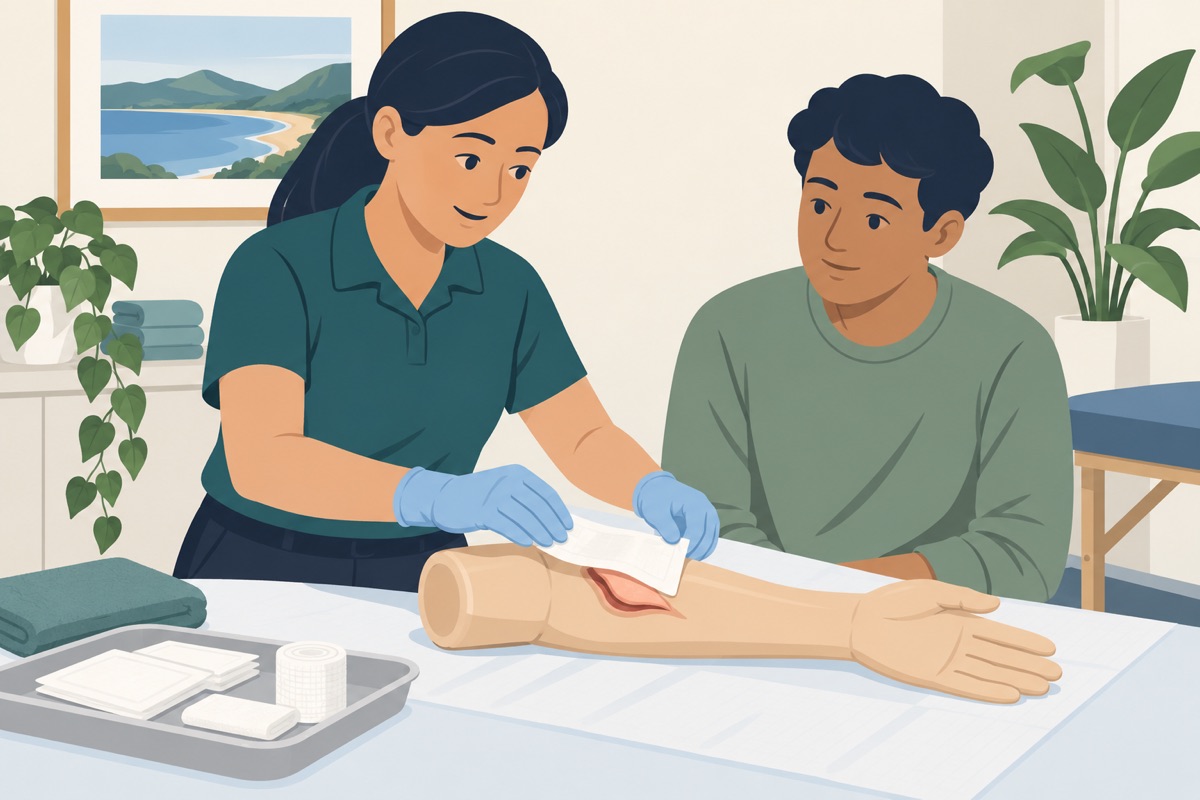
Remember, penetrating wounds can get infected because bacteria can enter through the hole. Keeping the wound covered with a clean dressing helps to protect it until a doctor can check it.
Why it matters in first aid
If you are giving first aid for penetrating trauma, your main goals are to keep the person safe, stop or control bleeding, keep them comfortable, and get emergency help as soon as possible. Do not move the person unless absolutely necessary, as moving them can cause more damage.
Summary
It is normal to feel worried when you see someone with a penetrating injury. Keep calm and talk to the injured person quietly to reassure them. Staying calm will help you give better first aid.
In summary, penetrating trauma is a type of injury where something sharp goes through the skin into the body. It can be very serious because it might hurt important parts inside. First aid focuses on stopping bleeding, keeping the person still and calm, and calling for emergency help right away. Knowing what to do can make a big difference in helping someone stay safe until professionals arrive.
Sources reviewed
- Healthdirect: wounds, cuts and grazes
- ANZCOR Guideline 9.1.1: first aid for management of bleeding
- Triple Zero: official emergency calling guidance
Reviewed against Australian first aid and emergency guidance by the First Aid Glossary Editorial Team. This article is general information and does not replace emergency-operator directions, professional medical advice or hands-on first aid training.