
- Splinter definition
- Pause and assess before trying to remove it
- Prepare a clean, calm workspace
- How to remove a visible superficial splinter
- Why digging is a bad idea
- Wounds, infection and tetanus
- Special situations
- When to call emergency services
- Prevention at home and work
- Related glossary terms
- Sources reviewed
Splinter definition
A splinter is a small fragment of material—often wood, glass, metal, thorn or plastic—that has entered the skin. A tiny, superficial splinter that is clearly visible and easy to grasp can often be managed with simple first aid. A splinter that is deep, broken, contaminated, near the eye, under a nail or associated with serious pain needs medical assessment instead of more probing at home.
The aim is not to win a contest with tweezers. It is to remove only what can be taken out cleanly and safely, then protect the small wound. Repeated digging can push material deeper, tear skin, create infection risk and turn a manageable problem into one that is harder for a clinician to treat.
Pause and assess before trying to remove it
First, identify the material if possible. Wood and plant thorns can leave small fragments behind; glass may be difficult to see; a large piece of metal can be part of a deeper injury. Look at the site in good light, but do not squeeze the area hard or attempt removal if the object is deeply embedded.
Stop and seek medical help when the splinter is in or near an eye, on the face, in a sensitive area, deep in a joint or palm, through a shoe, or under a fingernail where you cannot see the whole piece. Also seek help for a large fragment, a puncture wound, a bite, a wound contaminated with soil or dirty water, or a person with diabetes, poor circulation, reduced sensation or immune suppression.
If a fragment is sticking out but appears embedded deeply, do not pull it out. Stabilise the area, prevent further movement and arrange assessment. A clinician may need to examine the wound, clean it thoroughly or check tetanus protection.
Prepare a clean, calm workspace
For a clearly superficial splinter, wash your hands with soap and water. Clean the skin around the area. Use clean tweezers and, if available, wipe the tweezers according to their instructions or clean them before use. Good lighting matters: a lamp or daylight can prevent a rushed, inaccurate attempt.
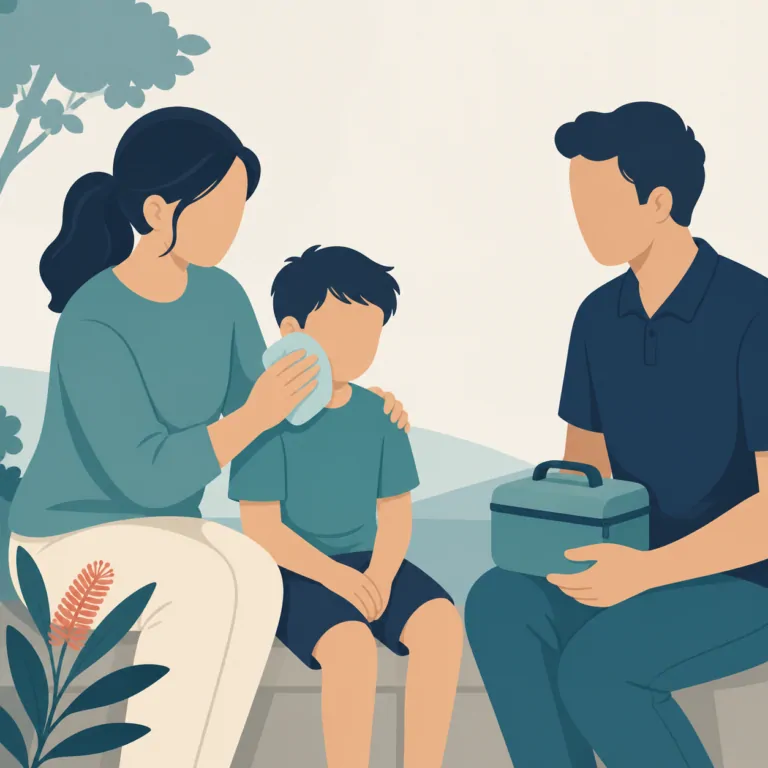
Ask the person to sit still and support the hand, foot or limb on a stable surface. For a child, explain what will happen and stop if they cannot keep still. It is safer to arrange professional help than to restrain a frightened child while trying to use a sharp tool.
Avoid using needles, pins, blades, knives or unsterile household tools to dig beneath the skin. These can enlarge the wound and introduce germs. If you cannot clearly see and grasp the exposed end with clean tweezers, the home-treatment boundary has been reached.
How to remove a visible superficial splinter
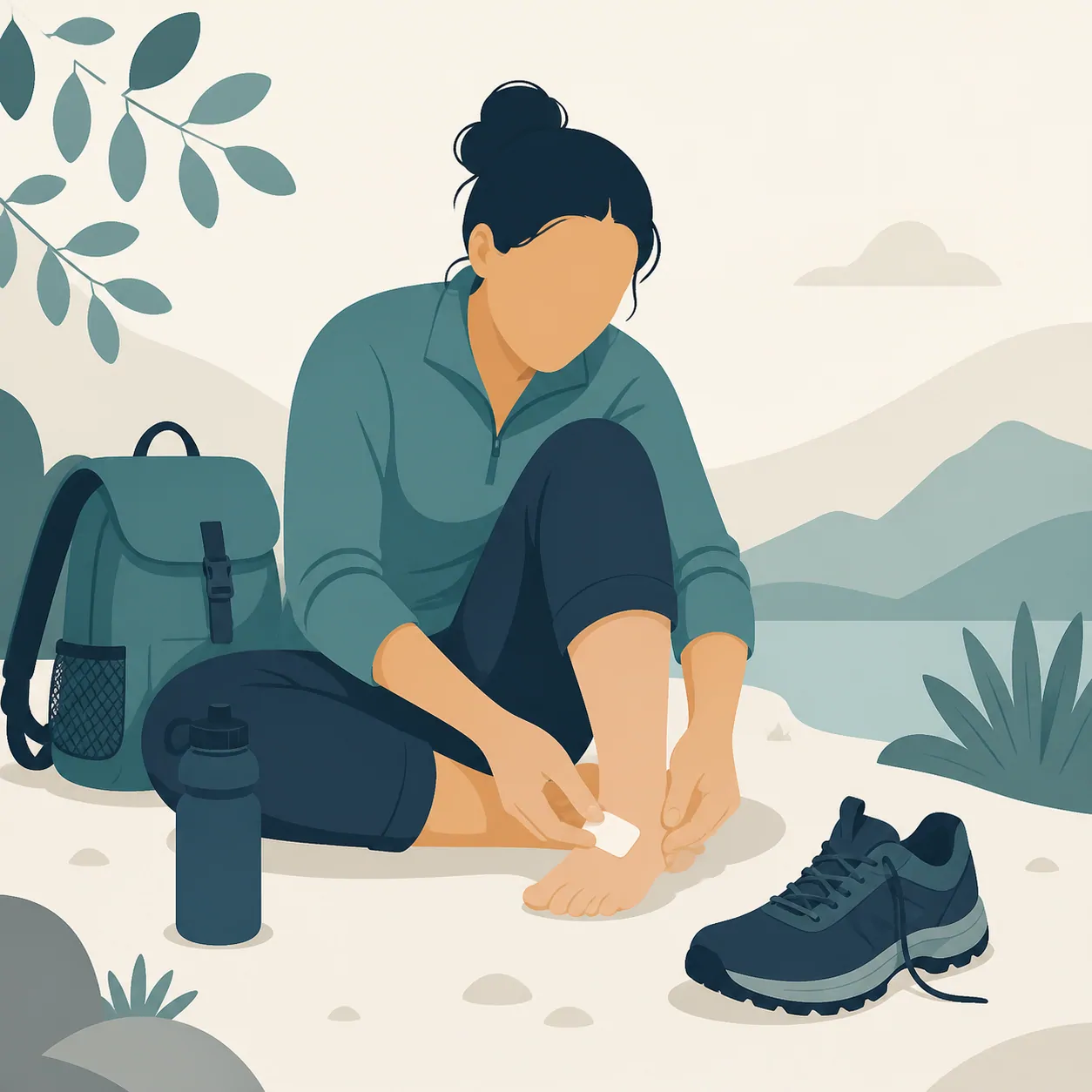
Grasp the exposed end with clean tweezers. Pull slowly and steadily in the same direction it entered the skin. Do not twist, squeeze or snap the material. If it slides out whole, rinse the area with clean running water or saline, pat surrounding skin dry and cover with a small clean dressing if it may rub or get dirty.
Look again after removal. If the splinter appears incomplete, if there is a dark point remaining or if pain continues as though something is still present, do not keep digging. Seek advice from a pharmacist, GP, urgent care service or other suitable clinician. A small retained fragment can lead to inflammation or infection and may need proper removal.
It is normal for a superficial removal site to be mildly tender. It should not become increasingly painful, red, hot or swollen. Keep the dressing clean and dry, and change it if wet or dirty.
Why digging is a bad idea
People are often tempted to make a tiny “opening” with a needle. In real life, this can quickly become a deeper puncture, particularly on a foot or a moving finger. It is hard to judge depth, clean a tool adequately at home or know whether a fragment has split. The risk is greater when the material is glass, a thorn, wood, rusty metal or something that came from dirty ground.
If you have tried once and cannot remove the splinter easily, stop. More attempts usually mean more trauma, not better first aid. Keep the area clean, cover it lightly and seek clinical advice. Tell the clinician what the material was, when the injury happened and whether the wound was exposed to soil, water or animal waste.
Wounds, infection and tetanus
Any splinter creates a small break in the skin. Watch for increasing redness, warmth, swelling, pus, throbbing pain, fever, red streaks or feeling unwell. These signs need medical advice. Seek help sooner if the person has diabetes, reduced immunity or poor circulation, because foot and hand wounds can deteriorate more quickly.
Tetanus is a serious illness caused by bacteria that can enter through a wound. Keeping vaccinations up to date is the best protection. If the injury is dirty, deep or contaminated, or you are unsure when the person last received a tetanus-containing vaccine, ask a clinician whether a booster or other care is needed. Do not delay urgent care while searching for an immunisation record.
An infected wound is not treated by simply putting a stronger product on it. A health professional may need to check for retained foreign material, clean the area or recommend appropriate treatment. Avoid taking leftover antibiotics or another person’s medicine.
Special situations
Splinter in the eye: do not rub the eye or try to remove the object. Cover it loosely without pressure and seek urgent medical assessment. Eye injuries can be serious even when the object seems small.
Splinter under a nail: this can be painful and hard to assess. Do not cut the nail back aggressively or push a tool underneath it. Seek advice, especially if the fragment is deep, dark, very painful or associated with bleeding.
Splinter in the foot: reduce weight bearing and check footwear. Splinters through thin footwear, wounds caused by a nail or contamination from dirt or water deserve early medical advice. Do not continue a long walk simply because the pain is tolerable.
A child with a splinter: check whether the fragment is fully visible. A single calm attempt with clean tweezers may be reasonable only when it can be removed without digging. If the child is distressed, the fragment is deep or the site is awkward, a clinician can help safely.
When to call emergency services
Splinters are rarely an ambulance problem on their own. Call Triple Zero (000) when there is a serious injury, severe bleeding, collapse, breathing difficulty, a major eye injury or a rapidly worsening condition. For non-life-threatening questions about a wound, a pharmacist, GP, local urgent service or Healthdirect can help direct care. In Australia, Healthdirect’s nurse advice line is available on 1800 022 222.
Give clear information: the type of material, where it entered, whether any remains, when it happened, what you have tried and any medical conditions or medicines that affect healing or bleeding. This saves time and helps the clinician choose appropriate care.
Prevention at home and work
Wear suitable gloves and closed footwear for gardening, timber work, renovations and handling rough materials. Inspect decks, fences, tools and children’s play equipment for splintered wood. Store broken glass safely and sweep up with appropriate equipment rather than bare hands.
At work, report damaged handles, pallets, benches or protective equipment that repeatedly produces splinters. Good housekeeping and equipment maintenance are preventative controls, not merely first-aid issues. A well-stocked kit should include disposable gloves, clean dressings, saline and good lighting; it should not encourage untrained invasive treatment.
Related glossary terms
Sources reviewed
- Healthdirect: wounds, cuts and grazes
- Healthdirect: first aid basics
- Australian Immunisation Handbook: tetanus-prone wounds
- Healthdirect: how to find appropriate care
Reviewed against Australian first aid and emergency guidance by the First Aid Glossary Editorial Team. This article is general information and does not replace emergency services, professional medical advice or hands-on first aid training.